The 'Sleepy Train' Mystery: Is High CO2 Fueling Your Nap?
A viral video shows carbon dioxide levels spiking on Chinese high-speed rail. Experts say it's safe, but your drowsiness might not be just in your head.
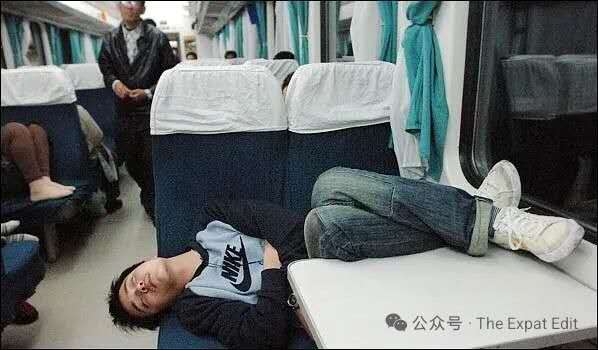
We have all been there. You board the high speed rail, open your laptop to work, and within twenty minutes, you are fighting heavy eyelids. Is it the gentle hum of the tracks, or is it something in the air?
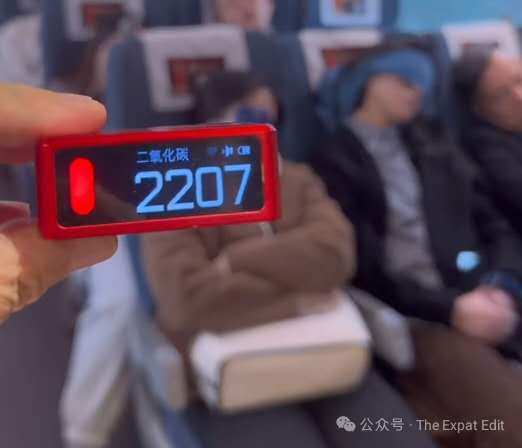
A recent viral video has sparked a heated debate across Chinese social media after a passenger measured carbon dioxide levels in a second class carriage. The device flashed a warning red, and now everyone is asking if the air we breathe on board is making us sleep.
The Viral Measurement
The controversy began when a passenger surnamed Yu, who works in the air inspection industry, brought a professional CO2 monitor onto his trip. He noted that while the car was stationary, levels were around 880 ppm. However, once the train hit cruising speed and passengers settled in, the number climbed rapidly.
In the viral footage, his device displayed a concentration exceeding 2000 ppm. For context, typical outdoor air is around 400 ppm, and indoor spaces usually aim for under 1000 ppm. As the number on the screen rose, Yu observed that most of the carriage had fallen asleep. He suggested that high carbon dioxide levels, which can suppress central nervous system activity, were the direct cause of the collective drowsiness.
Official Explanations
The response from railway authorities and experts was swift. They clarified that comparing a high speed train to a normal office building is apples to oranges. According to Tao Guidong, an expert from CRRC Qingdao Sifang, the standard limit for Chinese passenger trains is actually 2500 ppm. He noted that European standards are even more lenient, allowing up to 5000 ppm.
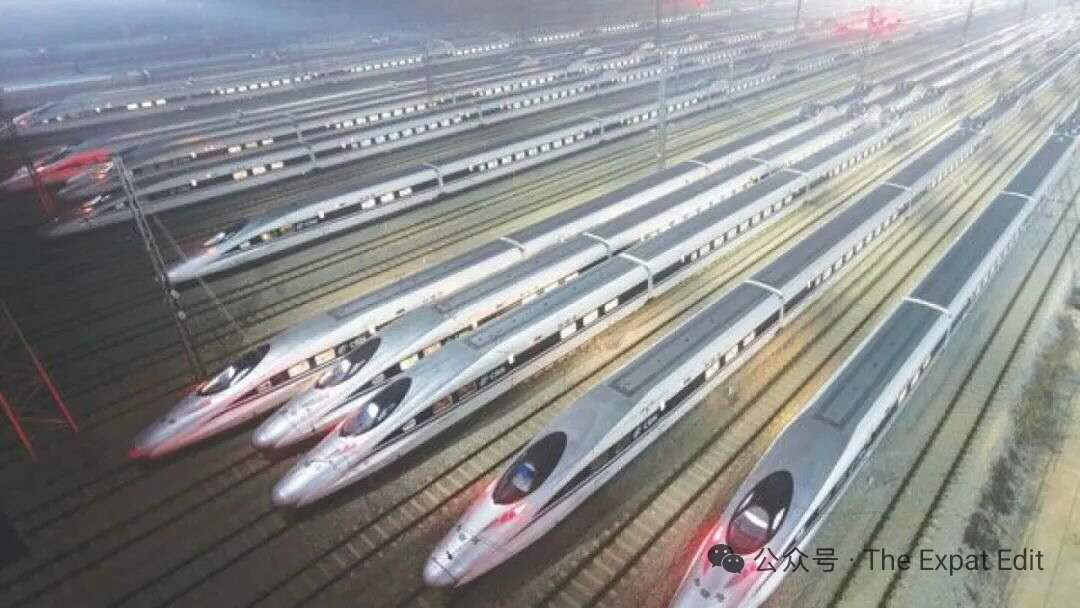
The reason for these spikes is engineering, not negligence. High speed trains are pressurized, airtight vessels. When a train enters a tunnel or a group of tunnels, the fresh air intake valves often close automatically to prevent the sudden pressure change from popping passengers' ears.

Safety vs. Comfort
While 2000 ppm is technically compliant for transport vehicles, it does explain the sluggishness many travelers feel. Concentrations above 1000 ppm can lead to complaints of stuffiness, and levels nearing 2000 ppm are widely associated with fatigue and reduced concentration.
The Verdict
Ultimately, the data suggests that while the air might be stale, it is safe by railway standards. The "sleepy train" phenomenon is likely a mix of the higher CO2 levels, the rhythmic vibration of the carriage, and the monotonous scenery. So, the next time you struggle to keep your eyes open during a business trip, do not blame your lack of coffee. You can simply blame the tunnel ahead.
About The Source
This article was translated and adapted from original reports on Zhihu and CRRC press releases.