
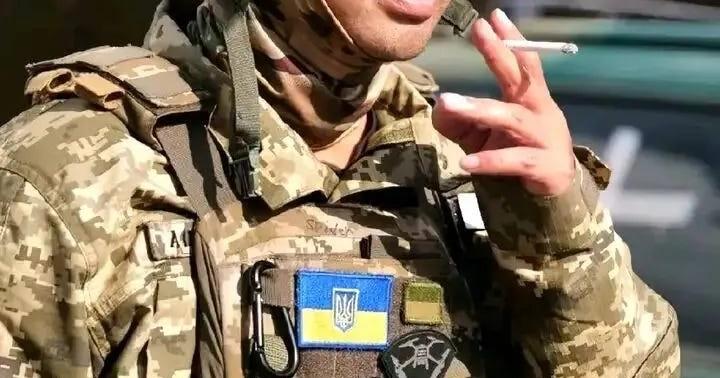
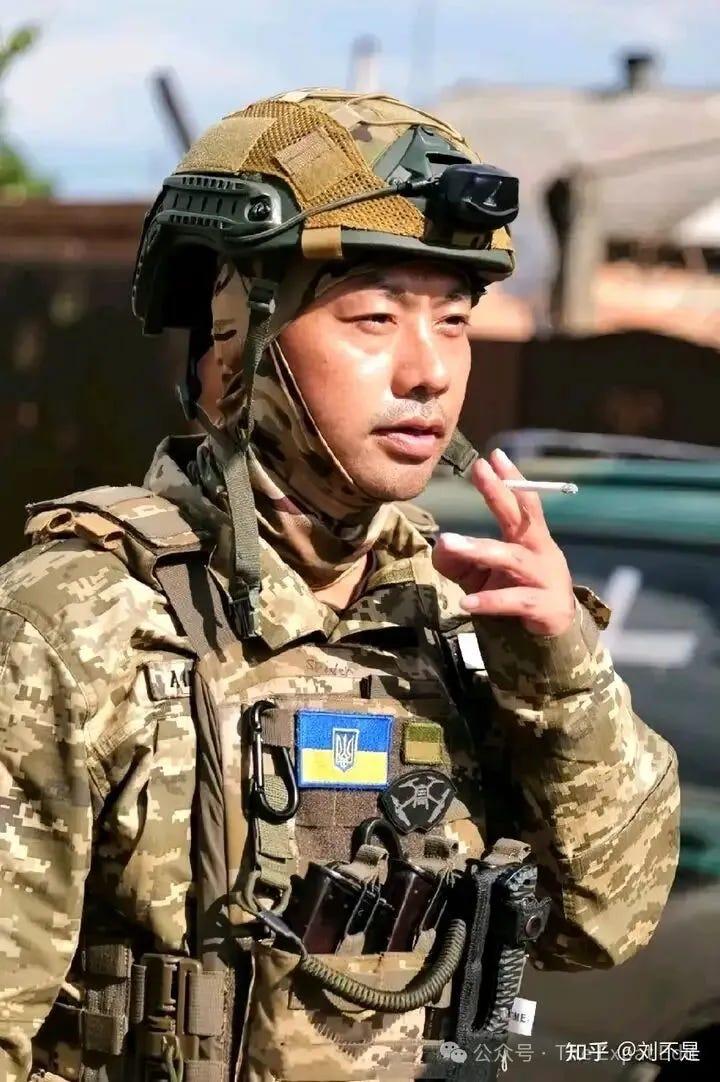
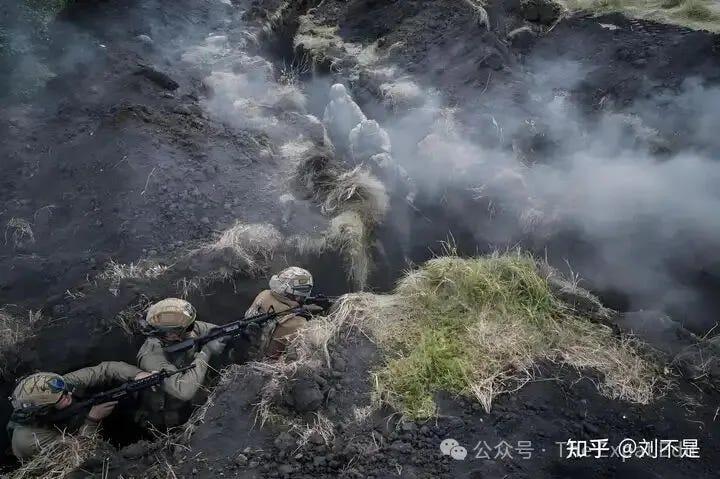
A new report out of Ukraine says a Japanese combat detachment has been formed inside the Ukrainian armed forces and is already fighting Russian troops. On paper, the unit is small. Online, though, the reaction has been huge. Chinese commentators are treating it as more than just another foreign volunteer story. For many, it feels like proof that the Russia Ukraine war is becoming an even broader international testing ground, and that Japan may be inching closer to the front line than its government officially admits.
What We Actually Know
Thanks for reading Silk & Steel! Subscribe for free to receive new posts and support my work.
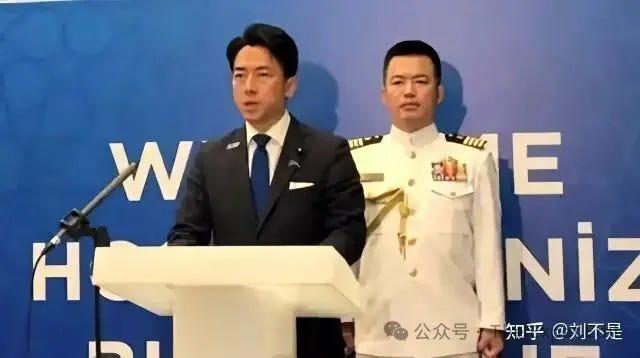
The reporting making the rounds says a Japanese unit has appeared within Ukraine’s forces, with some members reportedly being former Self-Defense Force personnel. Chinese discussions also point back to Tokyo’s earlier confirmation that four active-duty Japanese officers would be sent to a NATO assistance and training mission for Ukraine. That move was already notable because it gave Japan a more direct institutional link to the war effort, even if not a front line combat role.
There are also repeated claims online that the new detachment may number around 70 people, with many on short contracts and relatively high pay. Those figures are circulating widely, but should still be treated with caution. The bigger point is less about the exact headcount and more about the optics. A clearly Japanese-branded fighting group carries far more symbolic weight than a handful of scattered individual volunteers.
Why This Hit a Nerve in China
On Zhihu and other Chinese platforms, the strongest reactions are not really about whether 50 or 70 men can change the battlefield. Most commenters agree they cannot. What matters is the political message. To many Chinese users, this looks like another sign that the war is no longer just about Russia and Ukraine. It is a live arena where outside powers send money, weapons, trainers, intelligence, and increasingly, personnel with real military backgrounds.
Japan is especially sensitive in this conversation because any overseas military role immediately triggers debate about postwar constraints, constitutional limits, and the long shadow of history in East Asia. Once former Japanese military personnel are publicly seen fighting abroad, the discussion quickly shifts from tactics to taboo-breaking. That is why the story has travelled so fast.
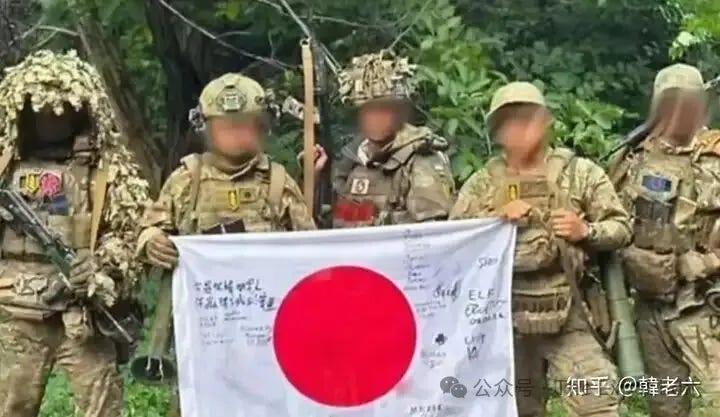
“The battlefield impact may be limited, but the symbolism is not.”
Will It Change the War?
In practical terms, probably not much. A small foreign detachment does not alter the overall balance of a war this large. Even many Chinese commenters who are alarmed by the news admit that the direct battlefield impact is likely marginal. Ukraine has already hosted foreign volunteers, ex-soldiers, trainers, and specialists from many countries in one form or another.
What it could change is perception. Russia may see the development as one more indication that hostile states are using Ukraine as a proxy arena. Japan may see it as a low-cost way to expose former personnel to drone warfare, trench warfare, electronic disruption, and the realities of modern attritional combat. In that sense, the war becomes not just a conflict, but a classroom.
Could Japan Get More Deeply Involved?
A large scale official intervention remains unlikely. Japan has too much to lose by openly sending active forces into a distant war, especially with its own security pressures much closer to home. Tokyo also knows that any direct military deployment would trigger major domestic, regional, and diplomatic consequences.
But deeper involvement through indirect channels is easier to imagine. More retired personnel, more trainers, more technical specialists, and more intelligence coordination would fit the pattern of modern gray-zone participation. It allows a country to gain experience and support partners while avoiding the headline risk of formally entering the war.
That is why this story matters. Not because a small Japanese unit will suddenly turn the tide, but because it hints at the direction of travel. The line between “not involved” and “involved, just unofficially” is getting thinner.
The Bigger Picture
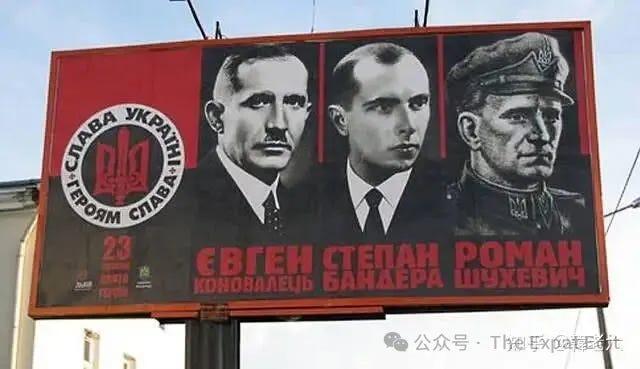
The most grounded takeaway from all this is simple: Ukraine continues to function as an international battlefield laboratory. The appearance of a Japanese detachment does not mean Tokyo is about to launch a mass intervention. It does suggest, however, that countries well beyond Europe are studying this war closely, harvesting lessons from it, and finding ways to get closer without fully crossing the line. For Chinese readers, that is the real story underneath the viral headlines.
Thanks for reading Silk & Steel! Subscribe for free to receive new posts and support my work.
Curated and translated from Zhihu, China's largest Q&A platform.
Newsletter
Subscribe to The Expat Edit
Chinese perspectives on global events, wars, and great power competition. Curated from Zhihu.
Free. No spam. View on Substack →