
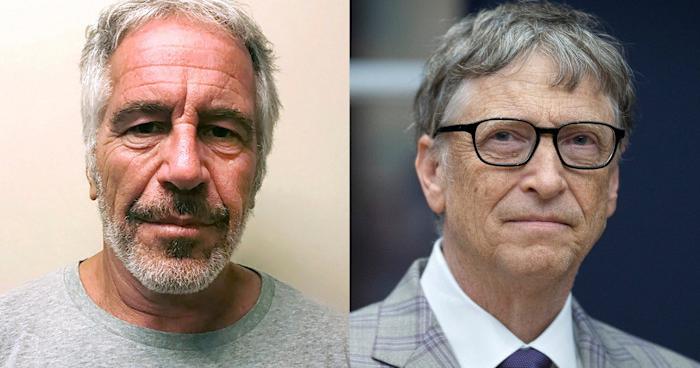
Bill Gates is back in China. It has been over two years since his last visit, and the atmosphere has shifted. On February 11, the billionaire philanthropist appeared in Shanghai to discuss health, agriculture, and development. Yet the conversation quickly turned to a much darker topic that refuses to go away: Jeffrey Epstein. In a rare move, Gates directly addressed the controversy on Chinese soil. He claimed he never met any victims and never visited the infamous island. But as new documents leak and public opinion in the West sours, many are asking if China has become the last safe harbor for his reputation.
The Denial in Shanghai
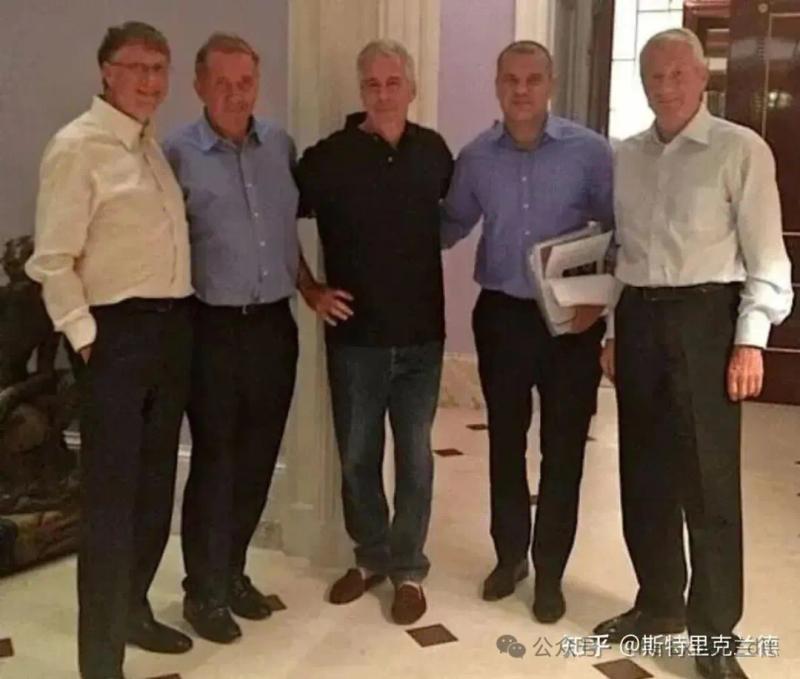
During his visit to the Zhangjiang High-Tech Park, Gates sat down for interviews that touched on his past association with the disgraced financier Jeffrey Epstein. His defense was consistent with previous statements. He admitted to having dinners with Epstein between 2011 and 2014 but insisted the relationship was purely transactional. The goal, according to Gates, was solely to raise funds for global health initiatives.
He stated that Epstein promised to help secure massive funding for the Gates Foundation, a promise that ultimately yielded zero dollars. Gates was emphatic about the limits of their interaction. He told reporters that there is nothing new to add, that he never met the young women victimized by Epstein, and that he never set foot on Little Saint James.
Skepticism on Social Media
While Gates may have hoped for a warm reception, Chinese social media users on platforms like Zhihu have been less than forgiving. The prevailing sentiment is not one of awe but of suspicion. Netizens have pointed out the convenience of his timing. With legal and social pressure mounting in the United States, China represents a friendly environment where his status as an "old friend" grants him a certain level of immunity from aggressive questioning.
One popular commentator noted that Gates seems to be "complaining to a foreign audience" because nobody in the West believes him anymore. Others were more cynical, suggesting that the only reason he is safe here is because his investments and factories are welcome, regardless of his personal baggage. The narrative shifting online is that Gates is no longer just a tech idol. He is viewed by many as a typical member of the global elite trying to scrub his record clean.

“For all the charitable talk, the shadow of the divorce remains the strongest counter-argument to his denials.”
The Paper Trail
The skepticism is fueled by leaked documents that paint a confusing picture of the Gates-Epstein dynamic. While Gates insists the relationship was superficial, emails circulating online suggest a level of familiarity that makes observers uncomfortable. One particularly damaging email from Epstein alludes to a conversation about how to "get rid of poor people as a whole." While likely taken out of context regarding population health or poverty alleviation, the phrasing is jarring enough to fuel conspiracy theories across the internet.
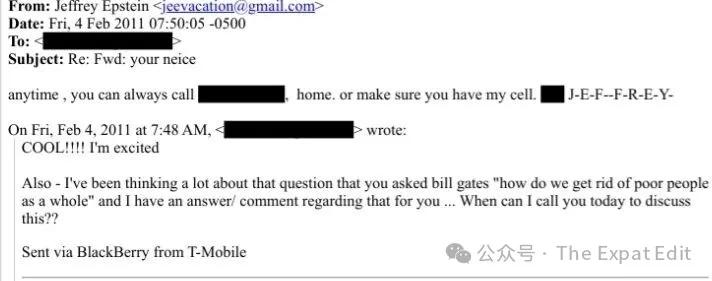
Above: Leaked correspondence has fueled intense speculation about the nature of their private conversations.
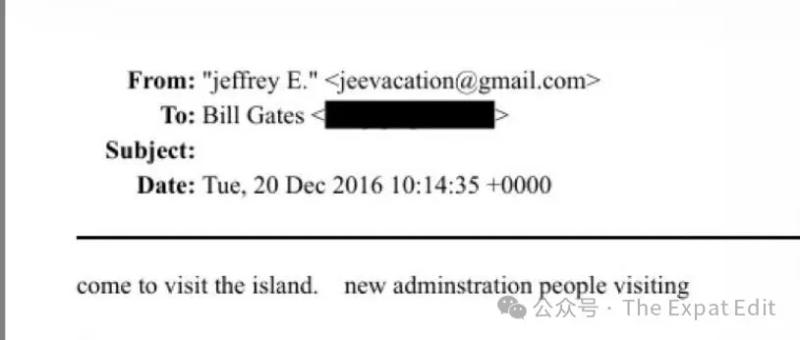
Furthermore, despite Gates' insistence that he never visited the island, other emails show clear invitations being extended. The contradiction between his public statements and the private persistence of Epstein is what keeps the story alive. Melinda French Gates famously stated that she made it clear she did not like Epstein after meeting him once, describing him as "evil personified." Her decision to leave the marriage partially due to this connection serves as the strongest validation for those who doubt Bill's version of events.
A Refuge in the East
The timing of this visit is significant. In the United States, the Epstein client list and associated documents are a ticking time bomb for anyone named in them. Reputation management in the West has become a losing battle for Gates. However, in China, he retains the status of an "old friend" who has contributed significantly to public health and technology. The Chinese government and partners are more interested in his agricultural technology and disease prevention funding than in American tabloid scandals.
This creates a unique dynamic where Gates can continue his work and receive accolades in Shanghai that would be overshadowed by protests or difficult questions in New York or London. He is not just visiting to inspect projects. He is visiting to secure a legacy that is under siege at home.
Ultimately, Gates' "Action Creates Hope" tour might be successful in strengthening ties with Chinese institutions, but it has failed to silence the critics regarding his personal judgment. As he flies back, the question remains whether any amount of philanthropy can fully erase the stain of his association with Epstein. For now, China offers a polite audience, but even here, the internet never forgets.
Curated and translated from Zhihu, China's largest Q&A platform.
Newsletter
Subscribe to The Expat Edit
Chinese perspectives on global events, wars, and great power competition. Curated from Zhihu.
Free. No spam. View on Substack →