
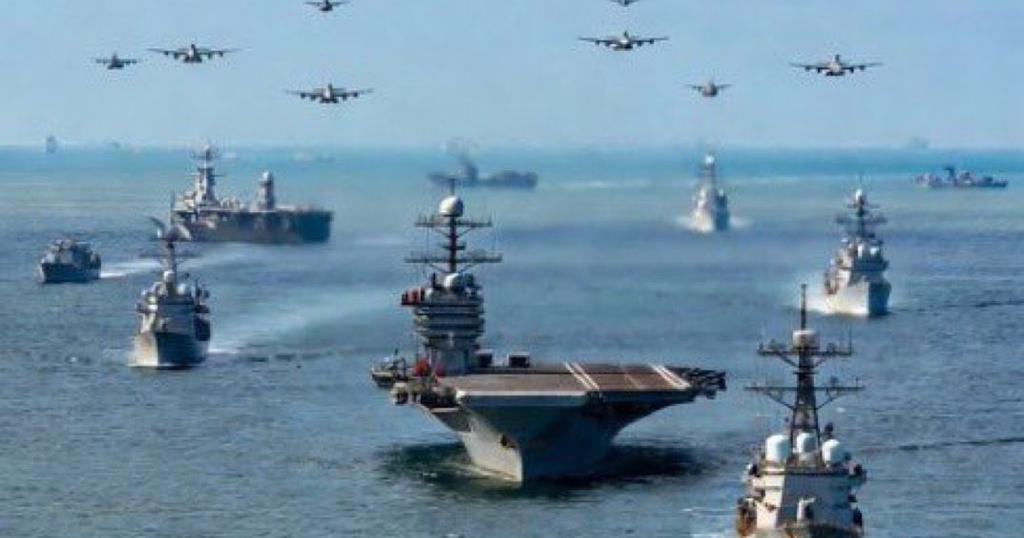
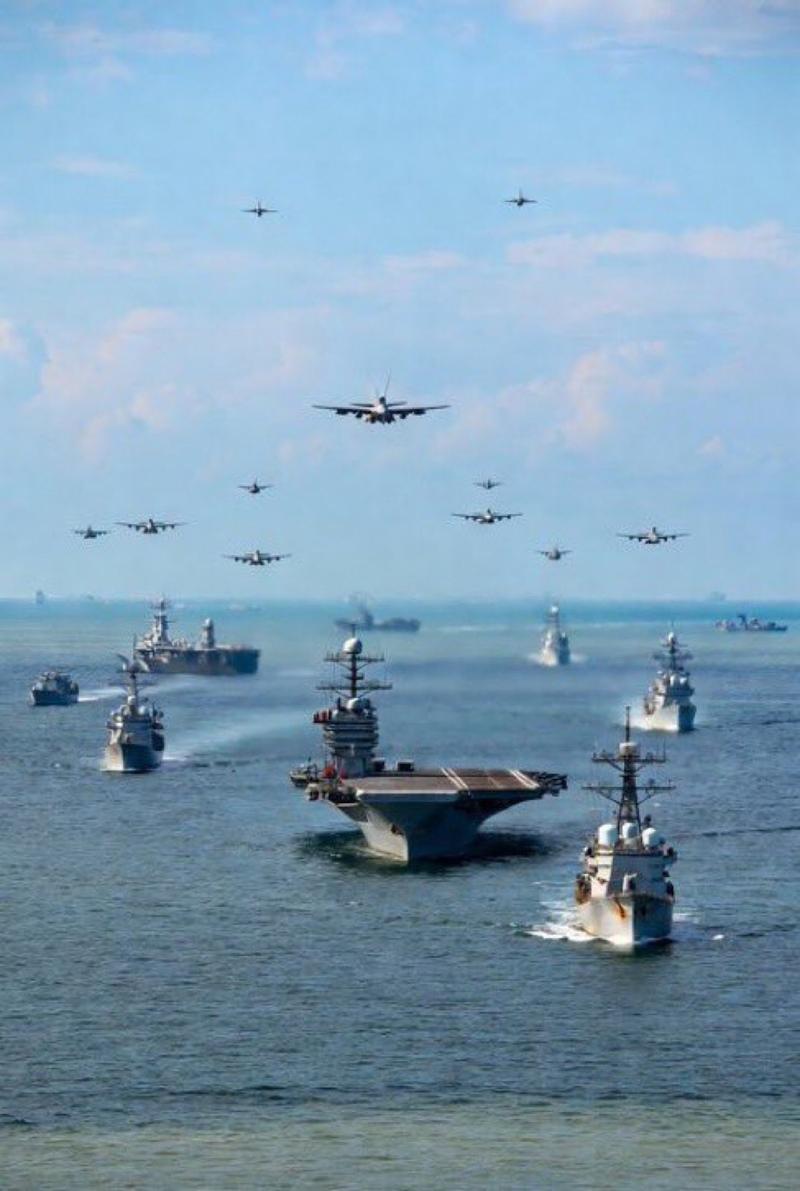
In the quiet hours before dawn, when the geopolitical map of the Middle East is viewed without the noise of the news cycle, a terrifying prospect emerges. It is the image of an American aircraft carrier, the consummate symbol of imperial power, smoking and listing in the Persian Gulf. Whether sunk or merely incapacitated, the removal of such an asset would alter the global balance of power for years. Yet, despite the immense danger of bases scattered across hostile territory, Washington seems inexorably drawn toward a confrontation that offers little strategic benefit to the American homeland.
To understand why the United States teeters on the brink of a war with Iran—a conflict that defies conventional national interest—one must look beyond standard explanations of diplomacy or even simple corruption. While whispers circulate regarding compromised leaders, sealed FBI documents, or the shadowy influence of figures like Jared Kushner, these explanations, while salacious, perhaps miss the forest for the trees. The reality is likely far more systemic and, in a sense, more impressive in its execution.
We often mistake political influence for a game of mere persuasion or financial transaction. We imagine lobbyists handing over checks to secure tax carve-outs. However, the influence exerted by the advocates of a "Greater Israel" operates on a different plane entirely. It is best understood not as politics, but as a military operation.
Israel is, by necessity and design, a hyper-militarized society. It views its existence as a perpetual state of war. When a nation operates with a siege mentality, it applies military doctrine to every obstacle it faces. If the objective is the security and expansion of the state, and the only path to that objective is through the United States, then the American political system becomes a theater of operations. The goal is not merely to have friends in Washington; it is to occupy the key terrain.
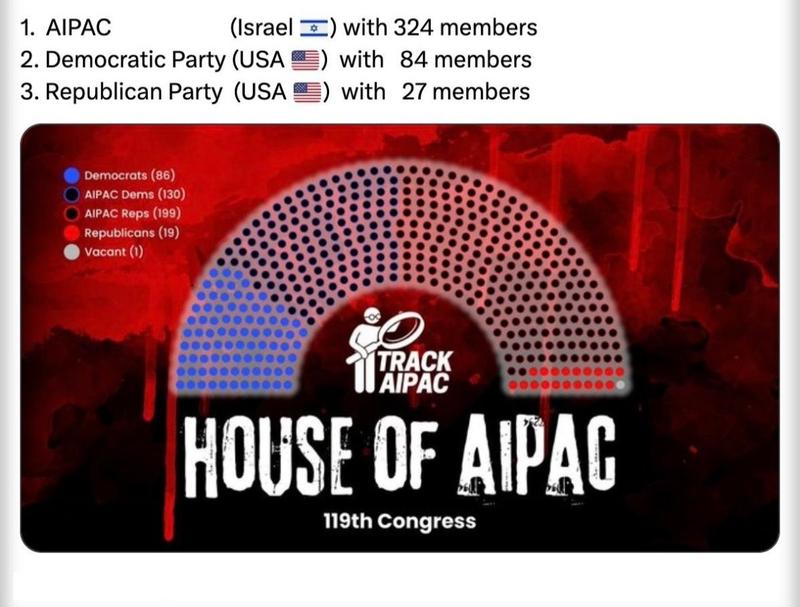
Political science has long understood that a highly organized minority can dominate a disorganized majority. If a determined two percent of the population possesses the resources, the elite connections, and the singular focus, they can dictate policy to the indifferent eighty percent. This is the success of the Zionist project in America. It has treated the occupation of positions of power within the U.S. government with the same strategic rigor one would apply to seizing a hill in battle. The result is a dual loyalty where the emotional and strategic commitment to Jerusalem often supersedes the prudent caution required in Washington.
It would be a mistake, however, to view this solely as a foreign imposition. The roots of this entanglement are also deeply domestic. Christian Zionism, often assumed to be a tool sharpened by Jewish interests, is in fact an organic phenomenon with its own distinct lineage. Emerging in the 19th century, parallel to but independent of Theodor Herzl’s secular movement, it has grown into a formidable political force. These "heretical" interpretations of theology provide the domestic infantry that supports the elite maneuvering in the halls of Congress.
Yet, despite this entrenched power, there is a palpable sense of panic emanating from Tel Aviv. The hubris that defined the last few decades—the belief that American support was an immutable law of nature—has collided with a shifting reality.
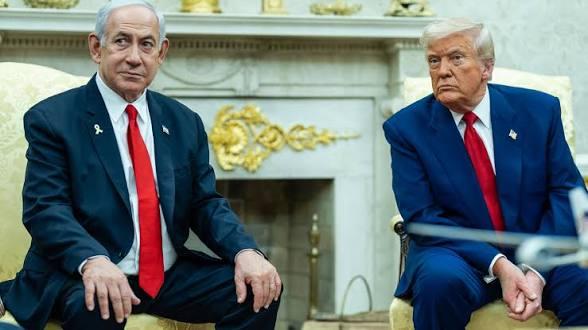
For years, Israel enjoyed a geopolitical paradise. It secured billions in funding, maintained a high standard of living with universal services, and expanded its footprint, all while managing a public image that kept the Western world largely sympathetic. They had, effectively, "pulled it off." But the response to October 7th overplayed this hand. The visibility of the devastation in Gaza, streamed in high definition to a generation under fifty, has shattered the curated image of the state. The silence has been broken, and the curve of public opinion is trending downward.
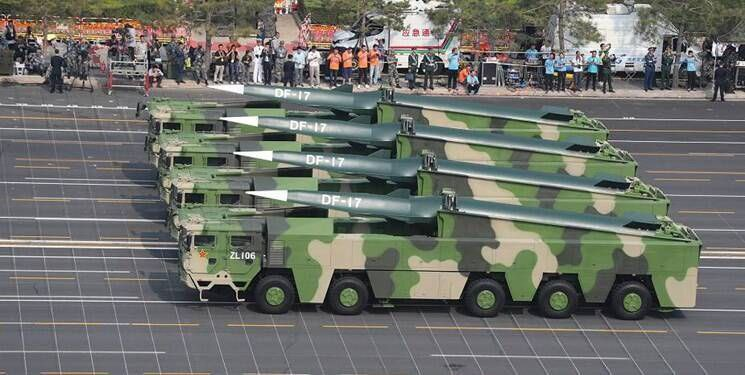
This shifting sentiment coincides with a closing military window. Israeli planners are acutely aware that Iran’s hard power is ascending. With the potential acquisition of advanced Russian & Chinese systems, the window for a decisive strike is narrowing. In perhaps five years, or even sooner, the cost of attacking Tehran could be the obliteration of Tel Aviv by conventional missile barrages that no Iron Dome can fully repel.
This convergence of anxiety creates a dangerous moment. Faced with a closing military window abroad and a deteriorating public relations front in the United States—what Prime Minister Netanyahu has termed the "Eighth Front"—the drive to instigate a war becomes desperate. The calculation is cold and terrifying: push the United States into the conflict now, while the political structures are still pliable and the military disparity still exists.
The tragedy of the situation is the sheer waste of it. Israel had achieved a status quo that most nations dream of, only to jeopardize it through a maximalist overreach that has alienated its benefactors. Now, they are gambling that the United States will once again step into the breach, risking its fleets and its future to secure a vision of the Middle East that is rapidly becoming indefensible.
Listen to CATR on:
Newsletter
Subscribe to Conversations Among the Ruins
Long-form geopolitics and the decline of the unipolar world order. New episodes straight to your inbox.
Free. No spam. View on Substack →
Reader-funded
This is independent, long-form work.
Conversations Among the Ruins is written, not repackaged, and it stays free because readers choose to fund it. If it is worth your time, a paid subscription or a one-off tip keeps it going.
Become a supporter →