
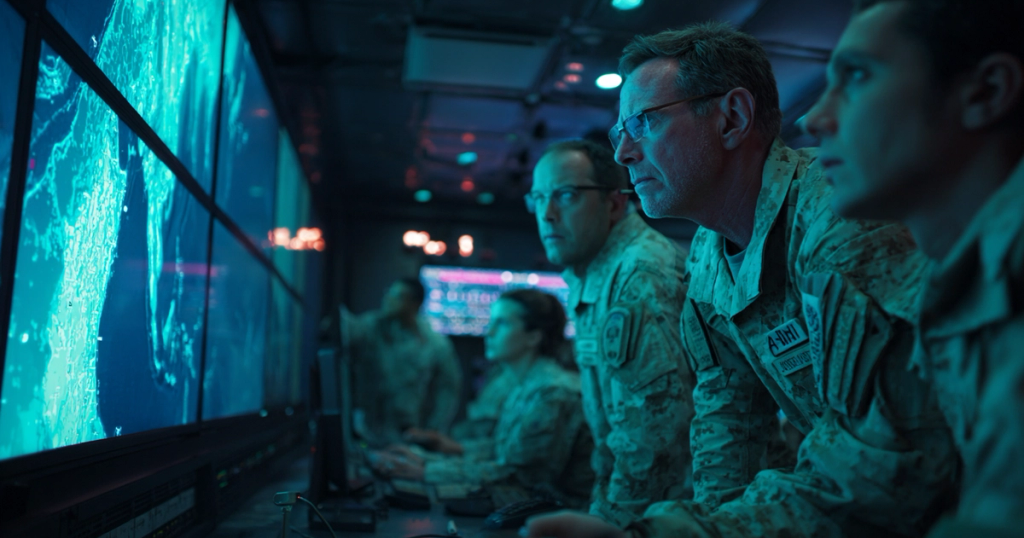
In a functioning republic, the sudden government disclosure of extraterrestrial phenomena would be a moment of epochal significance. It would command the attention of the scientific community, the religious establishment, and the collective human consciousness. Yet, when such narratives are floated by the Pentagon in the current political climate, they feel less like a revelation and more like "slop." They are a crude distraction fed to a populace that the political class hopes is too mesmerized to notice the walls closing in on the administration.
The timing is too convenient to be coincidental. The White House is currently beset by a convergence of crises that no amount of spin can neutralize. The Republican party faces a potential electoral wipeout in the upcoming midterms, with polling data suggesting a double-digit surge for the opposition. This is not driven by a sudden love affair with the Democrats, who remain broadly unpopular, but by a visceral recoil from the incumbent leadership.
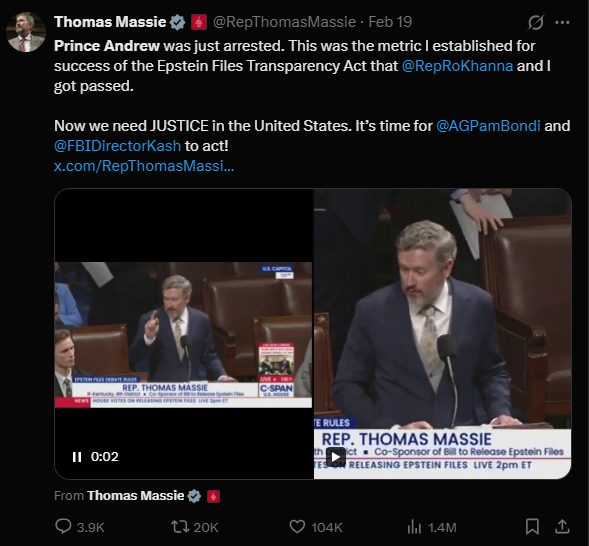
More dangerously, the specter of the Jeffrey Epstein files continues to haunt the corridors of power. The "Epstein Class"—a moniker that fittingly describes an elite strata insulated by wealth and compromised by depravity—is under siege. With the arrest of high-profile figures in the UK, the pressure is mounting for American institutions to follow suit. The revelation that Israeli intelligence assets may have installed surveillance systems in Epstein’s properties only deepens the unease. It suggests that the blackmail network was not merely the playground of a deviant billionaire but a geopolitical tool.
Faced with these domestic fires, the administration appears to be reaching for the ultimate fire extinguisher: war.
We are witnessing a President who does not play five-dimensional chess. He arguably does not even play checkers. He acts on impulse, shooting from the hip, driven by the frantic need to change the news cycle. The escalating rhetoric against Iran bears all the hallmarks of a political "Hail Mary." It is a reckless gamble that a wartime presidency can suspend the normal rules of political gravity, consolidate executive power, and perhaps delay the inevitable reckoning of the ballot box and the subpoena.
This march toward conflict is entirely a war of choice. There is no Pearl Harbor here. There is no imminent threat to the American homeland. The justifications being floated—ballistic missile ranges, the protection of regional proxies—are thinly veiled alignments with Israeli, not American, security interests.
Prime Minister Netanyahu, much like the American executive, is a leader cornered by his own failures. The security collapse of October 7 and the subsequent moral and reputational disaster of the campaign in Gaza have left him vulnerable. For both leaders, a regional war offers a seductive, if horrific, escape route. It is a chance to enforce unity through fear.
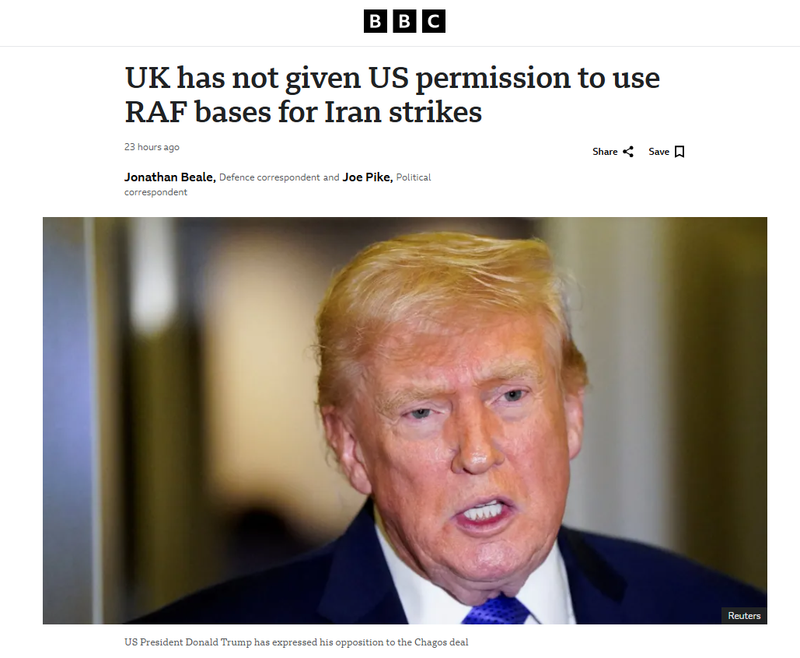
However, the geopolitical landscape has shifted. The American military machine, despite its trillion-dollar budget, is not the undisputed hegemon it once was. The hesitation of the United Kingdom to offer full-throated support for strikes on Iran is a telling fracture in the "Special Relationship." When London, usually the most eager junior partner in American military adventures, begins to cite international law and deny base access, it signals a profound crisis of confidence. They see what Washington refuses to see: this war has not been thought through.
The risks are existential. A conflict with Iran would not be a made-for-TV punitive expedition. It would be a grinding war of attrition that could exhaust American stockpiles, leaving nothing for other theaters like Ukraine. Paradoxically, this war could serve as the catalyst for the end of US-led Western hegemony. It could accelerate the transition to a multipolar world, not through the gentle decline of diplomacy, but through the violent shock of military overreach.
There is a tragic irony in the apathy of the American public. While the world watches in horror at the starvation in Gaza and the machinations in the Persian Gulf, the domestic population remains largely disengaged, inoculated by distance and media fragmentation. It may take a shock to the system—a collapse of the dollar, the cancellation of international sporting events, or the return of flag-draped coffins—to pierce the veil of indifference.
Until then, we are left with the absurdity of the moment. The government offers us aliens while it prepares to offer our soldiers to a foreign war. It is a spectacle of decline, managed by a political class that would rather burn down the region than face the consequences of its own corruption.
Listen to CATR on:
Newsletter
Subscribe to Conversations Among the Ruins
Long-form geopolitics and the decline of the unipolar world order. New episodes straight to your inbox.
Free. No spam. View on Substack →
Reader-funded
This is independent, long-form work.
Conversations Among the Ruins is written, not repackaged, and it stays free because readers choose to fund it. If it is worth your time, a paid subscription or a one-off tip keeps it going.
Become a supporter →