
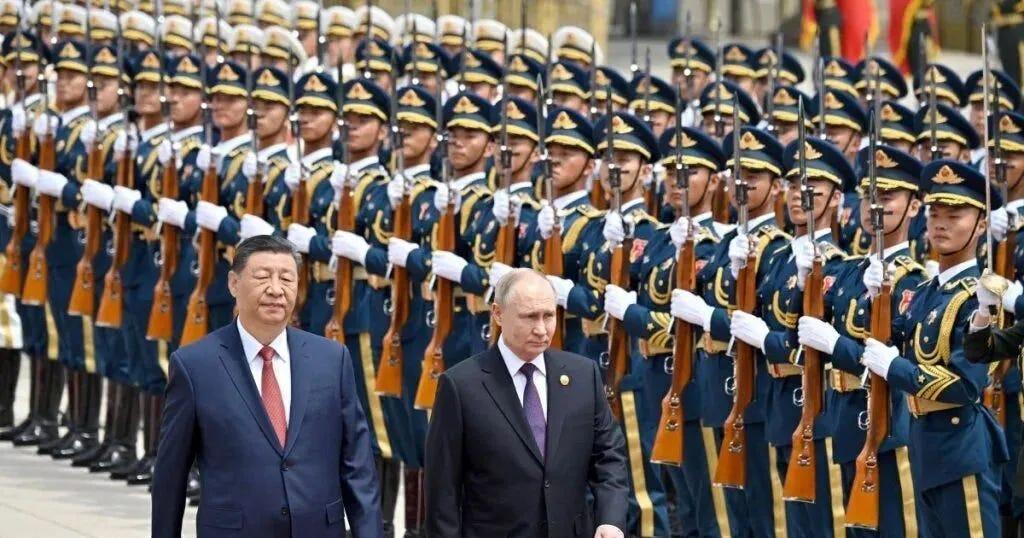
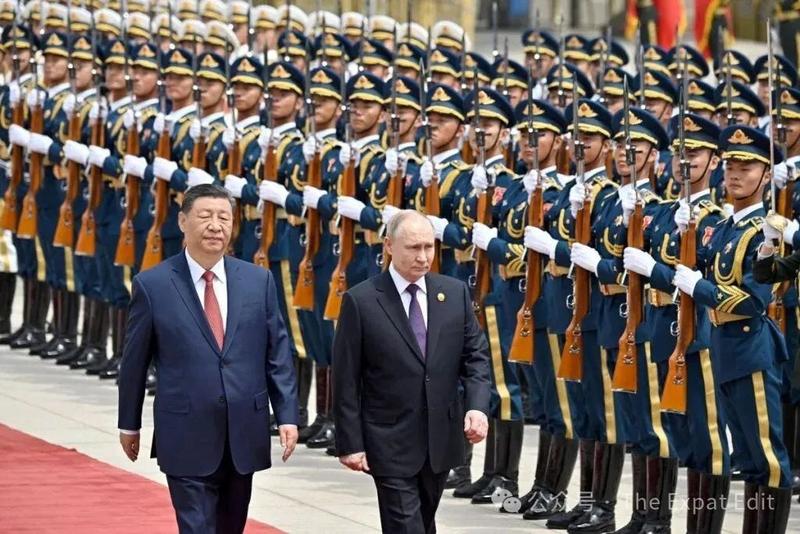
China has passed a revised National Defense Mobilization Law, set to take effect on October 1, 2026, and it is already triggering huge debate online. On Zhihu, many of the hottest comments zeroed in on three things: who can be mobilized, what civilian property can be taken, and how information could be controlled during a mobilization period. The viral takes are dramatic, but the real story is a little more technical and a lot more important.
Why This Law Is Suddenly Everywhere
Thanks for reading Silk & Steel! Subscribe for free to receive new posts and support my work.
Xinhua’s summary was dry and procedural. The law was revised, approved by the Standing Committee of the National People’s Congress on August 28, and will replace the older framework with a broader and more detailed one. But online discussion quickly took off because readers noticed some very visible changes in the wording.
The biggest reason for the buzz is that the revised law seems to move from a narrower military reserve model to a more comprehensive national mobilization model. In plain English, it is less about just troops and more about people, logistics, infrastructure, data, transport, production capacity, and civilian resources in a crisis.
The Change People Are Watching Most Closely
The single most discussed revision is this: after the state decides to implement national defense mobilization, county-level governments and above may legally carry out both requisition and expropriation of civilian resources if stockpiled materials cannot meet mobilization needs.
That distinction matters. Requisition usually means temporary use, with the expectation of return. Expropriation means ownership can transfer. That is why so many Chinese netizens reacted strongly. The revised text also explicitly expands the definition of civilian resources to include transportation vehicles, not just facilities, equipment, places, and other materials.
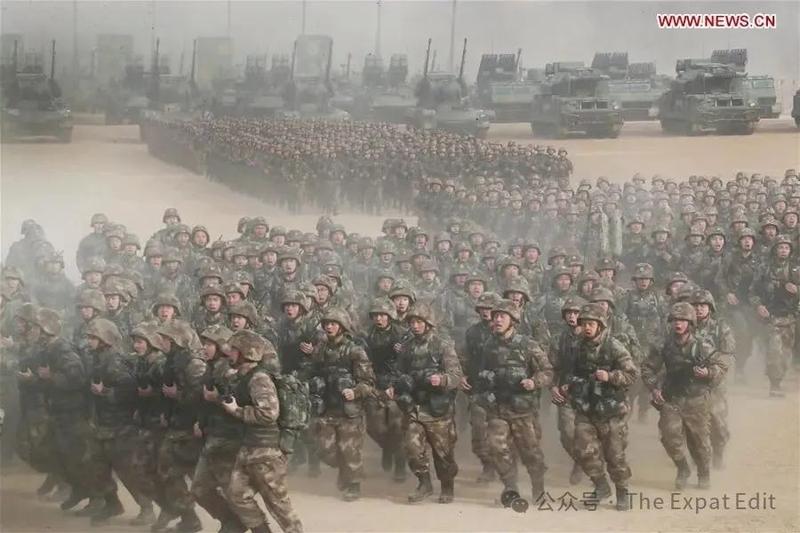
To be clear, the law also says compensation should be fair and reasonable. That is an important restraint built into the text. Still, many online commenters are focused less on the compensation wording and more on the fact that the legal tool now exists in black and white.
“The real shift is not just military readiness. It is the legal codifying of how civilian society plugs into national defense.”
Who Could Be Pulled Into Defense Duties?
Another line getting a lot of attention is the age range for national defense service obligations. The revised law states that men aged 18 to 60 and women aged 18 to 55 can be obligated to undertake national defense service according to law after mobilization is implemented.
That does not mean mass conscription is about to happen tomorrow. It does mean the law is spelling out the civilian manpower pool far more clearly than many people expected. The wording also shifts from the narrower category of “reserve personnel” to the broader category of “reserve manpower,” which gives the state more flexibility on paper.
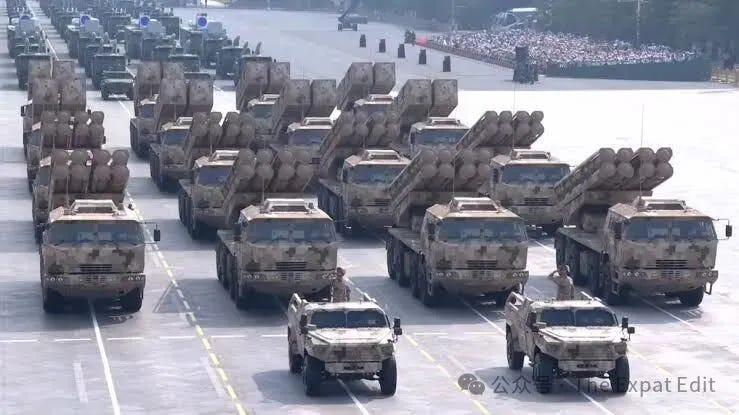
It Is Also About Tech, Data, and Industry
One underreported part of the revision is that it updates the law for a much more modern style of conflict. The new text highlights advanced technology, emerging domains, and support for defense related research, production, repairs, software, and data. This is one reason some legal analysts see the law less as a war signal and more as a system upgrade.
In other words, this is not just about trucks, factories, and uniforms. It is also about networks, communications, digital systems, and the ability to switch parts of the civilian economy into defense support mode quickly if needed.
Does This Mean China Thinks War Is Coming?
Not necessarily. Some of the more sober legal commentary in China points out that several revised phrases are actually catch-up edits to match newer laws, newer institutions, and years of military reform. One widely discussed phrase, “development interests,” sounds alarming to many readers, but it is not entirely new in China’s legal and security vocabulary.
The better way to read this is that Beijing wants a more integrated legal basis for crisis response in a world it sees as more dangerous, more technologically complex, and more vulnerable to disruption. That still has major implications, but it is different from saying an immediate conflict is around the corner.

Why Ordinary People Are Uneasy
The strongest public reaction is not really about legal drafting. It is about trust. Many commenters are less worried about what the law literally says than about how broadly key terms could be interpreted in practice. Words like “development interests,” “defense needs,” and “special measures” leave room for wide official discretion, and that is where anxiety sets in.
For expats and China watchers, this matters because it shows where elite legal design and public sentiment diverge. Officials present the revision as a modernization and clarification effort. A lot of online readers see it as a reminder that in a serious national emergency, the state expects access not only to the military sphere, but also to society at large.
Bottom line: the revised law does not mean China is entering wartime tomorrow. But it does make one thing clearer than before. If a mobilization is declared, the state will have a more explicit legal framework to draw on people, property, transport, industry, and information far beyond the barracks.
Thanks for reading Silk & Steel! Subscribe for free to receive new posts and support my work.
Curated and translated from Zhihu, China's largest Q&A platform.
Newsletter
Subscribe to The Expat Edit
Chinese perspectives on global events, wars, and great power competition. Curated from Zhihu.
Free. No spam. View on Substack →