
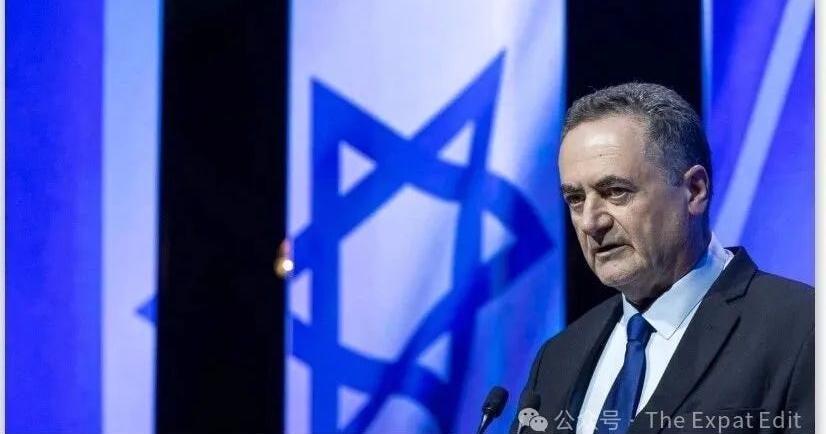
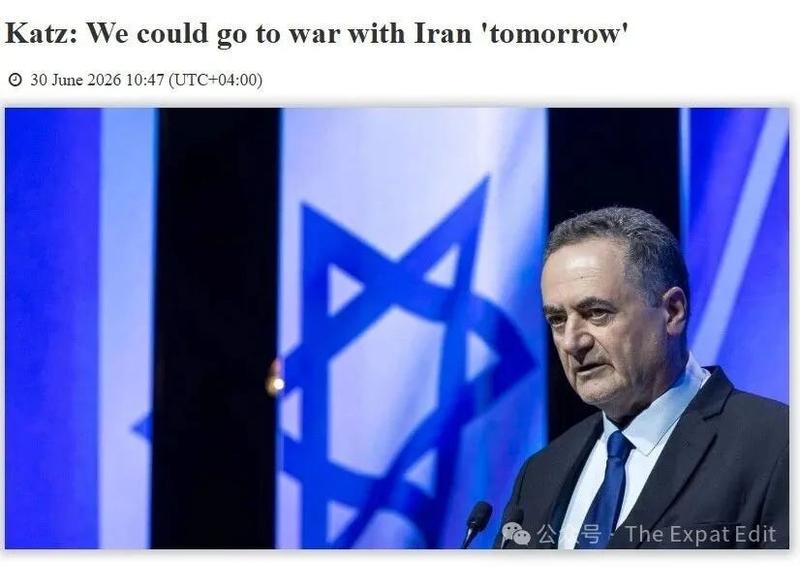
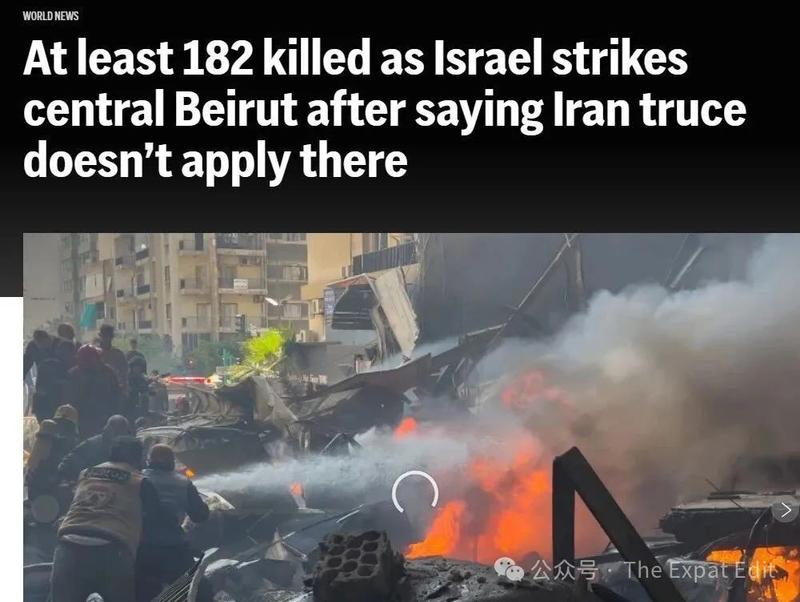
Israel’s defense minister has warned that conflict with Iran could restart at any moment, while also insisting Israeli forces will keep a long term military presence in southern Lebanon. The comments lit up Chinese social media because they point to something bigger than one headline. This is not just about Iran. It is about Israel trying to shape the next phase of the region on multiple fronts at once, while the United States appears to prefer pressure plus negotiation.
What Israel Actually Said
According to Israeli statements carried by Chinese media, Defense Minister Israel Katz said war with Iran could flare up again very quickly. He reportedly laid out two possible triggers. One would be a breakdown in US Iran diplomacy. The other would be a direct Iranian attack on Israel. He also said the Israeli military was preparing for an independent operation against Iran, meaning action led by Israel itself rather than one openly run by outside powers.
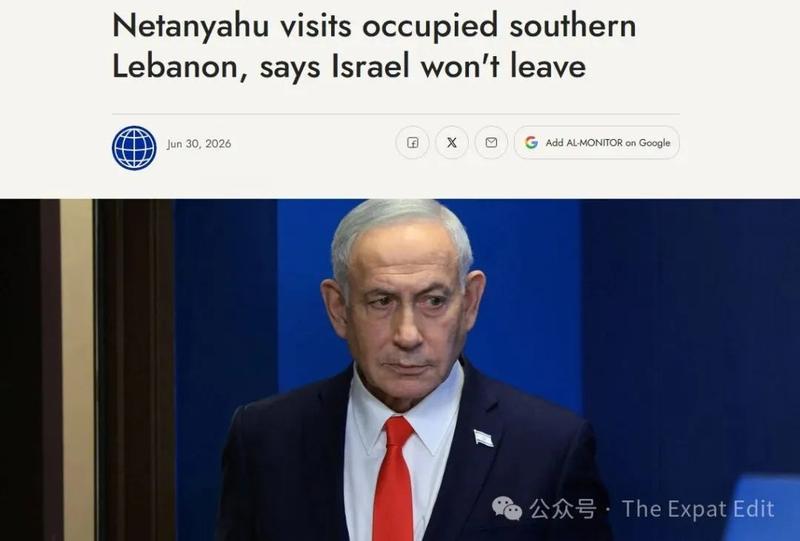
On Lebanon, Katz was even more blunt. He said Israeli troops would not withdraw before Hezbollah is disarmed, and he described large parts of the southern “security zone” as heavily devastated. That matters because it suggests Israel is not treating southern Lebanon as a temporary battlefield anymore. It increasingly looks like a long term pressure zone.
Why This Matters Now
The timing is the real story. If Washington still wants some form of managed contact or limited arrangement with Tehran, Israeli threats raise the cost of those talks. Even without firing a shot, Israel gains leverage by reminding everyone that diplomacy can be interrupted. In that sense, the military threat is also a political instrument.
Chinese online commentary picked up on this contradiction quickly. Many users argued that Washington wants negotiation while Israel wants permanent escalation pressure. That may be too neat, but the gap in priorities is real. The US wants to avoid a massive regional war that spikes oil prices and drags American assets deeper into the fight. Israel, by contrast, appears determined to keep military freedom of action on every active front.
“The real signal is not that war is guaranteed. It is that Israel wants the option of war to stay permanently on the table.”
Can Israel Really Act “Independently”?
This is where the rhetoric gets shakier. A lot of the Zhihu discussion focused on a basic point: “independent” does not necessarily mean truly alone. Israel may be able to choose the moment of attack by itself, but sustaining a serious campaign against Iran is another matter. Long range strike operations, air defense replenishment, munitions supply, maintenance, intelligence, and strategic warning are all areas where US support remains deeply important.
In other words, Israel can act with political initiative while still relying on American systems in the background. That makes the phrase “independent action” partly true and partly theatrical. It is credible as a warning. It is less credible as a picture of complete military self reliance.
Lebanon May Be the Bigger Immediate Story
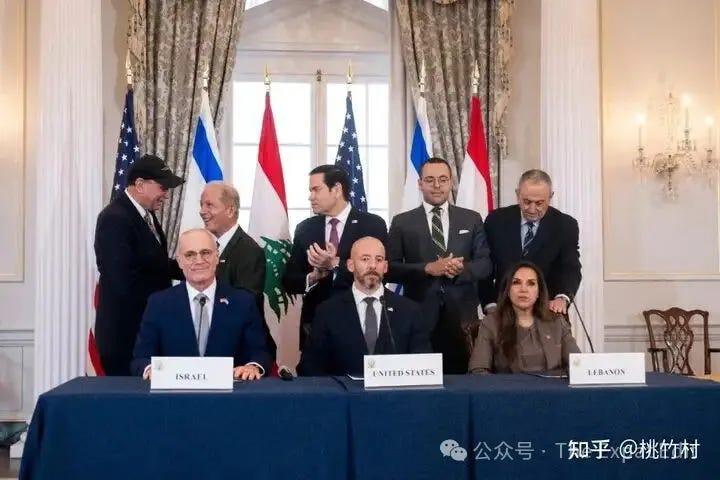
The Iran headline is dramatic, but the Lebanon line may have more immediate consequences. If Israel is openly committing to a long military presence in the south, then the border is unlikely to stabilize soon. That raises the chance of recurring strikes, displacement, and a slow moving normalization of permanent insecurity for civilians in the area.
It also changes the regional message. Israel is not just responding to threats. It is trying to redraw facts on the ground and make those facts hard to reverse. From Tehran’s perspective, that is exactly why any pause in fighting may look less like peace and more like strategic erosion.
So What Happens Next?
The most likely near term outcome is not an immediate all out war, but a continued cycle of pressure, signaling, and selective strikes. Israel wants deterrence, leverage, and room to maneuver. Iran will try to avoid appearing weak while also calculating the cost of escalation. The United States will probably keep trying to manage both sides without fully owning the consequences.
That means the region stays highly combustible. One missile launch, one misread signal, or one political crisis at home could turn posturing into real conflict very fast. So yes, Katz’s remarks may contain some bluff. But they are also a warning that this phase of the Middle East crisis is far from over.
Curated and translated from Zhihu, China's largest Q&A platform.
Newsletter
Subscribe to The Expat Edit
Chinese perspectives on global events, wars, and great power competition. Curated from Zhihu.
Free. No spam. View on Substack →