
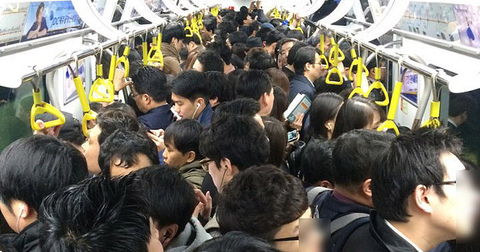
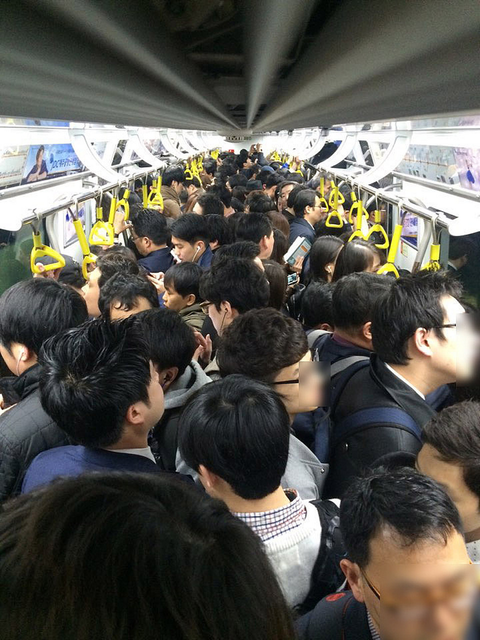
It is a question that trends on Zhihu every year like clockwork. With housing prices in Tier 1 cities out of reach and the infamous "age 35 layoff" curse looming, why do millions of young Chinese continue to flock to Beijing, Shanghai, and Shenzhen? They know they will likely never buy a home or gain residency. They know they might eventually be forced to leave. Yet, the consensus from a massive online debate this week is clear. The hometown is not a sanctuary. It is a trap.
The "Free Rider" Theory
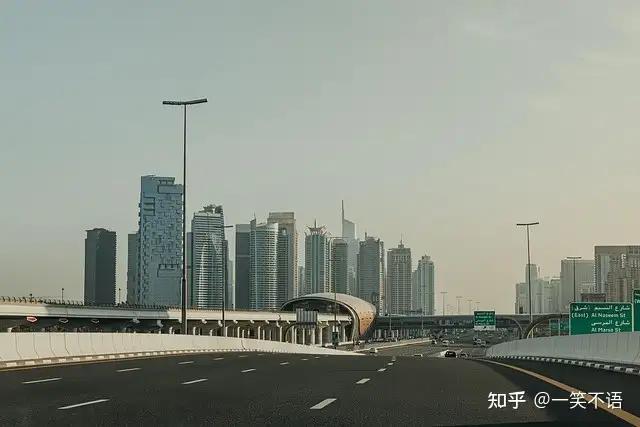
The most highly upvoted argument suggests that even without property, the big city offers a luxury lifestyle that rural areas cannot match. In a metropolis, you can spend all day in a Starbucks or a free library with air conditioning and nobody will chase you away. You can browse high-end malls, visit art exhibitions, and utilize efficient 24-hour delivery services.
One viral comment noted that as long as you do not buy a house, the big city is pure welfare. You enjoy the massive infrastructure, the clean streets, and the entertainment options that are effectively subsidized by the wealthy locals who pay the property taxes and mortgages. In contrast, small towns offer none of these amenities, leaving young people with nothing but the watchful eyes of their neighbors.
Escaping the "County Brahmins"
The darker reason for the exodus is the suffocating social structure of the Chinese county town. In the big city, survival is difficult, but it is generally based on ability and hard work. In a small town, survival is based entirely on bloodlines and "guanxi" or connections. Netizens describe a class of "County Brahmins"—wealthy local families who monopolize every good job, from the tobacco bureau to the local hospitals.
Without a powerful father or a well-connected uncle, a young returnee has almost no path to a decent career. They are relegated to low-end service jobs with meager pay and no labor protections. As one Zhihu user poignantly wrote, big cities might exploit your labor, but small towns exploit your soul by forcing you to beg for favors just to exist.

The Illusion of Low Costs
There is a persistent myth that leaving Beijing or Shanghai means a cheaper, more relaxed life. The reality described by netizens is vastly different. While rent is lower in small towns, the cost of consumer goods remains the same, yet salaries plummet to a fraction of city wages. A cup of coffee or a new phone costs the same in a remote county as it does in Shenzhen, but the local monthly salary might only be 3,000 RMB.
Furthermore, the "human cost" is higher. In a metropolis, nobody cares if you are single at 30 or what job you do. In a village, your personal life is public property, subject to the judgment of relatives and neighbors. For many, the anonymity of the city is worth the high rent. It purchases freedom from the intense social pressure to marry, breed, and conform.

The Verdict
Ultimately, the choice to stay in the big city is a rational calculation. It is not about "making it" or becoming wealthy, as those dreams have largely faded for the current generation. It is about access. Access to fair play, access to modern civilization, and access to a life where you are judged by your output rather than your surname. Young people are not blind to the lack of a future in the city; they simply see it as preferable to the lack of a present in their hometown.
Curated and translated from Zhihu, China's largest Q&A platform.
Newsletter
Subscribe to The Expat Edit
Chinese perspectives on global events, wars, and great power competition. Curated from Zhihu.
Free. No spam. View on Substack →