
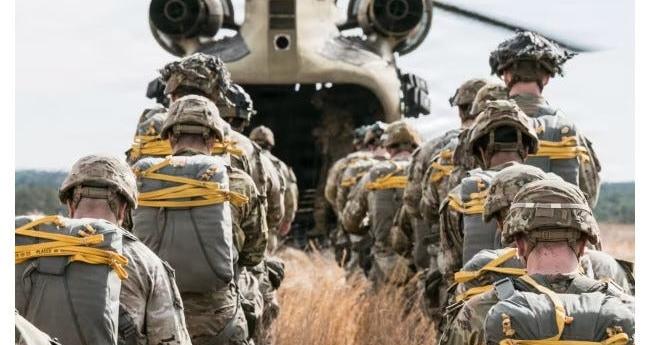
There is a surreal dissonance currently echoing out of Washington. The administration has essentially declared victory in the Middle East. The official narrative insists the mission is accomplished and the conflict has been won. Yet, for anyone willing to observe the facts on the ground, the reality is starkly different.
The Strait of Hormuz remains effectively choked off, strangling a vital global economic artery. American military bases across the region continue to take fire. Missiles and drones are still raining down on Israeli targets and Gulf installations. The declaration of triumph is not a reflection of military success but rather a desperate reliance on a familiar political playbook: deny the truth, project total confidence, and hope the public simply believes the performance.
We have transitioned into what can only be described as a Hollywood government. Grand strategy has been entirely replaced by public relations. For decades, the Western political apparatus has invested vast resources into constructing narratives to justify foreign interventions. The tragedy of this approach is that the architects of these narratives have begun to drink their own Kool-Aid. They have convinced themselves that American power is truly limitless and that reality can be bent to the will of a well-crafted press briefing.
But propaganda cannot intercept a ballistic missile.
This detachment from reality is pushing the United States toward a terrifying precipice. Having denied themselves a diplomatic off-ramp through the treacherous treatment of Iranian negotiators, the political class is now trapped in quicksand. There are whispers of a ground invasion, with suggestions that units like the 82nd Airborne or the 101st might be deployed in coordination with the Marines for an assault on Kharg Island or an incursion from Kuwait.
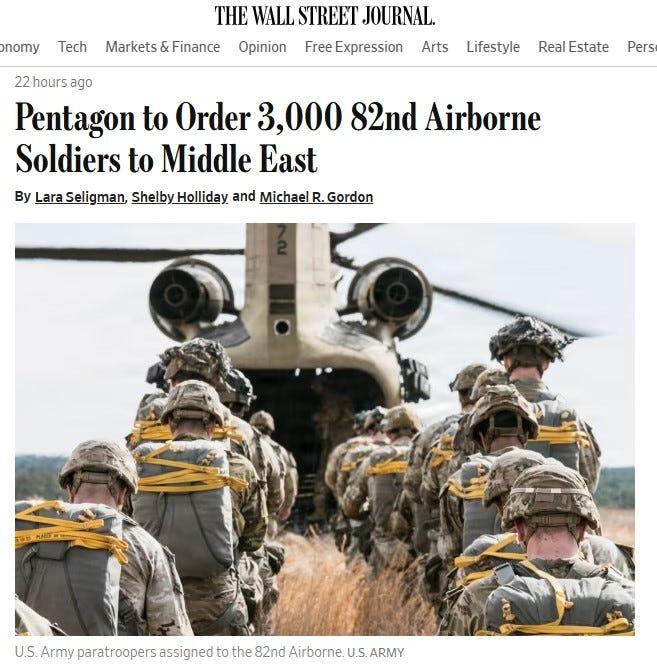
Such an operation would be a strategic catastrophe. Amphibious assaults are the most notoriously bloody and complex maneuvers in modern warfare. To believe that a token force could seize and hold territory against a nation of nearly a hundred million people is pure hubris. Pundits casually compare these theoretical missions to Iwo Jima, conveniently omitting the horrific casualty rates of that battle and the fact that an invaded territory would be endlessly pounded by mainland forces.
Because a conventional victory is utterly out of reach, the options remaining to the administration are narrowing to the unthinkable. When a deeply insecure empire is faced with a humiliating defeat, the temptation to escalate grows exponentially. The prospect of a nuclear strike, once relegated to dystopian fiction, is now a near-horizon threat. If Washington and its allies cannot gracefully exit the conflict, and if they refuse to accept the blow to their prestige that would come with making necessary concessions, they may choose to roll the dice on mutually assured destruction.
This recklessness is not occurring in a vacuum. It is the symptom of a deeply compromised foreign policy apparatus. The current administration, much like its predecessors, has outsourced its geopolitical compass to hardline Zionist interests. The men shaping the strategy are acting more as representatives of a foreign power than as stewards of American security.
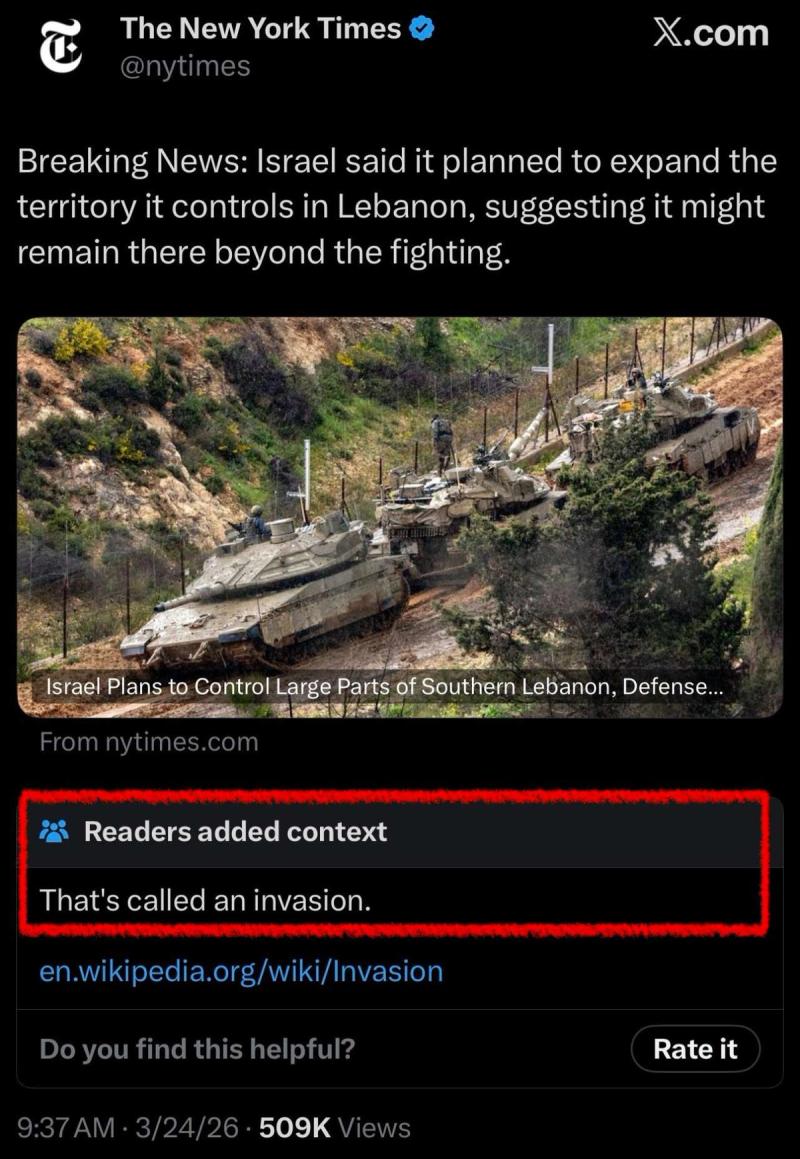
The global consequences of this subservience are already unfolding. The United States finds itself historically isolated. While Washington focuses its energy on maintaining a crumbling unipolar hegemony, much of the world watches with mounting revulsion. They see the horrific realities the West actively ignores or excuses: the ongoing ethnic cleansing in Lebanon, the engineered starvation in Gaza, the rampaging violence in the West Bank, and the quiet, crushing economic blockade continuing to suffocate Cuba.
The world is shifting toward multipolarity. Nations in the Global South and even traditional allies are recognizing that the American aura of invincibility is a mirage. If Washington proceeds down this path, it will not just lose a war. It risks the total collapse of the US dollar, the end of its global standing, and the alienation of a younger, highly skeptical generation of citizens and soldiers who refuse to be sacrificed for the sake of a foreign nation’s regional dominance.
There is still a theoretical exit. The administration could choose to come clean. It could expose the disastrous intelligence, break the stranglehold of foreign influence over American policy, and admit that the current path leads only to ruin. It would require the mother of all political reversals, shattering the illusion of infallibility. But compared to the unimaginable horrors of total war and nuclear escalation, a bruised ego is a remarkably small price to pay.
The unthinkable is quickly becoming the inevitable. It is time to abandon the Hollywood script before the final act destroys us all.
Listen to CATR on:
Newsletter
Subscribe to Conversations Among the Ruins
Long-form geopolitics and the decline of the unipolar world order. New episodes straight to your inbox.
Free. No spam. View on Substack →
Reader-funded
This is independent, long-form work.
Conversations Among the Ruins is written, not repackaged, and it stays free because readers choose to fund it. If it is worth your time, a paid subscription or a one-off tip keeps it going.
Become a supporter →