

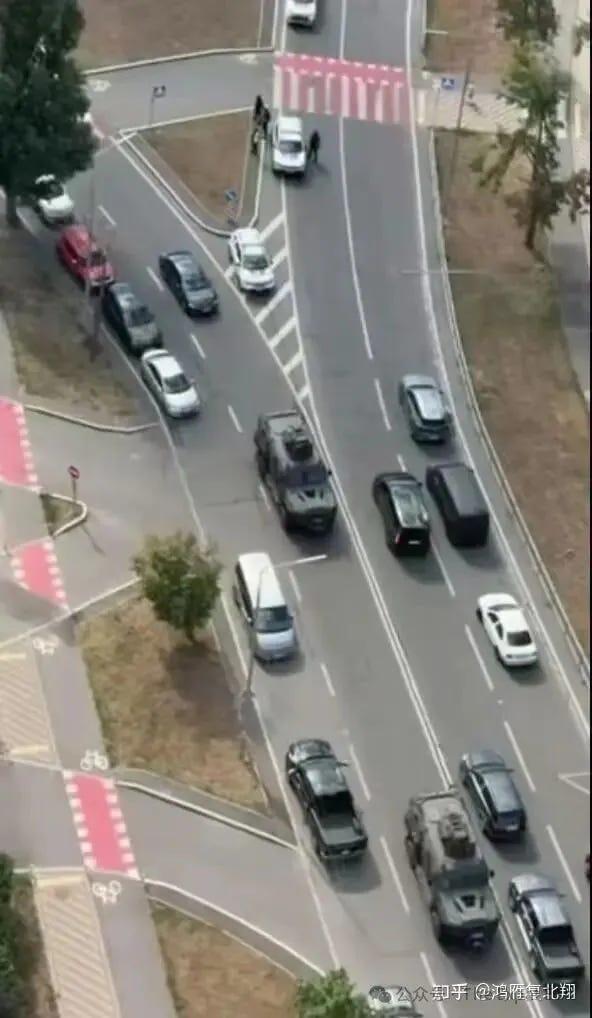
On September 2, Ukraine’s two intelligence agencies, the SBU and the military’s GUR, exchanged gunfire in the middle of Kyiv. Both sides called in backup. Armored vehicles showed up. Zelensky called it “extremely shameful.” Within hours the story hit Zhihu’s hot list and stayed there, and the Chinese reaction was less shock than recognition. To a lot of Chinese readers, this looked like a rerun of their own history.
What Actually Happened
Thanks for reading Silk & Steel! Subscribe for free to receive new posts and support my work.
According to the accounts circulating on Zhihu, the SBU moved to detain a GUR operations team leader. GUR officers arrived to stop it. Guns came out, reinforcements were called, and the exchange went on long enough that residents across half the city could hear it. The official tally of one dead and three wounded was dismissed almost immediately. One of the most upvoted answers, from a user who follows Kyiv residents’ Telegram groups, pointed out that these channels normally shrug off Russian drone strikes, yet all of them broke into emergency updates about gunfire downtown. An hour of shooting and traffic jams of reinforcement vehicles, he wrote, does not add up to four casualties. Ukrainians online were saying the same thing.
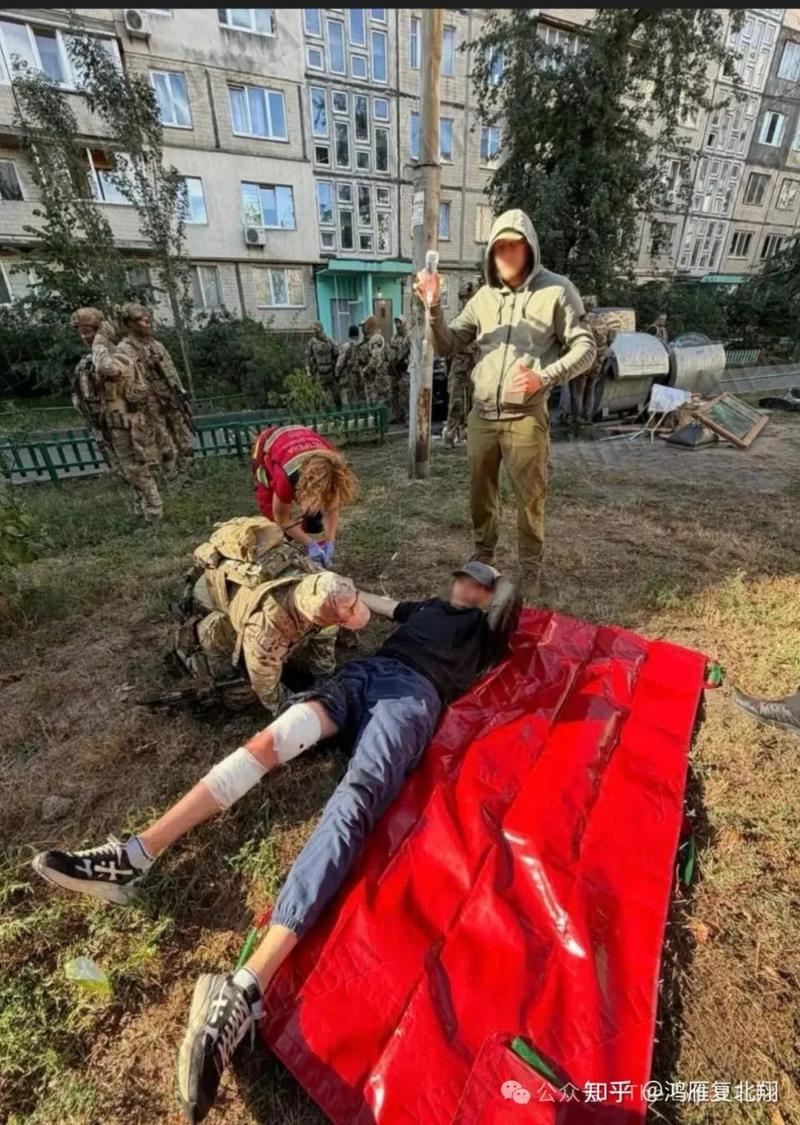
The Sequel Came Two Days Later
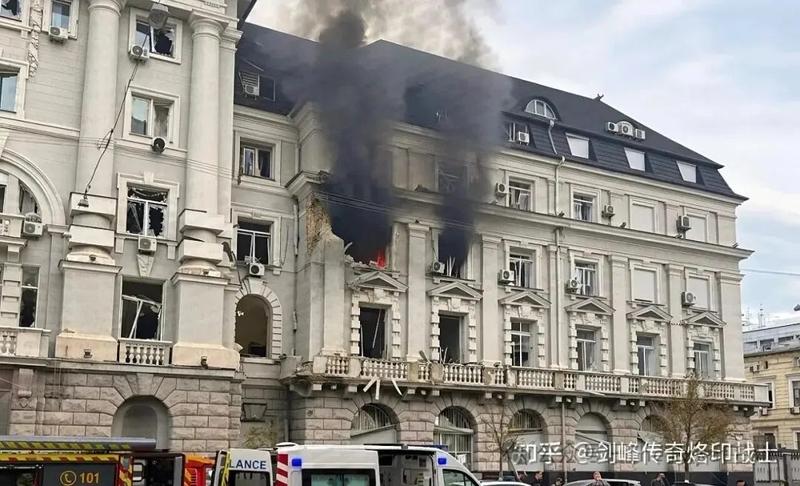
On September 4 a drone hit the office of the SBU’s acting director, Oleksandr Poklad. Kyiv’s official line was that it was a Russian strike. Zhihu did not buy it, and neither, according to several answers, did many Ukrainians. The reasoning went like this: Russia has rarely hit Ukrainian government buildings in five years of war, the blast was far too small for a Geran-type drone, and the timing was awfully convenient. The prevailing theory on the thread was that the GUR used the cover of a Russian air raid to send a message with a drone of its own.

KGB Roots vs CIA Roots
The most detailed answer on the thread, with over a thousand upvotes, traced the feud to the agencies’ origins. The SBU descends from the Soviet KGB’s Ukrainian branch. After a chunk of its leadership defected to Russia in 2014, it was purged and rebuilt with hardline anti-Russian staff, and it has since run many of the drone strikes on Russian airbases. The GUR, by contrast, was built up after 2014 with heavy CIA involvement, trained in European cities and plugged into American intelligence. Two services, two patrons, overlapping missions, and a wartime budget worth fighting over.
The same answer noted that this is not the first time the two have drawn blood. In March 2022, the SBU shot and killed banker Denys Kirieiev on a Kyiv street, calling him a Russian collaborator. The GUR then announced he was one of their senior agents, the man who had brought back Russia’s invasion plans the day before the war began. No explanation ever followed. Compared to executing each other’s decorated officers, the answer concluded, a few shots fired over one suspect is hardly news.
Why China Sees Its Own History
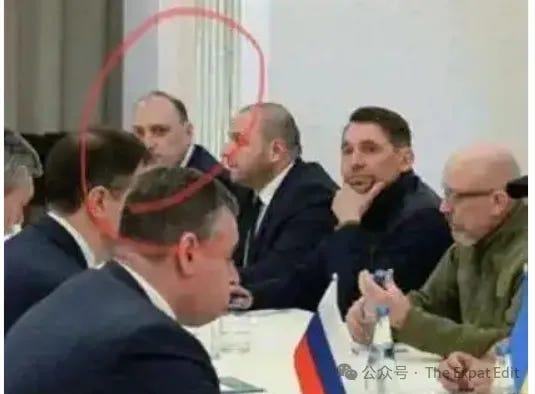
The comparison that ran through almost every answer was to the Zhongtong and Juntong, the two rival intelligence services of Nationalist China in the 1930s and 40s. Anyone who grew up on Chinese spy dramas knows the plot: two agencies with overlapping turf, each running its own armed men, each using intelligence work as a ladder to political power, until they turn their guns on each other while the real war rages outside. One user joked that the SBU grabbing a GUR team leader was a scene lifted straight from the TV series Lurk, where the Zhongtong arrests the Juntong hero Yu Zecheng.
“Intelligence agencies in wartime grow unlimited power and raise private armies. Then they compete. This happened constantly in Republican-era China.”
Several answers tied the fight to a bigger power struggle in Kyiv. They pointed to the SBU’s raids on the anti-corruption agencies NABU and SAPO in July 2025, the dismissal of SBU chief Maliuk in January 2026 over a corruption case, and the growing ambitions of former defense minister Fedorov, who Zhihu users see as the GUR’s political patron and a man openly positioning himself against Zelensky. The consensus view was that Kyiv’s institutions have become proxies in a contest among their foreign backers, and that even insiders may no longer know who the ultimate boss is.
The Mood on the Thread
A lot of it was gleeful. This is Zhihu, and Ukraine is not a sympathetic subject there. But underneath the jokes about “Nationalist China 2.0” was a more analytical point that expats might find useful for understanding how Chinese readers see the war: not as a heroic defense, but as a client state coming apart at the seams, with rival services fighting over drones, budgets and, in the more colorful answers, the alcohol and vice rackets that flourish in wartime. Whether or not that picture is fair, it is the one that 1.5 million Zhihu readers took away this week.
Thanks for reading Silk & Steel! Subscribe for free to receive new posts and support my work.
Curated and translated from Zhihu, China's largest Q&A platform.
Newsletter
Subscribe to The Expat Edit
Chinese perspectives on global events, wars, and great power competition. Curated from Zhihu.
Free. No spam. View on Substack →