Xi Jinping’s three-day state visit to Washington ended Friday with an eight-point list published by Beijing the next morning. Two of the points are concrete: a $30 billion reciprocal tariff cut with a standing trade council to manage it, and a China–US dialogue on artificial intelligence that convenes in November. The rest are declarations: a new name for the relationship, mutual attendance at APEC and the G20, a shared line on Iran, praise for joint drug busts, a nod to the Second World War, and two pandas for Atlanta. The tariff truce due to expire in November was extended by two months.
If you earn, sell or source across the Pacific, the useful question about this summit is not whether it went well. By every account it went well: the president met Xi’s plane on the tarmac, the state dinner seated the heads of Apple, Nvidia and OpenAI, and both men used the word friendship. The useful question is how much of what they signed changes anything you can plan around. On Zhihu, China’s question-and-answer forum and the closest thing it has to a public seminar room, readers spent the weekend asking exactly that, and their answer, in short, is: less than the ceremony suggests, more than the cynics allow, and the difference is worth understanding precisely.
Thanks for reading Silk & Steel! Subscribe for free to receive new posts and support my work.
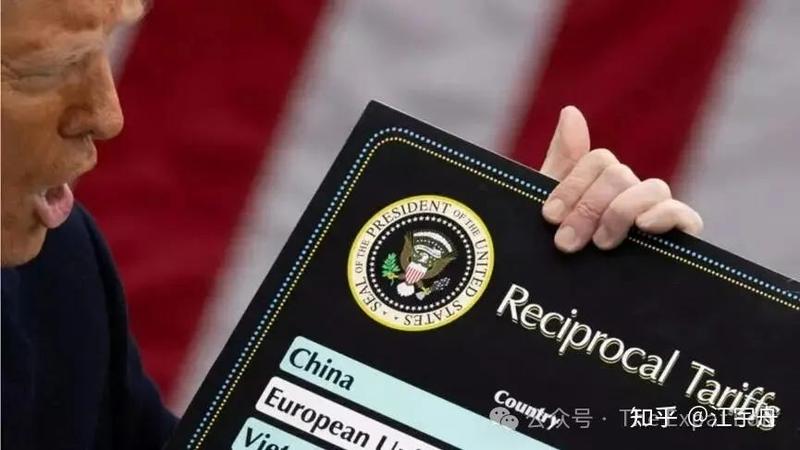
Start with the part that is real. The tariff arrangement is the only item on the list with a dollar figure attached, and it was confirmed at the top after trade teams finished a round of talks in New York the week before. Duties come down on what both governments call non-critical goods, which in practice means farm products and energy. The trade council that goes with it is the more important half, because it means disputes now have a room to go to instead of a phone call to schedule. For a sourcing office in Dongguan or a school that lives on American parents’ tuition, that is the difference between a six-month horizon and a coin toss. It is not peace. It is a calendar.
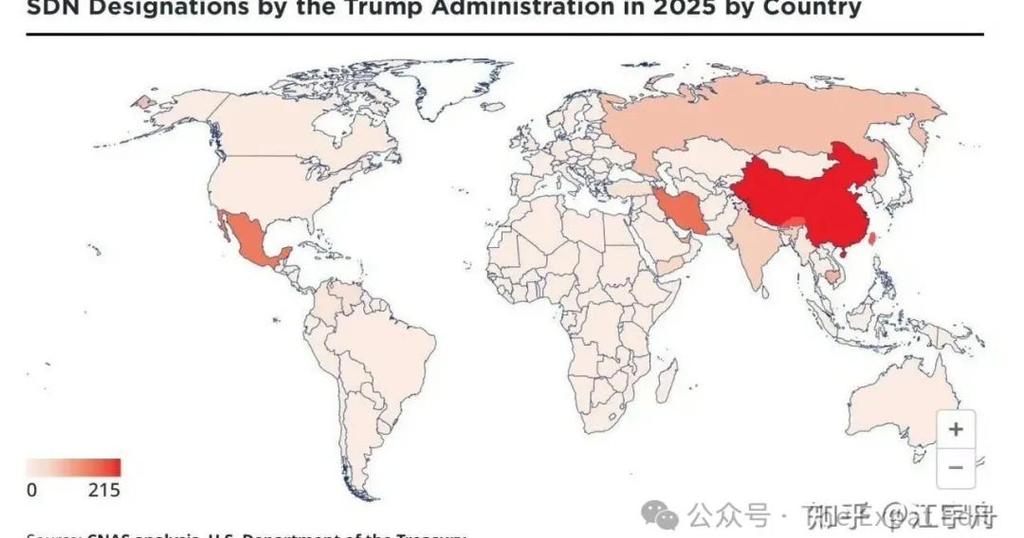
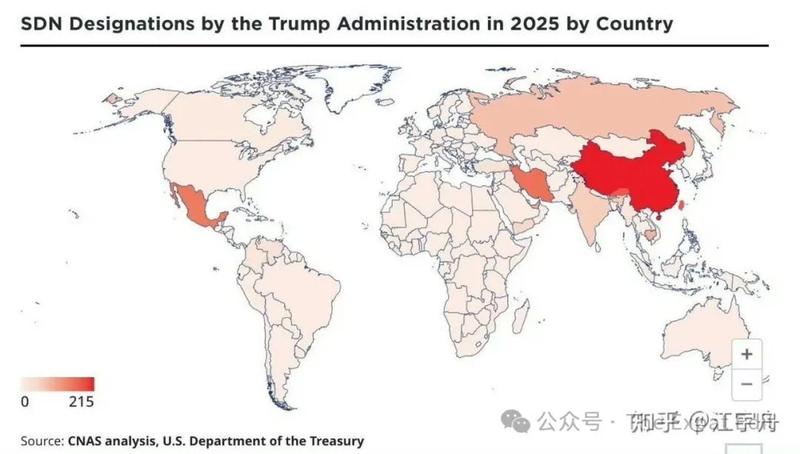
The most liked answer in the discussion, a long and footnoted essay by a commentator posting as 江宇舟, who evidently reads both governments’ communiqués for a living, made the case for taking the calendar seriously and then spent most of its length on what the calendar leaves out. His method was to lay the Chinese readout over the White House readout and note what fell through the gaps. Minerals appear in the American version and not the Chinese one. Energy cooperation is framed by Washington around oil and gas, while Chinese solar panels and batteries remain under pressure. Nothing in either text touches the widening list of Chinese firms under American sanctions, a list that a think-tank map circulating in the replies showed as the largest single national target of 2025. His conclusion was that the two sides now have, for the first time, a document with real overlap, surrounded by an enormous amount of white space.
Then there is the part that is only words, and here Chinese readers were split in an instructive way. The first of the eight points commits both countries to “a constructive strategic and stable relationship based on respect, fairness and reciprocity.” Many commenters called it filler. A sizeable and vocal minority insisted it was the whole story, because for most of the past decade Washington’s official noun for China was competitor, and a noun is where policy begins. The label can be withdrawn tomorrow, one widely applauded reply conceded; it is still the first time the two sides have agreed on one. The same logic applies to the line recalling that China and America fought as allies in 1945, which Western readers skim and Chinese readers do not. Invoking that war is Beijing’s way of saying the postwar borders and institutions are the order it defends, a message aimed less at Washington than at Tokyo and Taipei. Nothing in it changes a tariff. It tells you what China thinks the argument is about.
The artificial-intelligence clause sits awkwardly between the two categories. A dialogue and an incident hotline are real things with dates, and also the thinnest possible version of real things. The essayist blamed American reluctance to slow a Chinese rival in a field Washington has bet the house on, and, more interestingly, an American executive branch that in his description does not currently speak with one voice on technology, so that any committee, regulator or television segment can generate a new restriction. That is one Chinese analyst’s characterisation of American politics, not a reported fact, but it explains why a channel is all anyone could agree on. You cannot negotiate with a counterpart who has not decided what it wants.
“That the two sides can still fight without breaking is, at this point, an achievement in itself.”
It would be easy to read all of this as the usual post-summit deflation, and one of the weekend’s most upvoted replies pushed further, arguing that the years before both world wars were full of exactly this kind of energetic pact-making and that guardrails multiply when the road gets dangerous. He added a careful disclaimer that he was predicting nothing. What was notable was not the argument but its popularity: a summit widely described as warm produced, as one of its top reactions, a meditation on 1914. That is the mood the tariff cut has to work against, and it is a mood the expat reader will meet in Chinese colleagues who are not reassured by a state dinner.
Which leaves the pandas. Ping Ping and Fu Shuang, both born in Chengdu in 2020, landed in Atlanta on Sunday morning for a ten-year stay, and the single most liked comment in the entire discussion was about them: a Chinese traveller recalling a visit to the Toronto Zoo, where he asked a staff member for the exit and was told, with visible disbelief that anyone would need to ask, that it was just past the pandas. He meant it as a defence of point eight against people who thought it did not belong on the list with tariffs and Iran. It is also, unintentionally, the best summary of the whole document. The pandas are not policy. They are a signal that policy is possible, and that is the category most of the eight points belong to.
So plan on the calendar and not the adjectives. The truce holds through winter. New sanctions will land anyway, because nothing signed this week prevents them. The AI channel will produce a meeting in November and little else. And the two men will do this again in Shenzhen in eight weeks, at which point we will learn whether the white space around the document has started to fill in, or whether “constructive strategic stability” is the name for a pause.
Sources: Xinhua, CNBC, The Hill, Associated Press, NPR, Zhihu.Read the original Zhihu thread: https://www.zhihu.com/question/2087214676530525535
Thanks for reading Silk & Steel! Subscribe for free to receive new posts and support my work.
Curated and translated from Zhihu, China's largest Q&A platform.
Newsletter
Subscribe to The Expat Edit
Chinese perspectives on global events, wars, and great power competition. Curated from Zhihu.
Free. No spam. View on Substack →