
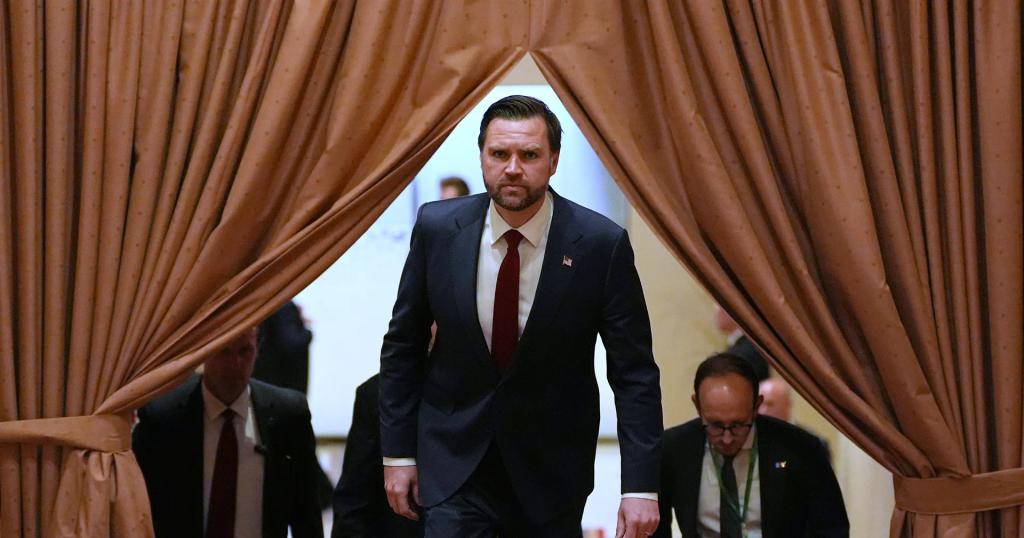
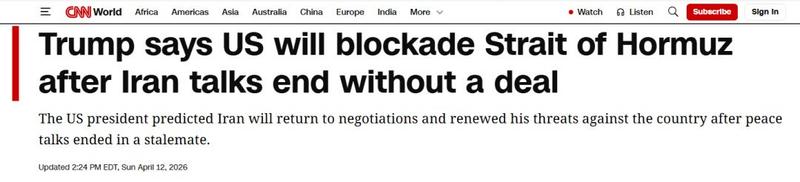
After roughly 21 hours of negotiations in Islamabad, the United States and Iran still walked away without an agreement. Both sides said talks involved serious issues and multiple rounds of text exchanges. Both also made clear that the gap remains wide. Iran said negotiations would continue despite serious differences. The US side said its red lines had been clearly laid out and Iran refused to accept them. In other words, the diplomacy is still alive, but only barely.
What Actually Happened In Islamabad?
According to Chinese state media reporting, Iranian and American delegations met in Islamabad with Pakistani mediation. Expert teams were present, and the two sides exchanged revised texts again. Iran later said the discussions covered a broad set of issues, including the nuclear file, sanctions relief, war reparations, the Strait of Hormuz, and the wider conflict across the Middle East. That alone tells you this was never going to be a quick technical meeting. It was an attempt to bundle military, nuclear, regional, and economic disputes into one exhausting package.
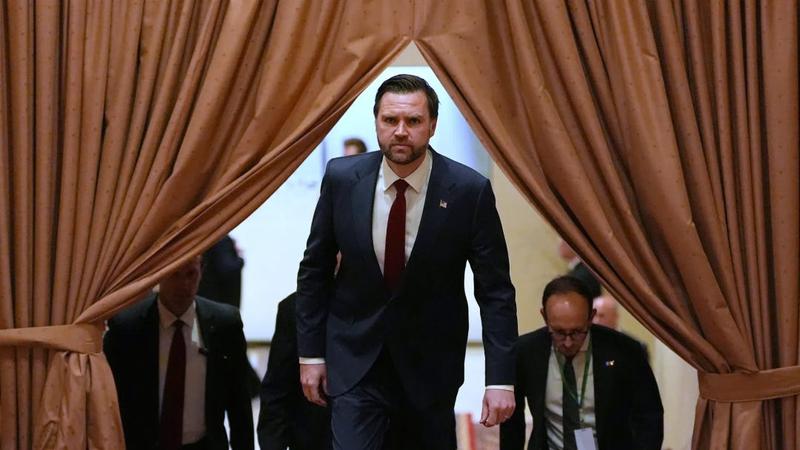
The immediate result was stalemate. US Vice President J.D. Vance said no agreement had been reached after many hours of substantial discussion. He stressed that Washington wants Iran to make a clear and lasting commitment not to develop nuclear weapons or the capabilities needed to obtain them quickly. Iran, for its part, said the real obstacle was the American habit of making excessive and unrealistic demands. Tehran also framed success as dependent on the other side showing sincerity and respecting Iran’s lawful rights.
The Biggest Signal: The Talks Failed, But Neither Side Slammed The Door
One of the most important takeaways is not just that the talks failed. It is how they failed. The US did not announce a complete breakdown of diplomacy. Iran did not say the process was finished either. Tehran even said another round would continue despite the remaining differences. That suggests both governments still see some value in keeping a negotiating channel open, even if only to buy time, test the other side, or manage escalation.
This matters because the alternative is ugly. With tensions already high, the Strait of Hormuz back in the headlines, and regional proxies still active, the cost of total diplomatic collapse could be immediate. That is why the language from both sides was noticeably harsh but still controlled. Washington said Iran rejected the terms. Tehran said America needs to stop overreaching. Neither side used the kind of wording that makes renewed talks politically impossible.
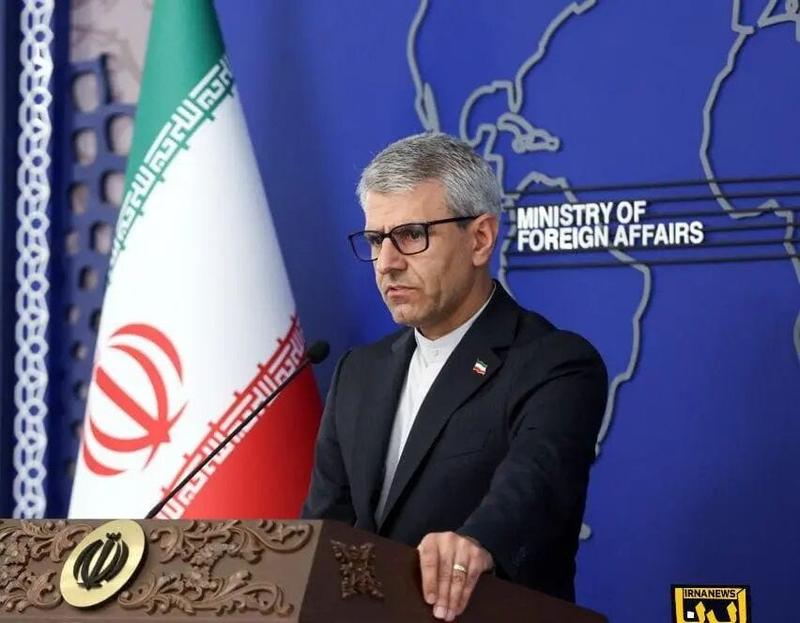
The clearest message from Islamabad is simple: both sides still prefer talking to immediate escalation, but neither is ready to pay the price of compromise.
Why The Gap Is So Hard To Close
The core dispute is larger than the nuclear file, even if nuclear language remains the public centerpiece. From the US side, the priority is clear. Iran must not develop nuclear weapons and must not retain the kind of technical pathway that could rapidly produce them. But Iran is not treating this as a narrow nonproliferation negotiation. It is tying the issue to sanctions, wartime losses, regional security, the future of the Strait of Hormuz, and the broader campaign against Iran and its allies.
That means the two sides are negotiating in completely different frames. Washington wants a deal centered on restrictions and guarantees. Tehran wants a deal centered on rights, relief, sovereignty, and strategic deterrence. One side is trying to cap Iran’s capabilities. The other side is trying to make sure the war and sanctions do not end with Iran weaker than before. That is not a small drafting problem. It is a clash of war aims and political survival.
Why Pakistan’s Role Matters More Than It Looks
Islamabad’s role is not just logistical. Pakistan has become one of the few actors able to host this kind of contact while keeping lines open to multiple regional players. Iranian statements openly thanked Pakistan for mediating and hosting. That is significant. It suggests that even with deep mistrust, there is still enough diplomatic space for a third party to keep the process alive.
At the same time, mediation is only as strong as the incentives surrounding it. If the battlefield keeps moving, if pressure from Israel keeps rising, or if Gulf states harden their positions, then any mediator becomes less effective. A venue can help pass messages and shape atmospherics, but it cannot magically erase strategic contradictions. Pakistan can slow the slide. It cannot resolve the reasons behind it.
The Real Subtext: War Goals Are Creeping Onto The Negotiating Table
Iranian briefings hint that Tehran sees the US position as an attempt to win at the table what it could not secure through force. That perception is crucial. Once a party believes talks are being used to formalize its battlefield losses or strip away its leverage, compromise becomes politically dangerous. In Iran’s case, issues like missile capability, uranium enrichment, and control around Hormuz are not treated as bargaining chips alone. They are viewed as insurance policies.
On the American side, accepting too little would also look like failure. If the war and the pressure campaign produce only a return to old formulas, then Washington would struggle to claim a strategic win. That is why each side may still want talks, but on terms that the other side sees as humiliation. This is the classic recipe for prolonged deadlock.
What Comes Next?
In the short term, expect more ambiguity. There may be another round of talks, more indirect messages, and more dueling narratives about who is being flexible and who is not. That does not mean a breakthrough is near. It means both sides are still trying to shape the blame story before the next phase, whether that phase is renewed diplomacy or renewed confrontation.
The danger is that time does not necessarily cool this crisis. Every additional day of conflict raises political costs, hardens public positions, and increases the number of demands attached to any eventual deal. If Washington believes it must show strength and Tehran believes concession invites more pressure, then another round of talks may simply confirm the same stalemate in a different room.
So what does this latest round reveal? First, that diplomacy is not dead. Second, that the substantive divide remains severe. Third, that the negotiation is now about far more than centrifuges and enrichment levels. It is about leverage, deterrence, credibility, and who gets to define the terms of ending the crisis. That is why 21 hours produced so little. The real argument is not over wording. It is over the shape of the region after the war.
Curated and translated from Zhihu, China's largest Q&A platform.
Newsletter
Subscribe to The Expat Edit
Chinese perspectives on global events, wars, and great power competition. Curated from Zhihu.
Free. No spam. View on Substack →