

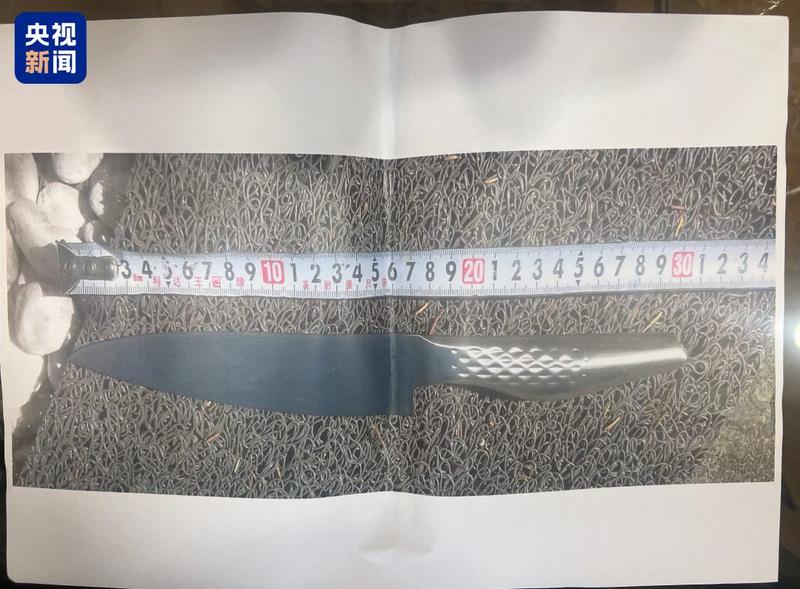
China’s embassy in Japan says it has faced a string of terror threats over the past six weeks, including a mailed threat letter, a knife carrying intruder who scaled the embassy wall, and an online bomb threat claiming that a remote controlled explosive had been planted inside the compound. The embassy says it has lodged nearly 30 representations with Japan, yet more than 40 days after the first threat, there is still no clear investigative breakthrough.
What Actually Happened
At a press briefing on April 16, China’s embassy in Tokyo laid out a timeline that is difficult to ignore. On March 5, the embassy received a threatening letter from a group claiming to be made up of former police officers and former Self Defense Force personnel. According to the embassy, the letter warned of attacks on Chinese diplomatic missions in Japan. The embassy reported the matter to police, but says Japanese authorities did not treat it with sufficient seriousness and failed to take strong action.
Nineteen days later, on March 24, the situation escalated sharply. A serving Japanese Self Defense Force officer, identified by Chinese state media as Murata Akihiro, allegedly climbed over the embassy wall carrying a knife. China says it made an urgent and formal protest to Japan’s foreign ministry and police after the incident.
Then on March 31, only a week after the knife incident, another person identifying himself as an emergency reserve Self Defense Force member issued an online threat saying a long distance remote controlled bomb had been installed inside the embassy. The embassy immediately called police. Japanese authorities reportedly carried out nearly two hours of bomb disposal and explosive search operations on site.
Why This Is Bigger Than One Isolated Incident
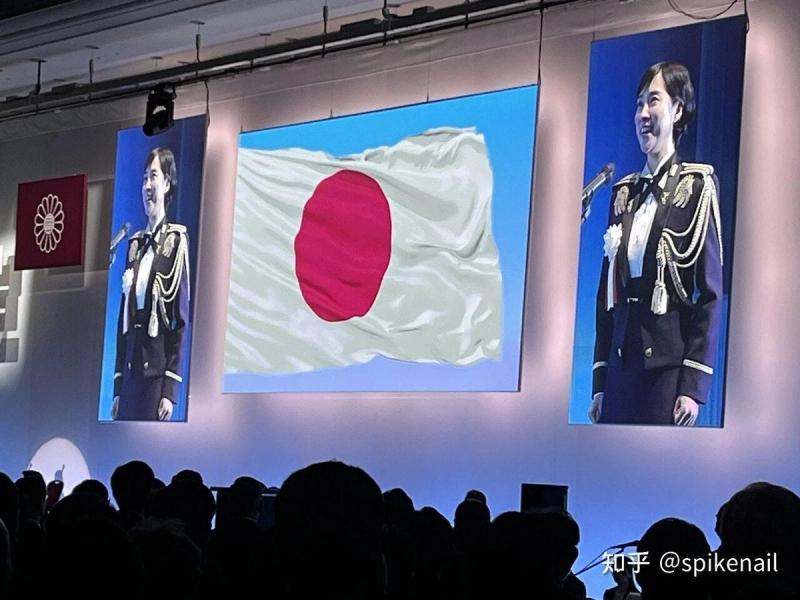
If this were just one unstable individual, the story would already be serious. But what makes this case more explosive is the pattern. All three reported incidents appear to involve people linked, directly or indirectly, to Japan’s police or Self Defense Force circles, either current, former, or reserve. That overlap is what has driven fierce reactions on Chinese social media and in commentary threads across Zhihu.
Many Chinese commenters are less shocked by the threats themselves than by what they see as Japan’s slow and opaque response. The embassy’s public complaint is not only about the attacks. It is also about the lack of visible consequences after repeated warnings. In diplomatic terms, this is a direct challenge to the host country’s obligation to protect foreign missions and personnel.
Under the Vienna Convention, embassies are supposed to enjoy special protection. So when China says these incidents seriously violated international law, infringed on Chinese sovereignty and dignity, and endangered diplomatic staff, it is not just using rhetorical language. It is pointing to a basic rule of diplomacy that every state is expected to uphold.
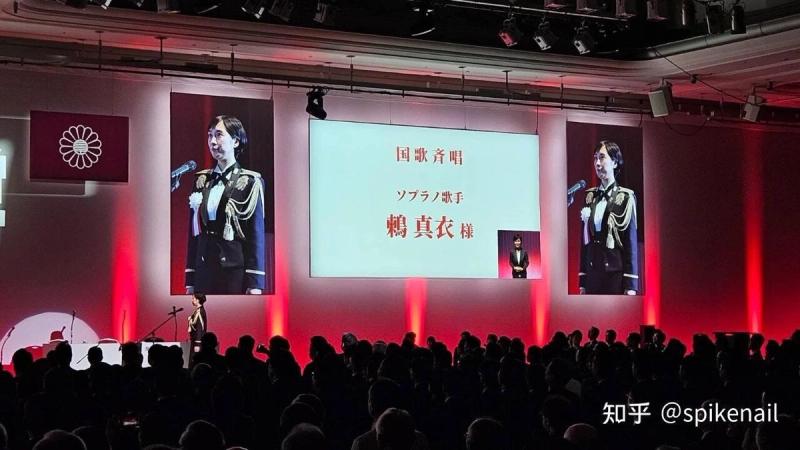
“The most alarming part is not just the threats. It is the sense that no one in Tokyo seems eager to explain how three such incidents happened in a row.”
The Media Gap That Raised More Questions
One especially striking detail is how little of this appeared in Japanese media before the Chinese embassy publicly disclosed it. Several Chinese commentators noted that, aside from the wall scaling case, the terror letter and bomb threat were not widely reported in Japan in real time. That has fed speculation that the cases were being handled quietly, or at least without public urgency.
Some online analysts tied this to Japan’s press club system and the tight information culture surrounding the Metropolitan Police Department’s public security units. In this reading, the issue is not only whether police are investigating, but whether they are willing to expose uncomfortable links involving far right networks, former security personnel, or political sensitivities.
That interpretation remains partly speculative, but it helps explain why Chinese public opinion has moved beyond outrage into suspicion. For many observers, the fear is not only that extremists exist. It is that the system may be too tolerant, too slow, or too opaque when those extremists come from familiar institutions.
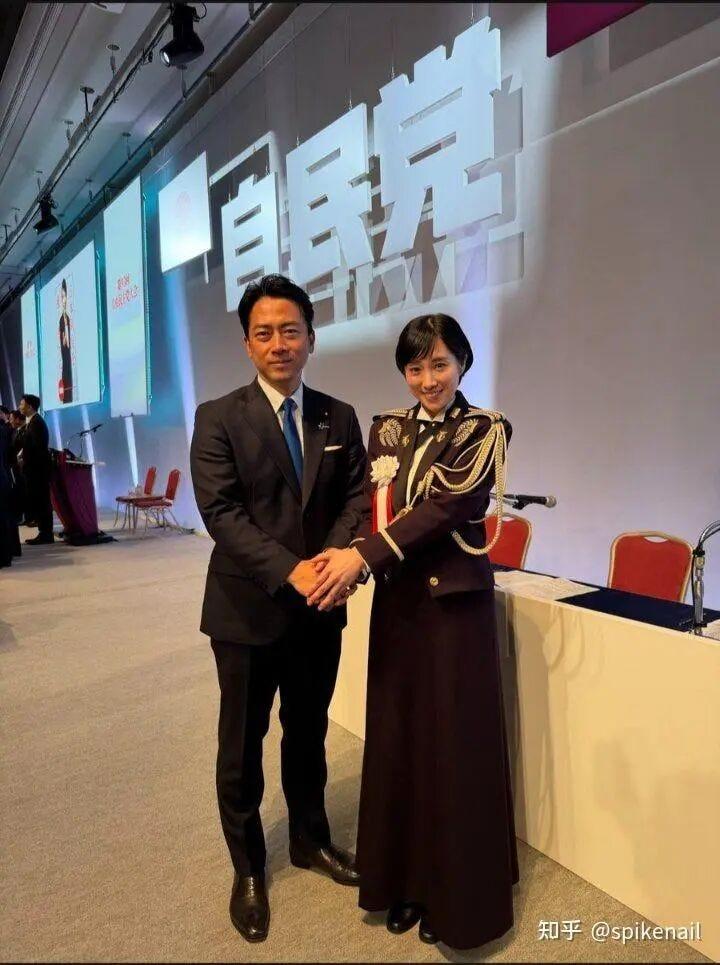
History Is Haunting the Reaction
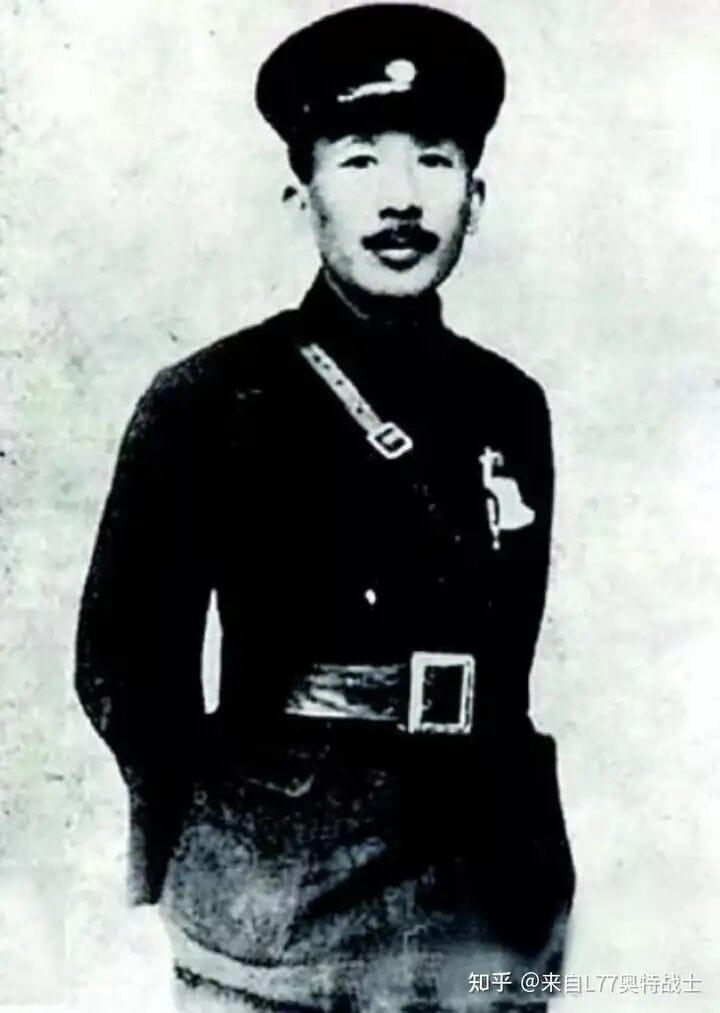
Chinese reactions to this story are also being shaped by memory. On Zhihu and other platforms, some users immediately invoked older episodes of Japanese violence against Chinese diplomatic or civilian representatives. One frequently cited figure was Cai Gongshi, the Chinese diplomat killed by Japanese forces during the Jinan Incident in 1928. The point of these references is not just historical. It is emotional and political. For many Chinese readers, the embassy threats do not feel like random criminal acts. They feel like echoes of a much darker pattern.
That historical lens helps explain why this case is touching such a deep nerve. In Chinese public discourse, embassy security is not an abstract procedural issue. It is bound up with dignity, sovereignty, and the promise that the humiliations of the past must never be repeated.
What To Watch Next
The immediate question is whether Japan will now produce visible results. China has publicly urged Tokyo to speed up investigations, punish those involved according to law, provide a responsible explanation, and take effective steps to guarantee the safety of Chinese diplomatic premises and staff. After such a public rebuke, doing nothing is no longer a low profile option.
The broader question is whether these incidents reflect a deeper rightward drift in Japanese public and political life. That is where the debate gets more uncomfortable. Some commentators see the embassy threats as part of a larger climate in which anti China hostility, nationalist symbolism, and the loosening of postwar taboos are no longer confined to the fringe.
For now, the facts that matter most are simple. There were multiple threats. One involved a real intrusion with a knife. One triggered a bomb search. The embassy says it raised the alarm repeatedly. And more than a month later, China is still waiting for answers.
Curated and translated from Zhihu, China's largest Q&A platform.
Newsletter
Subscribe to The Expat Edit
Chinese perspectives on global events, wars, and great power competition. Curated from Zhihu.
Free. No spam. View on Substack →