
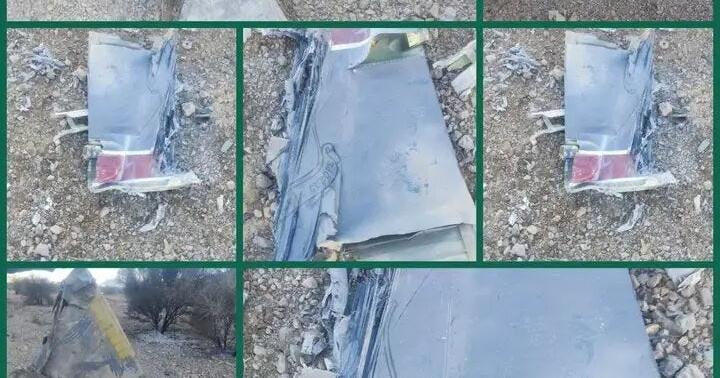
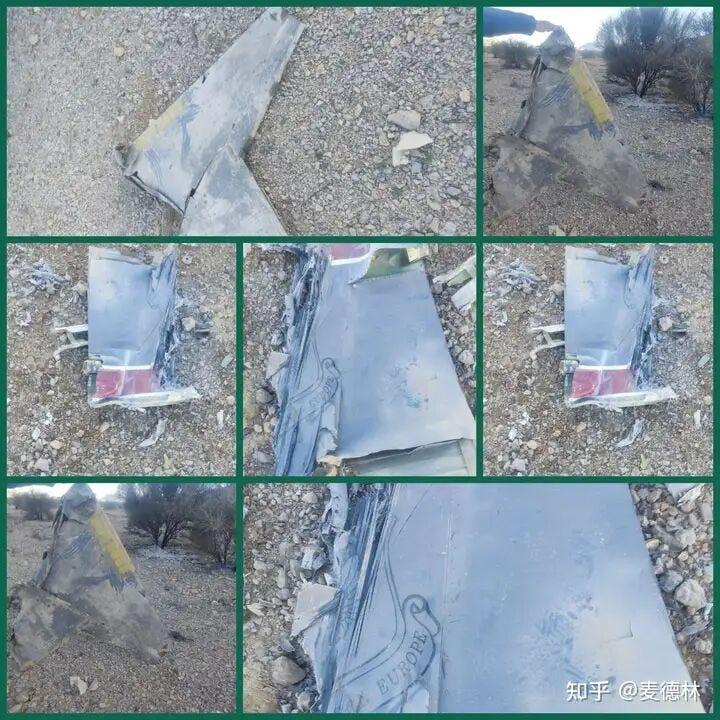
On April 3, Iran’s Islamic Revolutionary Guard Corps said its air defense forces had shot down a second American F-35 within 12 hours, this time over central Iran. Iranian media then released photos of scattered aircraft debris and said the pilot’s survival chances were slim. The US side denied losing any fighters. But online, especially on Zhihu, the debate moved fast. Many users now think the evidence points not to an F-35 at all, but to an F-15E.
The Claim Was Big. The Evidence Was Messier.
Iran’s official statement was confident and political. It said the aircraft had been completely destroyed, that the wreckage had broken apart, and that the pilot was missing. It also framed the shootdown as a direct response to Donald Trump’s rhetoric. That alone guaranteed the story would explode across the Chinese internet.
But once the wreckage photos began circulating, the argument shifted from slogans to hardware. Zhihu military watchers started zooming in on tail fragments, paint markings, antennas, and what looked like an ejection seat. Very quickly, the conversation became less about whether a US aircraft had been hit and more about which one it actually was.
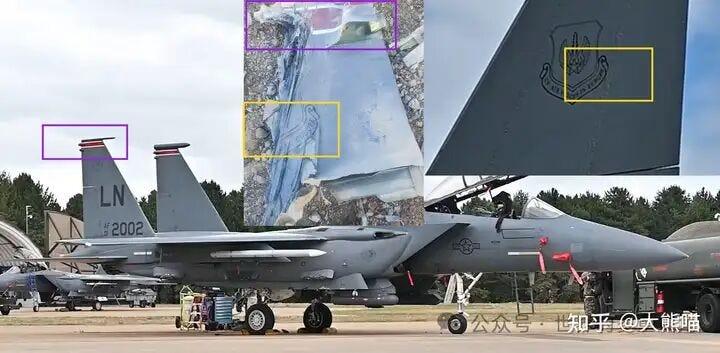
Why So Many People Think It Was Actually an F-15E
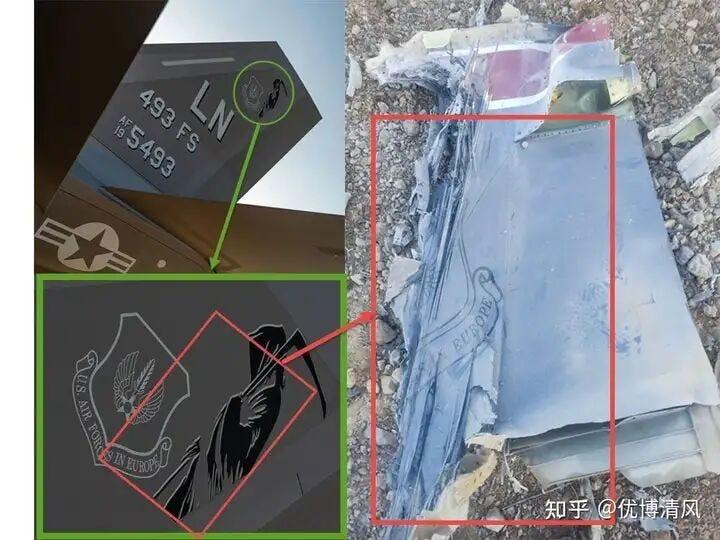
The most cited clue is the tail fragment. Several Chinese commentators pointed to visible red striping and insignia details that they say match a US Air Force F-15E, specifically one associated with the 494th Fighter Squadron of the 48th Fighter Wing. Screenshots and comparison graphics spread widely, with users matching the fragment to known squadron markings on aircraft previously based in Europe and later deployed to Jordan.
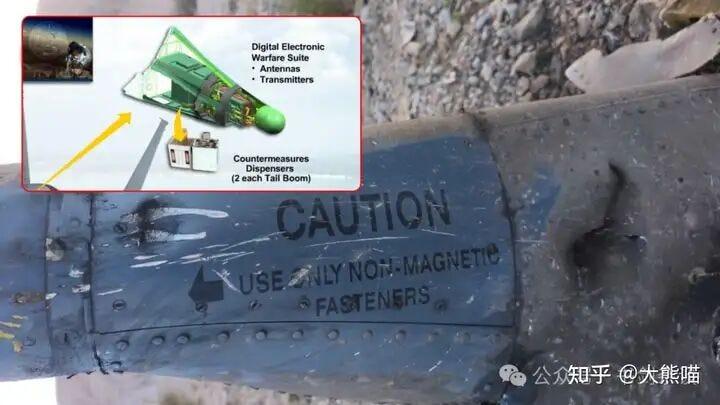
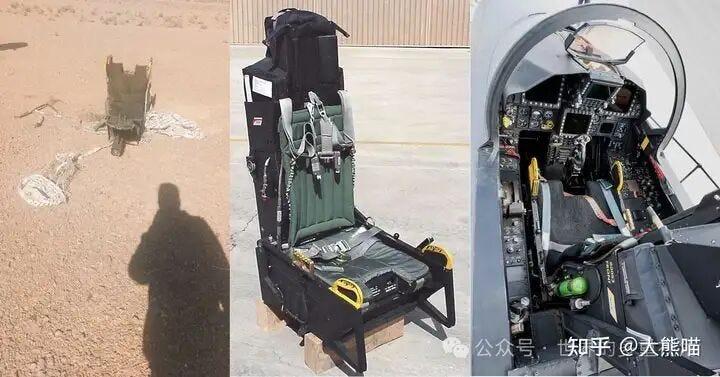
Another fragment appears to show part of an electronic warfare or countermeasures component. Online analysts compared it to known F-15E systems and argued it lined up far better with a Strike Eagle than with an F-35. There was also discussion of an ejection seat image that, if authentic, again seemed more consistent with an F-15 family aircraft.
None of this is a courtroom standard of proof, of course. It is open source deduction, social media style. Still, the broad drift of analysis on Zhihu was strikingly consistent: Iran may have hit a real American aircraft, but it likely oversold the result by calling it an F-35.
If a Jet Was Hit, How Could It Have Happened?
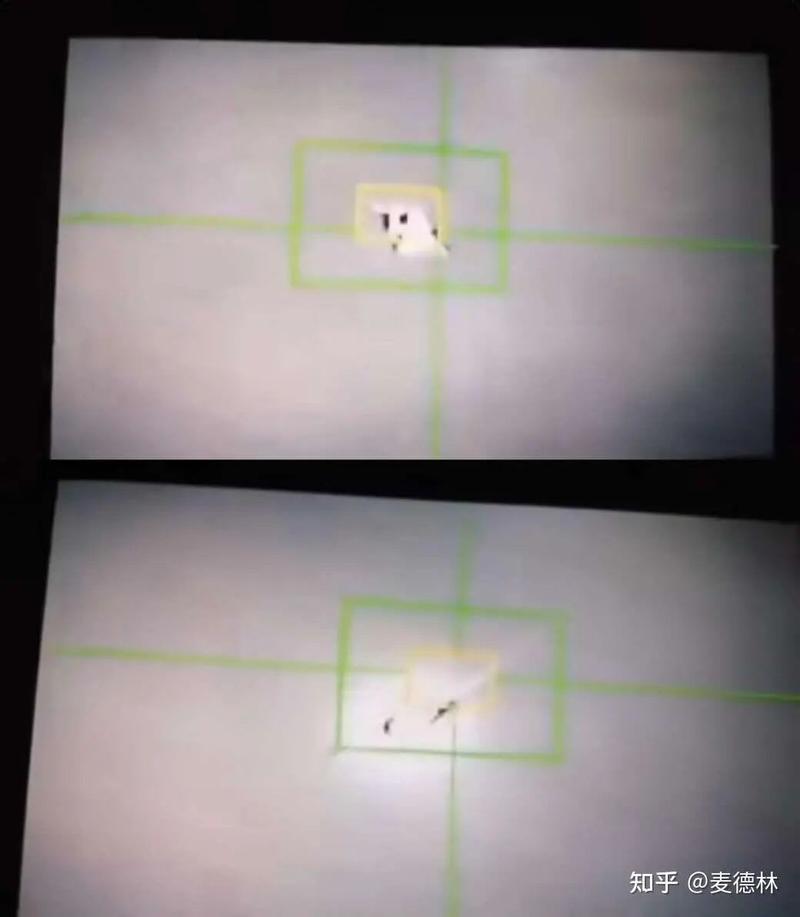
One interesting thread in the Zhihu discussion focused on the method of engagement. Some users referenced an Iranian video that appears to show a target being tracked through an optical or infrared system. The argument is that this was not a flashy long range radar kill, but possibly a low altitude ambush using electro optical guidance, perhaps by a system originally meant for drones or slow aerial threats.
That sounds almost absurd until you remember the context. Repeated strikes can create complacency. If a US aircraft was flying a familiar route, descending, loitering, or operating in a zone where Iran’s radar based defenses had been degraded, a hidden optical ambush becomes more plausible. A stealth aircraft is designed above all to reduce radar detection, not to become physically invisible to every sensor on earth.
In short, even if the target had been an F-35, that would not automatically make a shootdown impossible. It would simply mean the engagement likely happened under very particular conditions. If the target was an F-15E, the scenario becomes easier to imagine still.
“The most likely story right now is not that Iran proved the F-35 is a fraud. It is that Iran may have hit a real US aircraft and then upgraded the headline.”
The Biggest Unanswered Question Is the Pilot
This is where the whole story gets murky. If an aircraft truly crashed inside Iran and the pilot ejected, then where is the pilot? Iranian media has hinted at the possibility of capture, and some update feeds suggested a US pilot may have fallen into Iranian hands. But there has been no clear public proof so far.
That absence matters. If Iran had a live American pilot, it would have enormous propaganda value. If it had a dead one, it would still likely publicize evidence. The fact that so much of the discussion still revolves around tail sections and equipment fragments suggests the full picture is not yet out in the open.
Some Zhihu users think the aircraft may have been damaged badly enough to shed components, eject a pilot, or crash later, while others suspect parts of the story are being withheld for operational reasons. For now, the pilot question remains the biggest hole in every version of events.
What Chinese Netizens Were Really Arguing About
On the surface, the thread asked whether Iran had shot down another American F-35 and how it might have happened. But beneath that, the Zhihu debate was really about something bigger: whether people have turned advanced American weapons into mythology.
A lot of the highest liked comments mocked the idea that US losses must be fake unless proven beyond all doubt. Others went the opposite way and treated every Iranian claim as a strategic breakthrough. The more careful voices landed somewhere in the middle. Aircraft can be hit. Even elite air forces make mistakes. But wartime claims also get exaggerated, especially when every side wants to dominate the narrative.
Right now, the most defensible reading is simple. Something appears to have happened. The debris circulating online looks more consistent with an F-15E than an F-35. Iran probably scored a real win by showing physical evidence, but that does not mean its official description is accurate in every detail.
So, What Should We Believe?
If you strip away the chest thumping, the safest conclusion is this: there is credible visual evidence that some US aircraft related debris ended up inside Iran, and a strong online case has been made that the wreckage belongs to an F-15E tied to the 494th Fighter Squadron. There is still no firm public proof that an F-35 was downed.
Whether the aircraft was destroyed outright, managed to limp away, or involved an ejection that led to a still secret recovery is not yet fully clear. But the viral label “another downed F-35” now looks a lot more like wartime branding than confirmed fact.Source: Zhihu Social Commentary
Curated and translated from Zhihu, China's largest Q&A platform. Read the original discussion →
Newsletter
Subscribe to The Expat Edit
Chinese perspectives on global events, wars, and great power competition. Curated from Zhihu.
Free. No spam. View on Substack →