
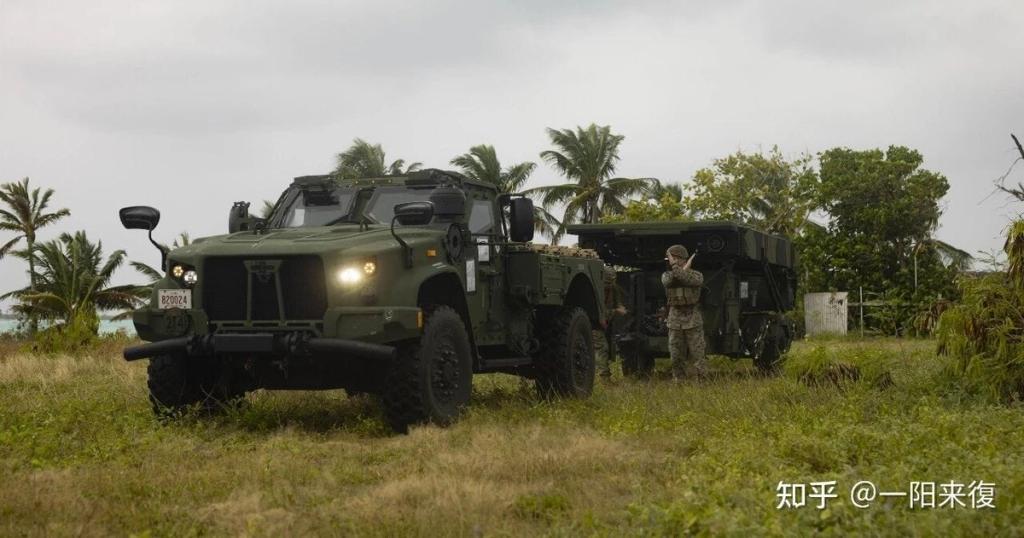
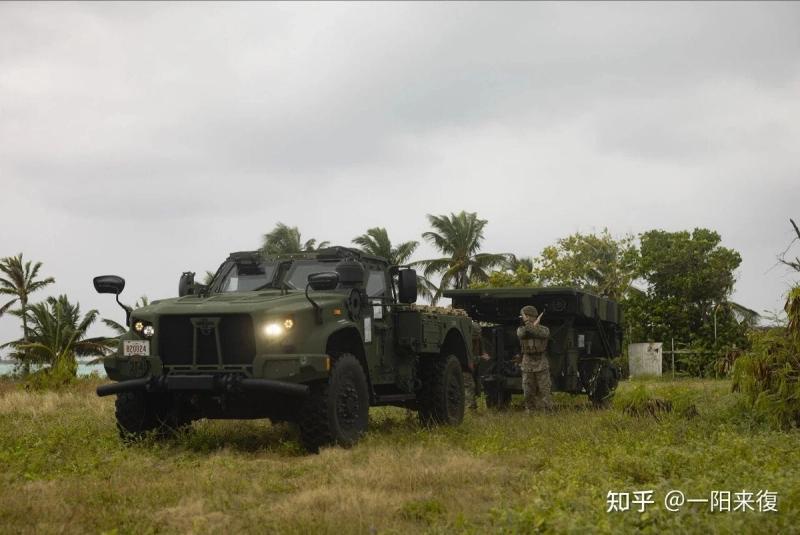
Is the conflict winding down or just getting started? On April 1, President Trump took to the airwaves to declare a “fast, decisive, and overwhelming victory” over Iran. He claimed that Iranian military and nuclear facilities had been heavily degraded. Less than 24 hours later, Tehran fired back with a chilling response, stating that the US and Israel are completely ignorant of Iran’s true strategic capabilities and vowing to fight until the enemy surrenders. Over on Chinese social media platform Zhihu, military analysts and financial watchers are cutting through the political rhetoric to see what is actually happening on the ground and in the markets.
The Market Meltdown
Trump’s national address was widely seen as an attempt to calm global markets and reassure his base that the Middle East situation was under control. It had the exact opposite effect. Analysts on Zhihu pointed out that market confidence absolutely collapsed after the speech. Instead of dropping, oil prices went on a massive tear, surging for 12 straight hours.
Financial commentators on Zhihu noted that investors are not buying the “total victory” narrative. The reality is that the Strait of Hormuz remains heavily contested, and Iran has plenty of firepower left to disrupt shipping. One popular comment joked that Washington and Tehran are acting like rival day traders, manipulating commodity futures with carefully timed press releases. Whenever the US tries to talk the price down, Iran fires a few more rockets to send oil and gold soaring again.
Whispers of a Ground War
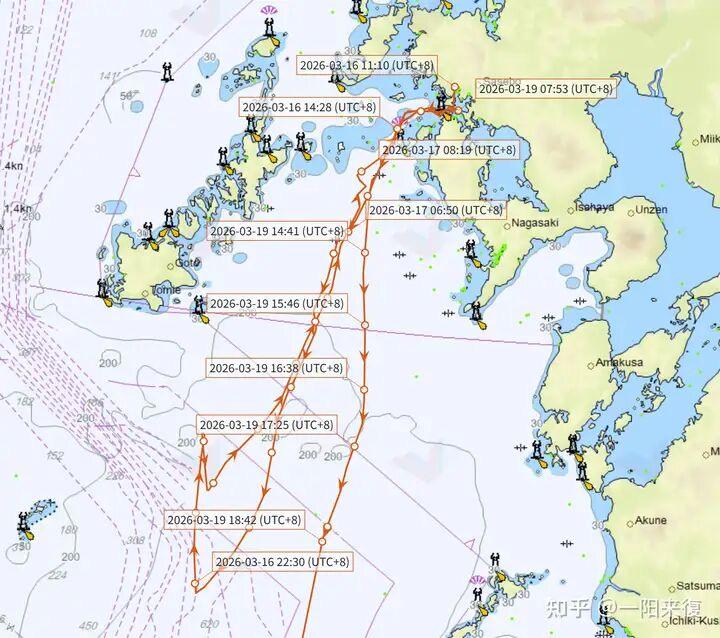
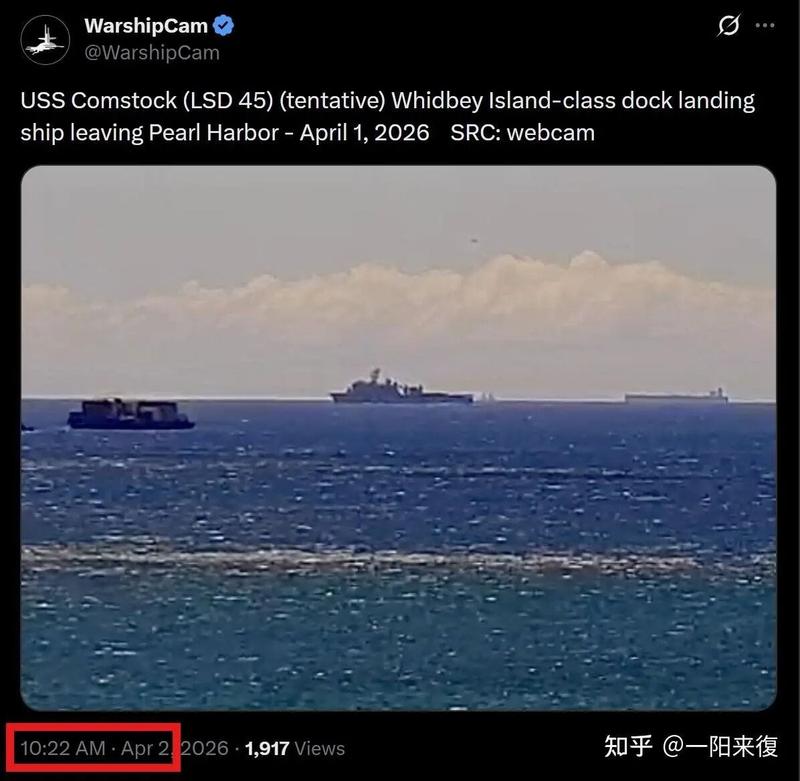
While the politicians exchange insults, the open source intelligence community in China is looking closely at satellite trackers and naval movements. Several Zhihu researchers have flagged highly unusual activity from US amphibious assault ships in the Pacific. Ships that were supposed to be on routine deployments have suddenly diverted course or spent abnormally long times docked at ports in Okinawa and Pearl Harbor.
The prevailing theory among Chinese military bloggers is that the US is quietly stripping resources from the Pacific to reinforce the Middle East. They speculate that specialized units, specifically Marine Littoral Regiments, are being loaded onto these ships along with heavy radar and air defense equipment. These units specialize in securing coastal areas and establishing forward operating bases. This has led to intense speculation that the US might be preparing for targeted ground incursions.
“Trump’s ‘victory’ speech sounded more like a politician backed into a corner by domestic anti war sentiment than a general who has actually won.”
The Unwinnable Strategy
Despite the massive movement of naval hardware, Chinese analysts remain highly skeptical of a successful US ground campaign. Taking a strategic location like Kharg Island might look good on television, but it offers zero strategic depth. American troops stationed there would be sitting ducks for Iranian artillery, and capturing an oil terminal is useless if Iran simply shuts off the pipeline valves from the mainland.
Similarly, the idea of sending special forces deep into Iranian territory to destroy hidden nuclear material is largely dismissed as a suicide mission. The consensus is that the two sides are locked in a high stakes game of political chicken. The US needs a quick, precise win to save face and bring gas prices down. Iran, on the other hand, is perfectly willing to absorb the damage and play the long game. As long as Iran can keep its basic agricultural economy functioning with Russian help, it can simply wait until the mounting financial and political costs force Washington to back away.

Source: https://www.zhihu.com/question/2023061688874706402
Curated and translated from Zhihu, China's largest Q&A platform.
Newsletter
Subscribe to The Expat Edit
Chinese perspectives on global events, wars, and great power competition. Curated from Zhihu.
Free. No spam. View on Substack →