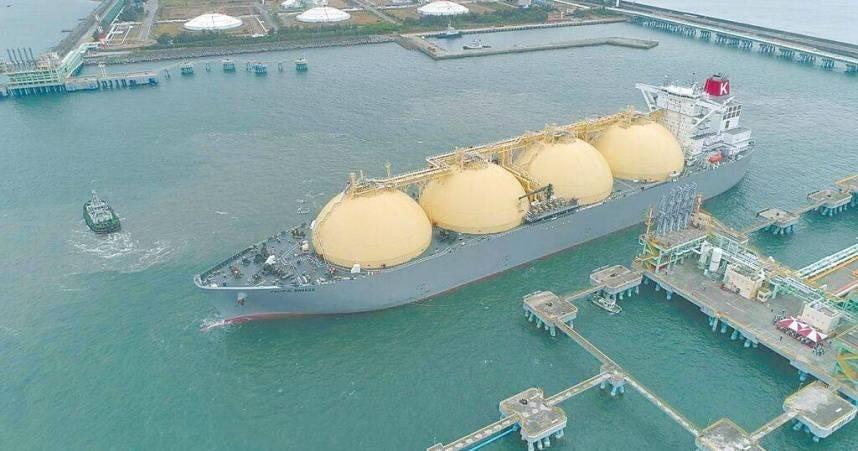
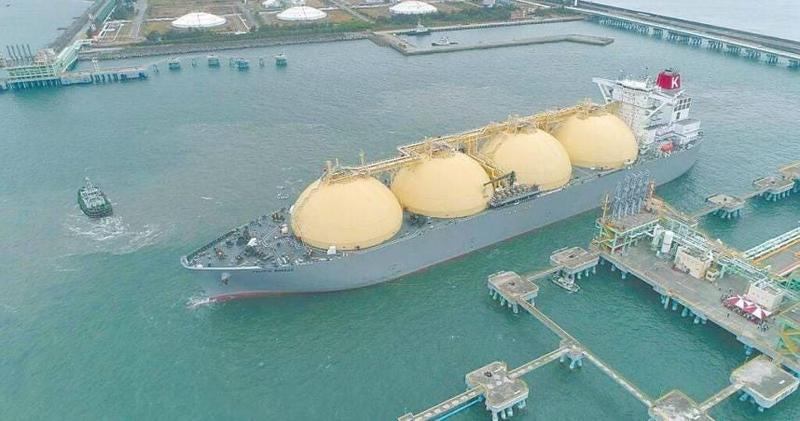
Global supply chains are rattling again, and this time the epicenter is the Taiwan Strait. As conflict in the Middle East chokes off international shipping routes, Taiwan is facing an unprecedented shortage of petroleum, natural gas, and raw plastics. While authorities in Taipei are trying to calm the public, Beijing just made a highly publicized offer to solve the crisis permanently. The condition? Peaceful reunification. But if you look at the reaction on the mainland internet, Chinese netizens have a much harsher strategy in mind.
The Plastic Panic and the Eight Day Window
To understand the leverage Beijing is utilizing, you have to look at the math. Taiwan imports virtually all of its energy. According to industry insiders quoted on Chinese social media platforms like Zhihu, Taiwan’s safe reserves of liquefied natural gas currently sit at a precarious eight to eleven days. The island relies heavily on Qatar for its supply, but recent drone strikes on energy facilities there have severely disrupted exports.
Thanks for reading Expat Edit! Subscribe for free to receive new posts and support my work.
The ripple effects are hitting consumers hard. The cost of raw materials for plastics has skyrocketed by nearly 50 percent in a single month, causing a strange phenomenon on the island known as the “plastic bag panic.” Small businesses are begging the local government to help them bulk purchase raw materials from the mainland just to keep factories running.
Beijing’s Conditional Promise
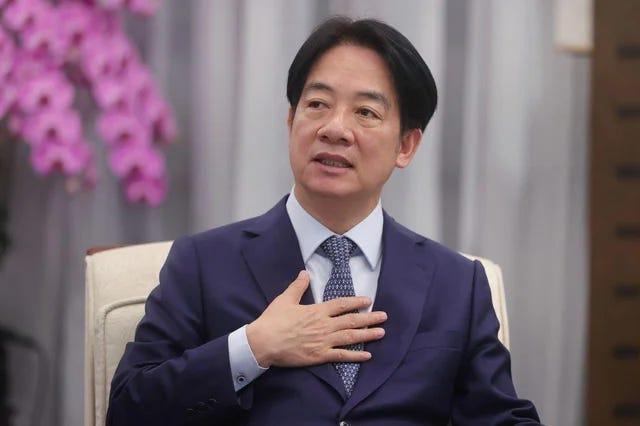
Sensing the vulnerability, the Taiwan Affairs Office in Beijing held a press conference on April 1 that immediately went viral. A spokesperson addressed the island’s shortages directly, calling Taipei’s reassurances a total deception of the public.
The official statement laid out a clear alternative. The spokesperson declared that after peaceful reunification, Taiwan would be fully integrated into the mainland’s massive industrial and energy grids. They promised that no matter how chaotic the external world gets, the mainland’s complete industrial system would provide a steady stream of oil, gas, and industrial materials. The message was unmistakable: return to the fold, and you will never have to worry about the lights going out again.
“Only in absolute despair will highly priced materials be seen as a lifesaving straw rather than a political conspiracy.”
The Voice of the Mainland Internet
While the official government tone focused on the benefits of future unity, mainland internet users took a much more pragmatic and ruthless stance. On the question-and-answer platform Zhihu, a thread discussing the government’s announcement garnered millions of views within hours. The most popular opinions argued that Beijing is actually showing its hand too early.
The top-voted geopolitical analysts on the platform suggested that the mainland should treat this strictly as a business opportunity rather than a charity mission. Commenters pointed out that Taiwan currently holds over 500 billion USD in foreign exchange reserves. Instead of offering discounts or free aid, they argued, mainland companies should sell spot-market energy to Taiwan at premium prices, demanding upfront cash.
The prevailing logic online is that making Taiwan burn through its cash reserves to keep its grid running is the ultimate leverage. Netizens believe that once the island’s residents face actual blackouts and inflated prices, the illusion of unwavering foreign support will shatter. Only then, commenters argue, will the people across the strait truly appreciate the value of integration with the mainland economy. It is a harsh perspective, but one that reflects growing impatience with standard diplomatic overtures among the mainland public.
Thanks for reading Expat Edit! Subscribe for free to receive new posts and support my work.
Enjoyed this article? Subscribe to The Expat Edit on Substack
Curated and translated from Zhihu, China's largest Q&A platform.
Newsletter
Subscribe to The Expat Edit
Chinese perspectives on global events, wars, and great power competition. Curated from Zhihu.
Free. No spam. View on Substack →