
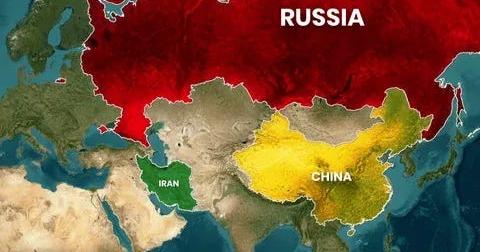
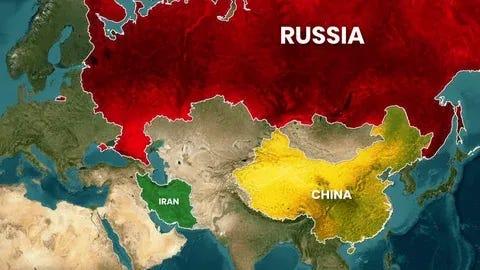
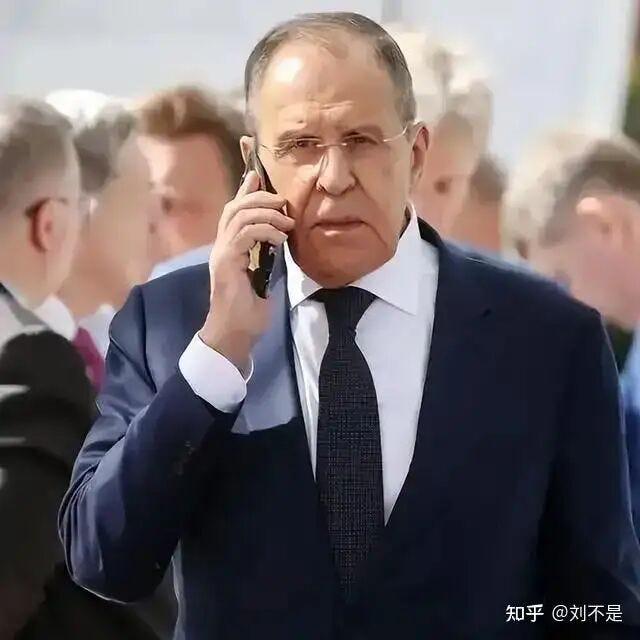
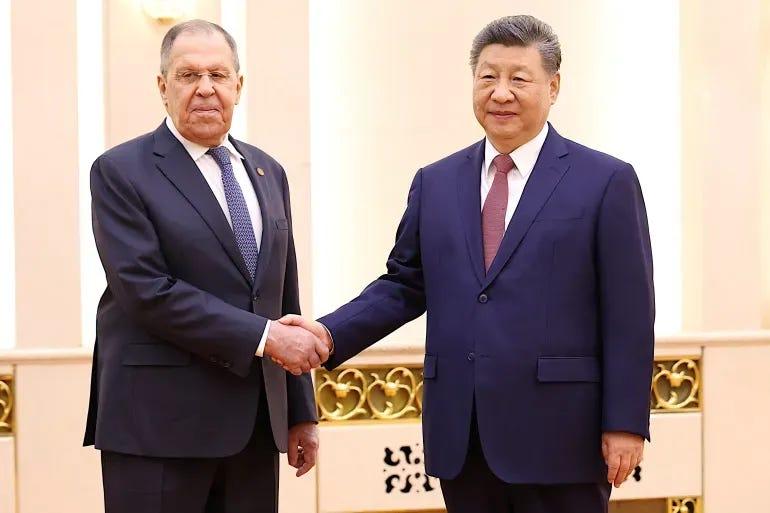
Russian Foreign Minister Sergey Lavrov arrived in Beijing on April 14 for two days of intense high-level meetings. Coming right on the heels of collapsed negotiations between the US and Iran, the visit has set the Chinese internet ablaze. With global conflicts escalating, Zhihu commenters are dissecting every handshake to figure out how Beijing and Moscow plan to counter Western pressure and reshape the geopolitical map.
The Middle East Vacuum
Zhihu commenters note that the timing of this visit is highly sensitive. Following the breakdown of US diplomatic efforts with Iran and escalating regional tensions, users feel Washington has lost its grip. Some threads express deep anxiety over extreme measures being considered in the region, including the terrifying prospect of nuclear threats from Israel.
Commenters suggest that Beijing and Moscow are stepping in to provide stability. They believe the two powers are coordinating to prevent an all-out regional war, secure crucial energy supply routes, and present a united front against unilateral sanctions.
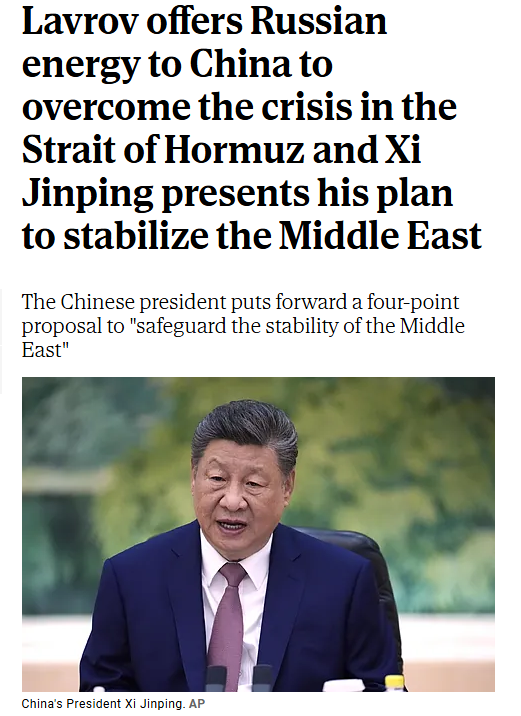
Paving the Way for Putin
Many top analysts on Zhihu view this trip as a preparatory mission for Russian President Vladimir Putin to visit later this year. The discussions are heavily focused on practical economics. Users are closely watching the progress of the Power of Siberia 2 natural gas pipeline.
As Western sanctions continue to bite, Russia needs to secure long-term buyers, and China needs guaranteed energy security during uncertain times. Netizens also point out the rapid acceleration of local currency settlements, viewing it as a direct challenge to the dominance of the US dollar.
The European Wildcard
Not all attention is focused on the Middle East. A prominent thread on Zhihu highlights sudden political shifts in Europe, specifically referencing the electoral defeat of Hungary’s Viktor Orban. Commenters argue that losing a disruptive voice within the EU means Europe will likely align closer to US interests in the ongoing Ukraine conflict.
For Beijing, this changing tide means that stabilizing the partnership with Moscow is no longer just an option but an absolute necessity. Readers believe China is preparing for a much more unified and aggressive Western front.
“China and Russia are not forming a traditional military alliance. Instead, they are standing back to back to survive an increasingly volatile global arena.”
A Multipolar Reality
Ultimately, the mood on the Chinese internet is a mix of caution and ambition. Users recognize that global risks are at historic highs. Yet there is a prevailing sentiment that China is successfully navigating the storm.
By maintaining strategic autonomy and refusing to be drawn into proxy wars, Beijing is positioning itself as a pragmatic mediator. As one user noted, the primary goal is not to conquer the world but to ensure a stable multipolar environment where domestic economic development can continue uninterrupted.
Curated and translated from Zhihu, China's largest Q&A platform.
Newsletter
Subscribe to The Expat Edit
Chinese perspectives on global events, wars, and great power competition. Curated from Zhihu.
Free. No spam. View on Substack →