
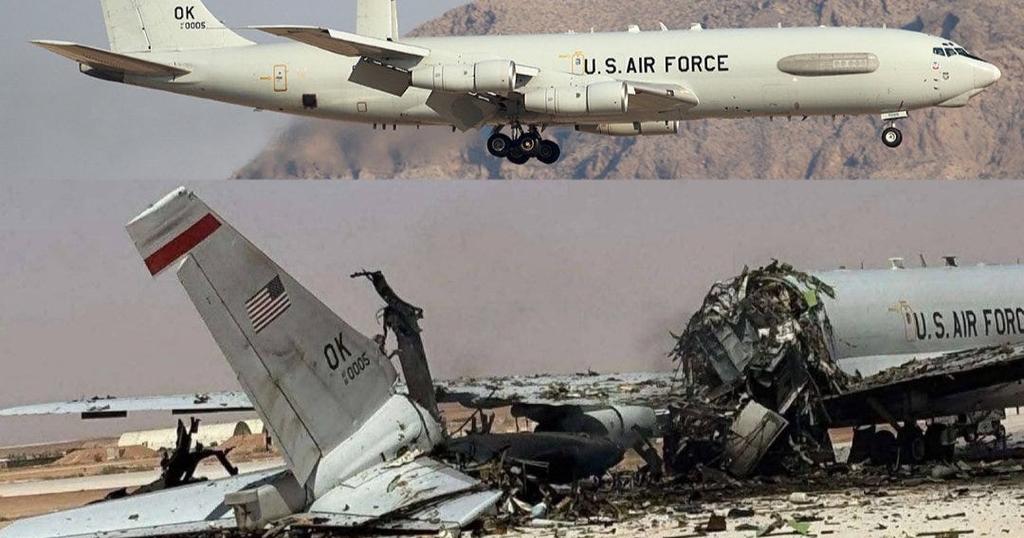
One month into the military campaign against Iran, the anticipation of a swift and decisive victory has largely evaporated. In its place is a complex war of attrition that is testing the limits of Western military doctrine, straining diplomatic alliances, and threatening to destabilize the global economy. As the conflict stretches into its fifth week, military strategists and economic analysts alike are beginning to recognize that the greatest casualty of this war may not be military hardware, but the foundational pillars of American geopolitical and financial supremacy.
The initial phases of the conflict were marked by confident ultimatums regarding the destruction of critical Iranian infrastructure. Threats were directed at power plants, desalination facilities, and oil refineries. Yet the strategic reality on the ground has proven far more complicated. Iran, a vast nation with substantial strategic depth, has demonstrated a capacity to absorb significant damage while maintaining a formidable asymmetrical response.
The warfare of the 21st century looks remarkably different from the heavy armor and aircraft carrier groupings that defined previous eras. Modern conflicts are increasingly dictated by precise ballistic missiles and inexpensive drones. The vulnerability of traditional, multi-million dollar military assets has been laid bare. Reports of damage to vital early warning aircraft and crucial aerial refueling tankers highlight a troubling shift in the balance of power. The United States and its allies find themselves depleting highly expensive, sophisticated interceptor stockpiles at an unsustainable rate to counter much cheaper offensive capabilities.
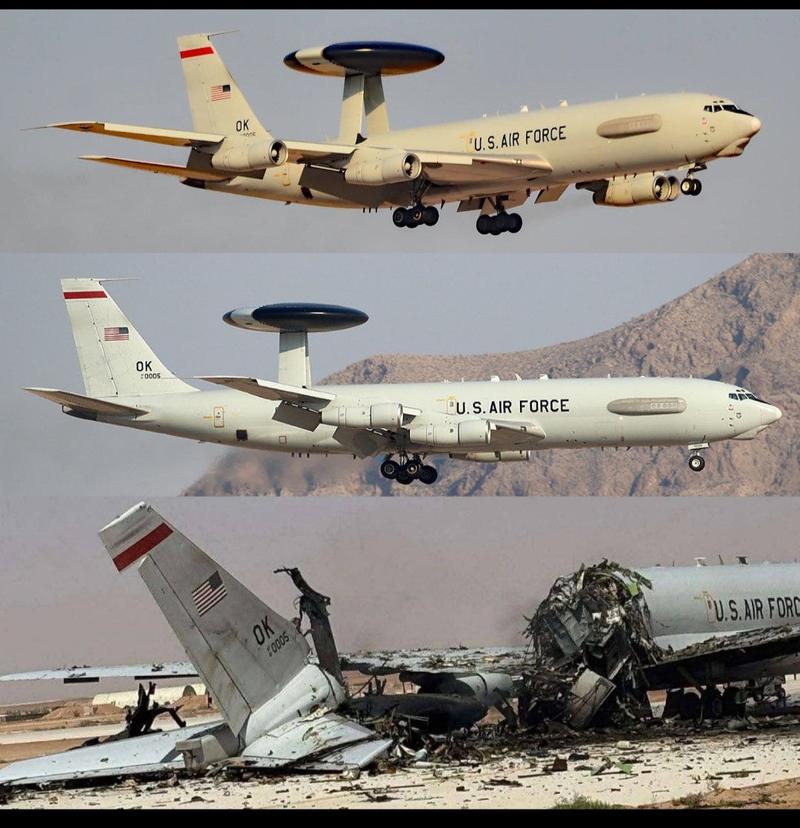
This shifting dynamic is not lost on regional observers. The Gulf nations, deeply aware of their own infrastructural fragilities, may be reconsidering their allegiances. Qatar has formally declared neutrality, explicitly barring the use of its territory for strikes against Iran. This localized pivot reflects a growing recognition that Western military deterrence is no longer an absolute guarantee of regional security.
Back in Washington, the pressure for a tangible victory is mounting. The domestic political apparatus historically favors telegenic, highly publicized military successes. President Trump is toying with the idea of a daring, high-stakes special operation in an attempt to manufacture a “mission accomplished” moment. Proposals ranging from the seizure of strategic islands to a special operation “to get the uranium” speak to a growing political desperation. Yet defense analysts routinely dismiss these concepts as logistically unfeasible and strategically hollow. Seizing an island, for instance, does not neutralize a nation with hundreds of miles of mountainous coastline and an expansive arsenal of mobile missile launchers.
Beneath the tactical military struggles lies an even more severe threat to domestic stability. A profound economic shock is currently rippling through global supply chains. While the United States produces enough oil to be considered nominally energy independent, it is entirely tethered to the global pricing market. Furthermore, the American economy possesses a uniquely high index of oil sensitivity. The nation requires significantly more energy per capita to function than its European or Asian counterparts. As the cost of crude oil begins its inevitable upward trajectory, the financial pain will be felt acutely by the American consumer at the gas pump and the grocery store.
The convergence of military overextension and economic vulnerability points toward a larger structural crisis for the United States. For decades, American foreign policy has been insulated by the unique privilege of the dollar serving as the world’s reserve currency. This status has allowed consecutive administrations to finance multi-trillion-dollar foreign interventions without requiring immediate tax increases or facing the full brunt of domestic inflation.
However, the current crisis threatens to fracture this long-standing financial paradigm. A perceived inability to protect critical overseas assets, combined with a ballooning national debt nearing forty trillion dollars, is prompting international markets to reconsider the stability of the dollar. A weaponized financial system that relies on constant sanctions and tariffs eventually incentivizes other nations to seek alternative mediums of exchange.
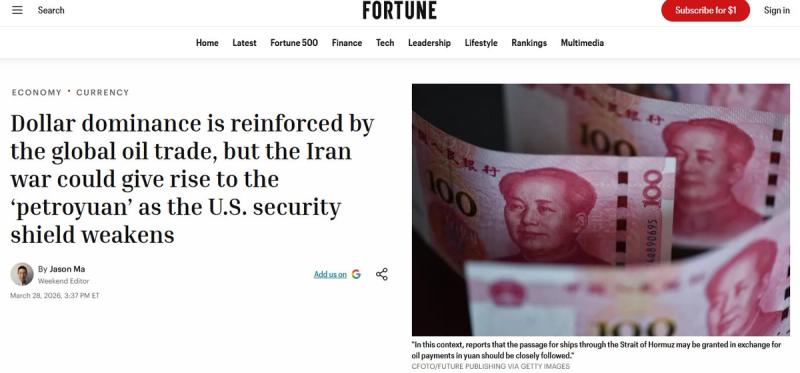
If the dollar were to lose its exclusive reserve status, the immediate economic consequences would be severe. Hyperinflation and a drastic reduction in purchasing power would be a genuine risk. Yet some economists argue that such a disruption could ultimately force a necessary fiscal reckoning. Stripped of the ability to effortlessly export inflation, the government would be compelled to balance its budget, revitalize domestic manufacturing, and fundamentally scale back its expansive overseas military footprint.
The ongoing war with Iran has evolved far beyond a regional dispute. It has become a stress test for the American empire. As the conflict drags on, the vulnerabilities of an outdated military doctrine and an overleveraged economy are becoming impossible to ignore. Policymakers are now facing a stark reality. The era of unquestioned global hegemony may be drawing to a close, and the decisions made in the coming weeks will determine how painful that transition will be.
Listen to CATR on:
Newsletter
Subscribe to Conversations Among the Ruins
Long-form geopolitics and the decline of the unipolar world order. New episodes straight to your inbox.
Free. No spam. View on Substack →
Reader-funded
This is independent, long-form work.
Conversations Among the Ruins is written, not repackaged, and it stays free because readers choose to fund it. If it is worth your time, a paid subscription or a one-off tip keeps it going.
Become a supporter →