
There are moments in history when a great power discovers, all at once, that its assumptions have expired.
Not its rhetoric. Not its budget. Its assumptions.
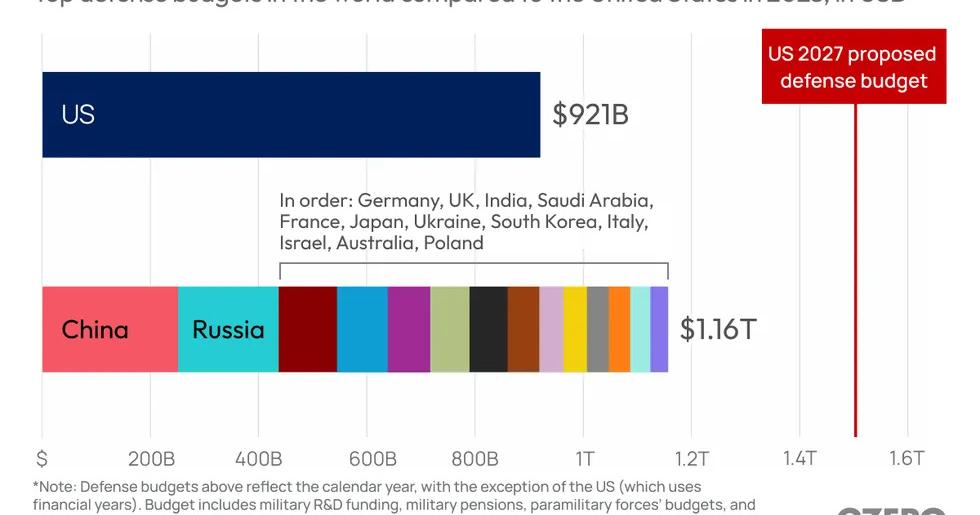
For decades, Washington has operated on the belief that overwhelming expenditure, global basing, and technological prestige were enough to guarantee military primacy. The United States could decide that a region mattered, move forces into position, and shape outcomes by some combination of coercion, bombing, and diplomatic pressure. Even where wars turned into political disasters, the underlying premise of military superiority remained largely untouched.
That premise is now under strain.
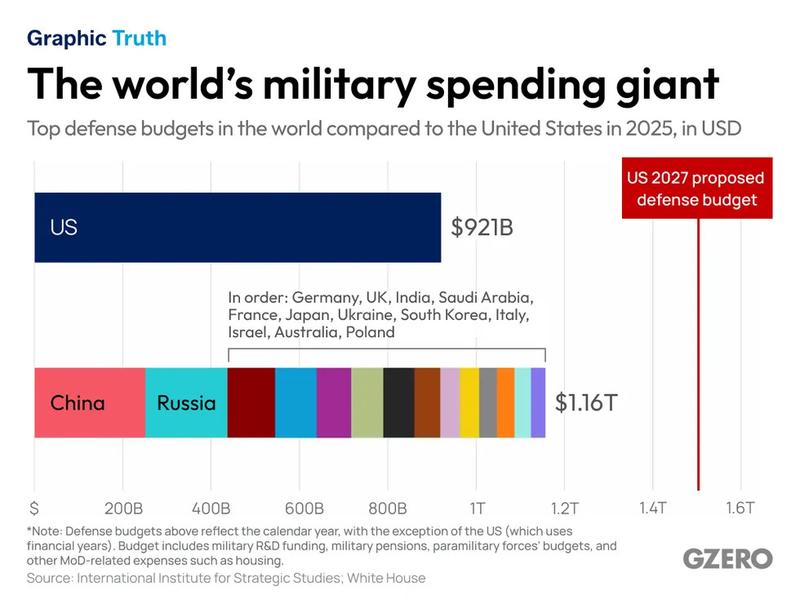
The confrontation with Iran has exposed a possibility that Washington has spent years trying not to confront: that the American military machine, magnificent on paper and lavishly funded in practice, may be poorly suited to the kind of war it is most likely to face. Not a war against a shattered state. Not a campaign against insurgents with no air defenses and no industrial base. A modern regional war in which missiles, drones, dispersed infrastructure, and economic chokepoints can neutralize the old rituals of power projection.
This is what it means to bring a 20th century military to a 21st century war.
The United States still possesses an extraordinary destructive capacity. It can obliterate buildings, cripple civilian infrastructure, and inflict tremendous suffering from the air. No serious person should minimize that fact. In any renewed war, Iran would absorb real damage. Power plants, transport nodes, industrial sites, and population centers would all be at risk. American force is still force.
But destruction is not strategy. And the ability to punish is not the same as the ability to prevail.
That distinction has become harder to hide. In Iraq, the United States toppled a government with spectacular speed, only to lose the political meaning of its own victory in the years that followed. In Afghanistan, it could occupy but not transform. Those were strategic failures, but they did not completely erase the aura of military dominance. The machinery still looked overwhelming.
What is different now is the emerging sense that the machinery itself may no longer function as advertised in a confrontation with a capable regional state. Bases once assumed to be secure now look vulnerable. Naval power, once expected to deter, now appears constrained by stand-off realities. Munitions stockpiles matter in new ways when a war demands sustained performance rather than brief displays of force. A fleet is less imposing when it cannot safely approach. A base network is less useful when it becomes a target array.
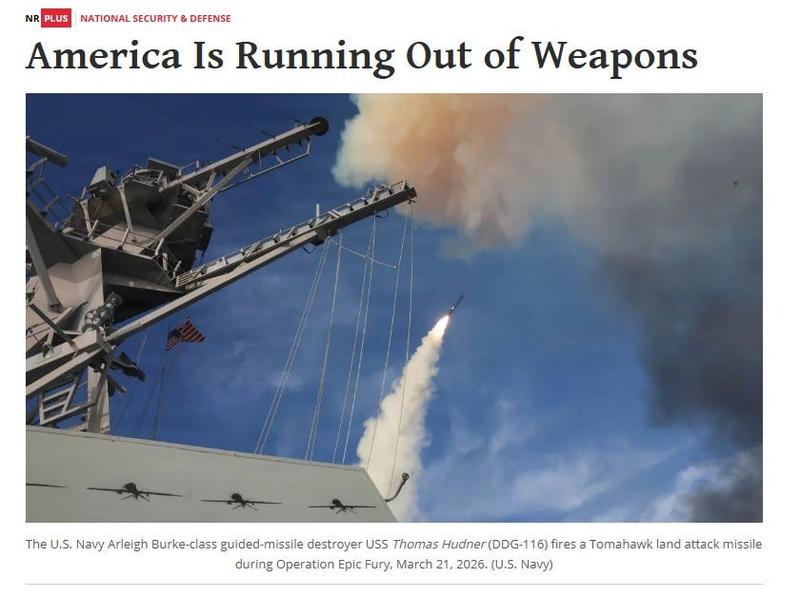
The old grammar of American war assumed sanctuary and proximity. The new battlefield offers neither.
This is why official statements have taken on such a defensive tone. When policymakers begin speaking not of remaking the strategic landscape but simply of reopening the Strait of Hormuz, they are not demonstrating command of events. They are revealing how far expectations have fallen. The objective narrows because the available leverage has narrowed with it.
Yet even that reduced goal may be harder to achieve than Washington admits.
The Strait is not a symbolic waterway. It is one of the most important arteries in the world economy. Energy flows through it. So do the assumptions that underpin shipping schedules, insurance rates, commodity pricing, and investor confidence. Disruption there is not a regional headache. It is a transmission mechanism for worldwide disorder.
Oil prices respond first, but they do not respond alone. Gas markets tighten. Fertilizer costs climb. Industrial supply chains seize. Transportation costs rise. Inflationary pressure spreads into countries far from the Persian Gulf, including those with little direct role in the conflict. A prolonged crisis in the Strait is not merely an energy problem. It is a multiplier of fragility for an already brittle global economy.
This is why delay is so dangerous.
The present temptation in Washington appears to be neither decisive withdrawal nor full escalation, but improvisation. A limited operation here. A new declaration there. A burst of triumphant messaging intended to reassure markets, discipline media coverage, and create the impression that initiative remains in American hands. If a military move does not alter facts on the ground, perhaps it can at least alter the narrative.
But narratives have a short shelf life when freight costs rise, shipping slows, and markets begin pricing in persistent reality. The world economy is not governed by press releases. It responds to what can move, what can be insured, and what can be delivered.
A superpower can bluff for a while. It cannot bluff a supply chain forever.
There is another illusion embedded in the present crisis, and it concerns the nature of American alliances. In much of the Western imagination, Israel still appears to sit atop an unshakable pyramid of backing from the United States and Europe. But this notion confuses diplomatic reflex with actual strategic weight. Support from London, Berlin, or Paris may still matter politically and financially, but it does not alter the central military fact. The states presumed to be “with” Israel are not necessarily capable of changing the battlefield in Israel’s favor.
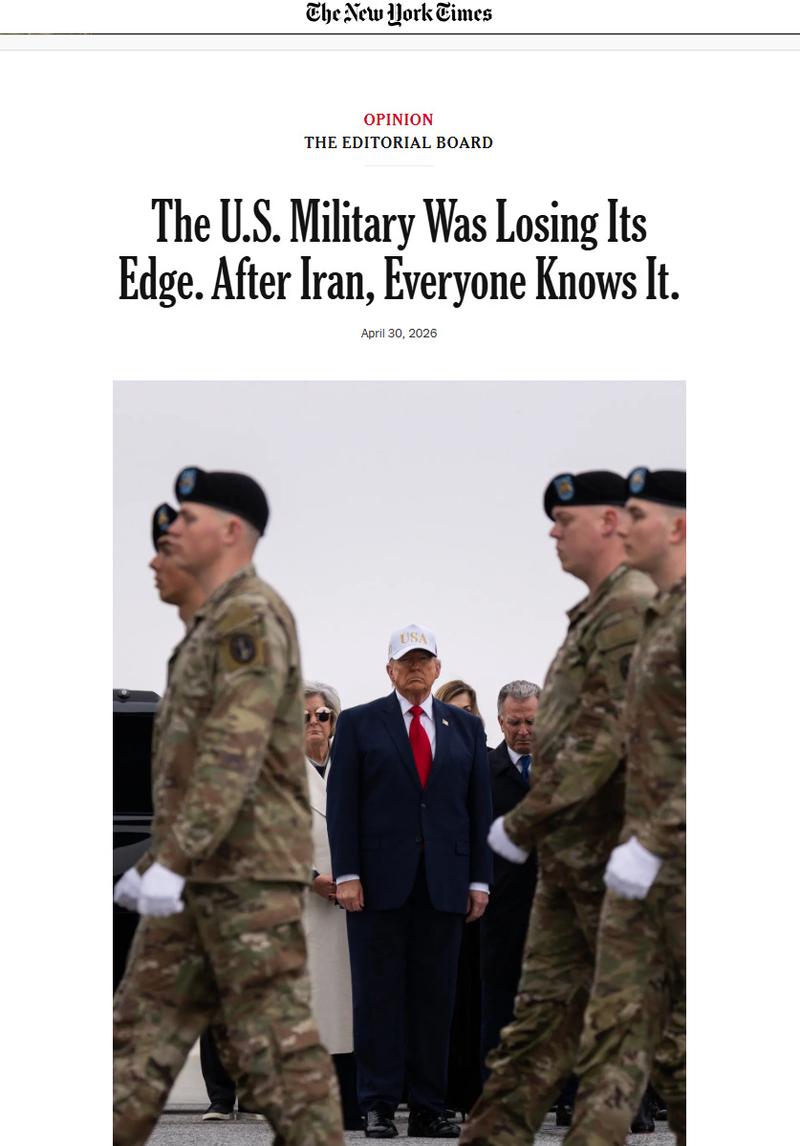
And while Washington still matters enormously, it now matters under conditions of visible limitation. That is precisely what makes the crisis so combustible. Israel may believe it has the backing of the most powerful governments on earth. But what if those governments are weaker, more constrained, and less competent than advertised? What if support exists in rhetoric and finance but not in the form that would decide a war?
In that case, strategic confidence turns into strategic delusion.
Meanwhile, Iran is not isolated in the simplistic way Western commentary often implies. It exists within a larger geopolitical environment in which China and Russia have their own interests, their own calculations, and their own reasons to prevent a regional war from spiraling into a global economic shock. Neither power needs to enter the conflict directly to shape it. Diplomatic guarantees, economic coordination, sanctions evasion, supply arrangements, and behind-the-scenes signaling can all alter the balance of confidence and endurance.
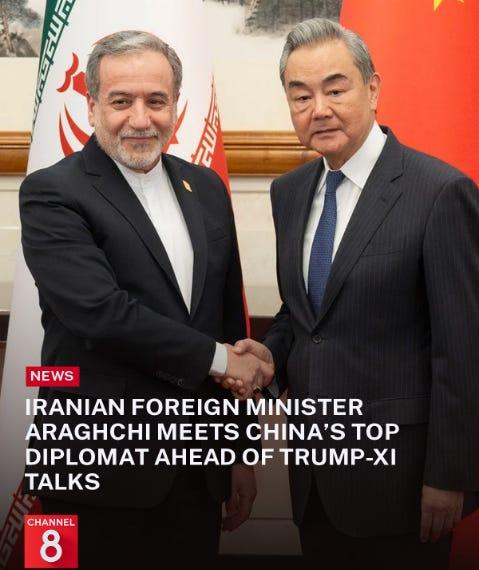
That matters because this confrontation is not unfolding in the unipolar world of the 1990s. It is unfolding in a fractured system where American pressure still carries immense force, but no longer enjoys automatic supremacy.
That is the deeper significance of the current moment. The crisis is not only about whether the United States can strike Iran or defend its regional posture. It is about whether the architecture of American power still performs the task for which it was built. If it cannot secure nearby bases, if it cannot safely dominate local waters, if it cannot compel outcomes without triggering wider economic breakdown, then the question is larger than any single operation. It is civilizational in scope. It concerns the end of a way of thinking.
Great powers often take the longest to recognize the world they themselves no longer control. Institutions built in one era continue speaking the language of another. Generals prepare for prestige wars. Politicians invoke credibility. Television still treats force as a switch that can be flipped. But reality accumulates quietly until the old script becomes impossible to perform.
That may be where Washington is now. Not yet at acceptance, but beyond denial.
The danger is that leaders who cannot admit diminished power may choose to drift instead. They may postpone decisions, oscillate between threats and gestures, and hope that time relieves them of responsibility. It will not. Time in a crisis like this does not heal. It compounds. Every day of unresolved confrontation deepens market stress, weakens confidence, and invites other powers to broker arrangements that bypass the United States altogether.
That may be the most consequential prospect of all. If Washington cannot stabilize the situation it helped create, others eventually will attempt to do so, not out of benevolence but out of necessity. The resulting order may be less American, less deferential, and far less forgiving.
Empires do not usually announce their limitations. They discover them in the field, then deny them in public, then pay for them in history.
The world is now watching to see which stage comes next.
Listen to CATR on:
Newsletter
Subscribe to Conversations Among the Ruins
Long-form geopolitics and the decline of the unipolar world order. New episodes straight to your inbox.
Free. No spam. View on Substack →
Reader-funded
This is independent, long-form work.
Conversations Among the Ruins is written, not repackaged, and it stays free because readers choose to fund it. If it is worth your time, a paid subscription or a one-off tip keeps it going.
Become a supporter →