
The Outsourcing Trap
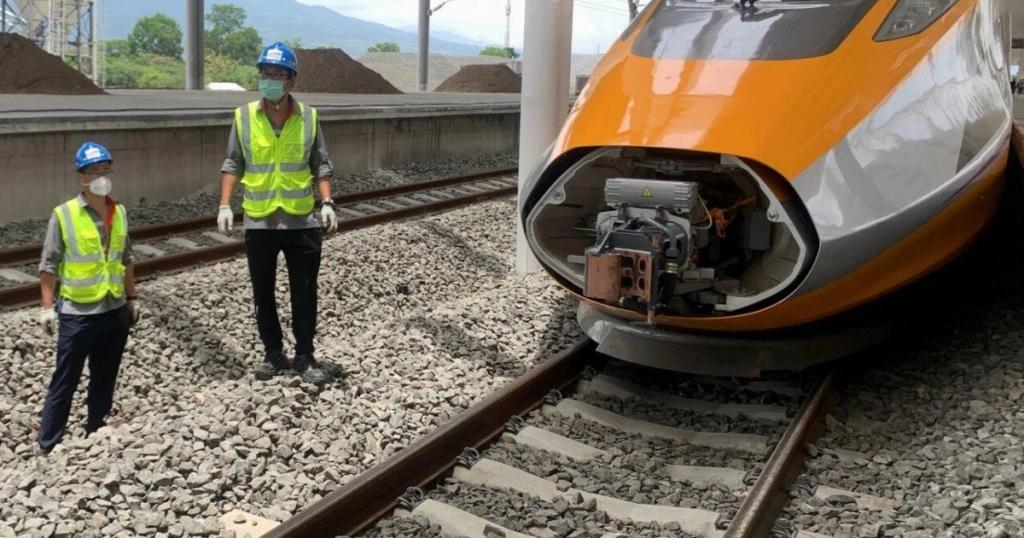
To understand how this operation works, you have to look past the uniform. Many job seekers assume that working at a high speed rail station means they are directly employed by the state railway system. They believe they are stepping into a modern “iron rice bowl” that offers lifelong stability and generous benefits.
In reality, railway bureaus frequently outsource security and cleaning duties to private security firms through competitive bidding. To win these lucrative contracts, private firms bid incredibly low. Once they secure the contract, the only way to maintain a profit margin is to ruthlessly squeeze labor costs. A monthly salary of 1,750 RMB is often the absolute legal minimum wage allowed in that specific region. To maximize the output of each worker, companies implement complex scheduling systems that classify hours of the day as “standby time” to avoid paying overtime, resulting in exhausting workdays.
A Perfect Legal Loophole
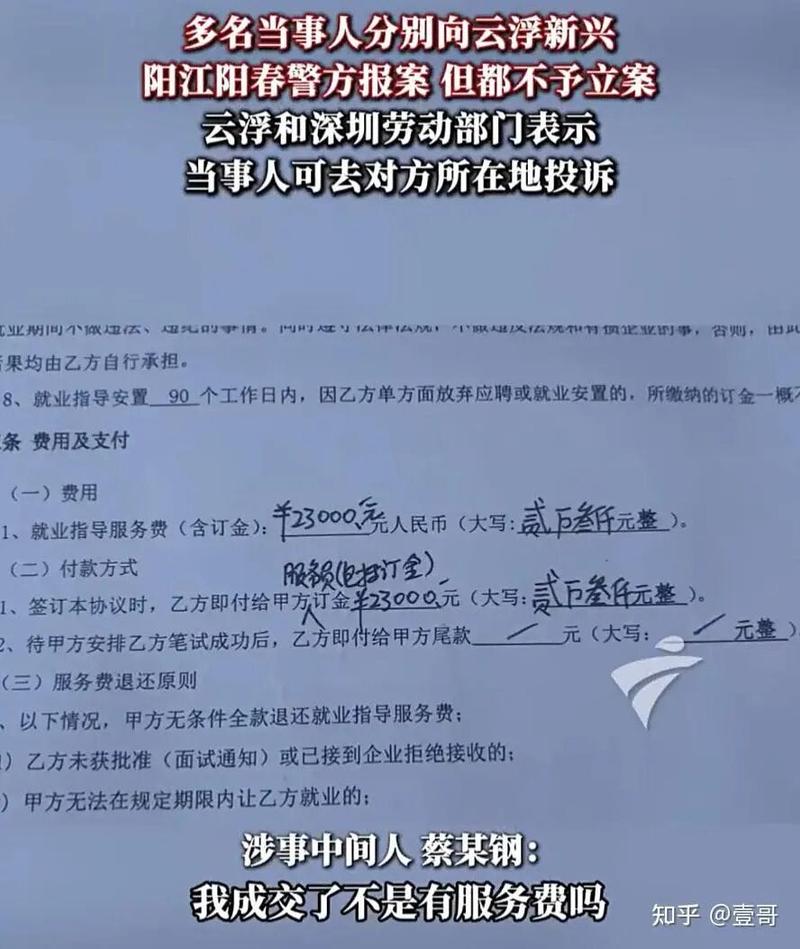
When workers realized they were spending 16 hours a day for pennies, many quite naturally felt defrauded. They went to the local police in places like Yangchun and Yunfu to report the middlemen for fraud. However, the police declined to open criminal investigations. This is the most frustrating and legally bulletproof aspect of the entire scheme.
Under the law, criminal fraud requires the perpetrator to fabricate facts or conceal the truth with the intent to illegally occupy someone else’s property. In this scenario, the middleman promised to use their fee to get the victim a job as a security guard at the high speed rail station. The job seeker paid the money, put on a uniform, and actually began working at the station. Because the middleman technically delivered on the core promise of providing the job, it does not constitute criminal fraud. The dismal pay and horrific hours are legally considered a civil labor dispute between the worker and the outsourcing company.
“It is a highly mature commercial harvesting model. The brokers know exactly how to manipulate human weakness while staying just inside the bounds of the law.”
The Psychology of the Scam
Why would anyone pay such an absurd amount of money for a low level job? The answer lies in information asymmetry and deep seated cultural anxieties. In smaller tier cities, finding decent work is incredibly difficult. When a well connected middleman appears and suggests that a bribe can secure a state affiliated position, desperate parents and young job seekers often jump at the chance.

Many families still operate under the traditional belief that paying for connections is just how society works. They view the 28,000 RMB not as a scam, but as a necessary investment for a prestigious title that they can brag about to relatives. Middlemen lean into this by blurring the lines between a direct hire and a dispatched contract worker. Sometimes they even string workers along by claiming they need to keep their heads down as temporary workers for a year before they can be officially converted to state employees.
By the time the worker realizes the permanent contract is a mirage, the broker is long gone and the worker has wasted months of their life. As long as the broader job market remains tight and the allure of a state backed title persists, these brokers will continue to find willing participants ready to pay for an illusion.

Story source: https://www.zhihu.com/question/2022478727649529998
Curated and translated from Zhihu, China's largest Q&A platform.
Newsletter
Subscribe to The Expat Edit
Chinese perspectives on global events, wars, and great power competition. Curated from Zhihu.
Free. No spam. View on Substack →