
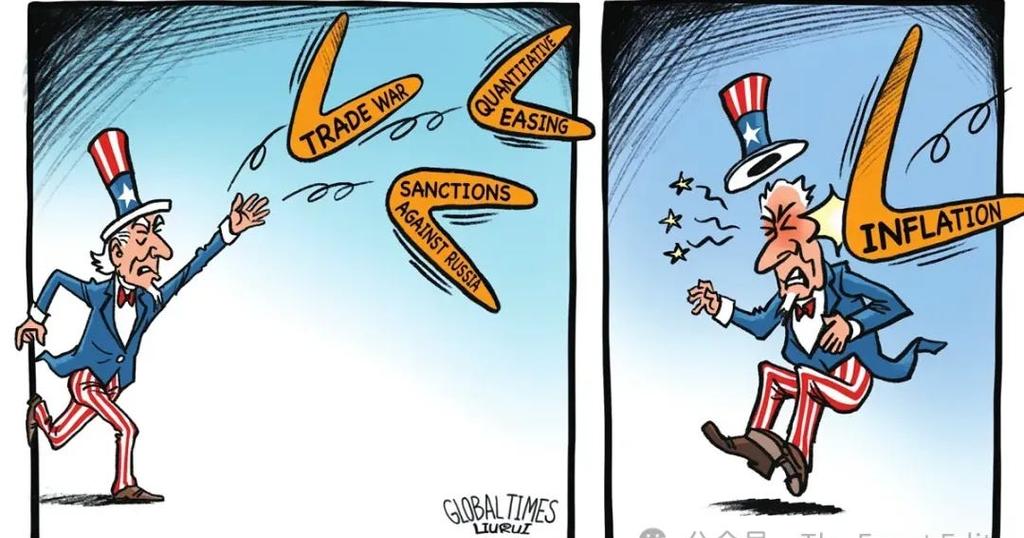
Washington says it is launching a new phase of economic warfare against Iran, targeting aviation, gold, shipping, digital assets, and tech while threatening anyone who helps Tehran stay plugged into global trade. The language was dramatic. US Treasury Secretary Scott Bessent said America aims to cut off Iran’s “entire economic lifeline.” But behind the headline, the real question is much simpler: can the US still fully isolate a country when much of the world no longer wants to play along?
What Washington Actually Announced
Thanks for reading Silk & Steel! Subscribe for free to receive new posts and support my work.
On August 24 Washington expanded sanctions on Iran into five fresh areas: aviation, digital assets, gold, shipping, and technology. It also suspended some Iran-related licenses involving educational services, personal remittances, sports, and academic exchanges. Around 60 Iran-linked entities, individuals, and vessels were reportedly added to the sanctions list, covering sectors tied to oil trade, cyber operations, and missile or nuclear-related activity.
The bigger threat was secondary sanctions. In plain English, the US is warning other countries and companies that doing business with Iran could cost them access to the dollar system. That matters because dollar clearing remains one of Washington’s most powerful pressure tools. Still, announcing a threat and successfully enforcing it across multiple countries are two very different things.

Iran Is Not Trading in a Vacuum
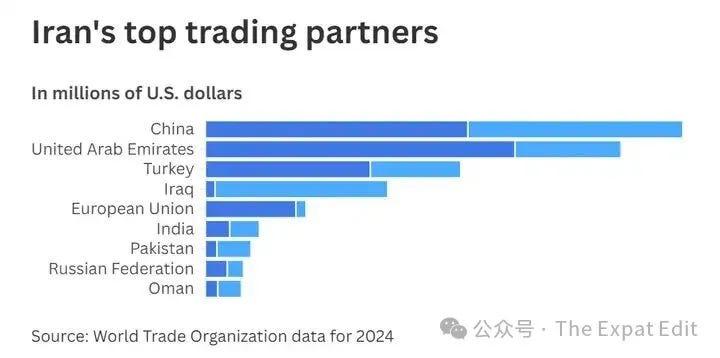
One reason many Chinese commentators are skeptical is simple: Iran still has trading partners. China remains its biggest commercial counterpart, followed by the UAE, Turkey, Iraq, the European Union, India, Pakistan, Russia, and Oman. That list matters. It shows Iran is not some isolated island economy waiting for one final switch to be turned off.
Even if some channels narrow, trade can reroute. Oil can move through intermediaries. Payments can shift into non-dollar systems, barter structures, local currencies, or opaque shipping networks. None of that is frictionless, but Iran has been living under sanctions pressure since 1979. Survival under restrictions is not new for Tehran. In many ways, it is the system Iran knows best.
The China Problem for US Sanctions
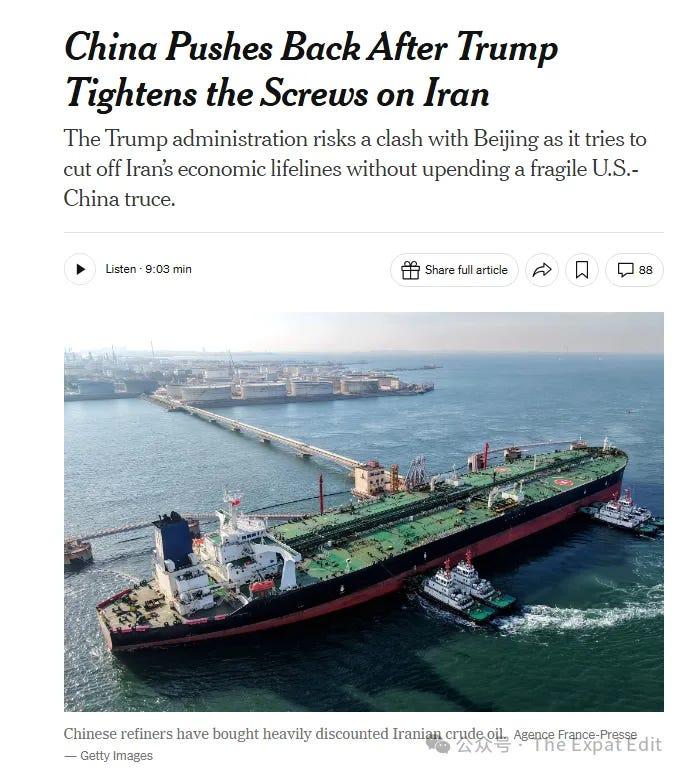
If this campaign is meant to truly squeeze Iran, then China is the central problem for Washington. Chinese refiners have bought heavily discounted Iranian crude for years, and Beijing has shown little appetite for accepting American demands on who it can or cannot trade with. That does not mean China will loudly defy every measure. It does mean the US cannot assume automatic compliance.
This is why some observers see the latest US move as more political theater than instant economic knockout. Secondary sanctions work best when allies, banks, insurers, and shippers all move in the same direction. But the international environment in 2026 is far messier. Russia has already pushed many states to think harder about sanctions resilience. BRICS payment alternatives, non-dollar settlements, and fragmented logistics networks may be imperfect, but they make total isolation harder than it once was.
“The US can raise the cost of doing business with Iran. Cutting every single lifeline is a much taller order.”
Iran’s Response Was Predictable, but Not Pointless
Iranian officials responded quickly and with familiar defiance. President Pezeshkian said US bullying would only complicate matters. Senior aides and ministers insisted Iran had prepared for new sanctions and rejected the idea that America could completely sever its financial and trade links. Some of that is standard political messaging. Some of it also reflects a basic reality: sanctions can hurt badly without achieving total strategic collapse.
That distinction matters. Washington does not necessarily need perfect enforcement to create pain. Harder shipping, riskier payments, fewer insurers, and reduced legal trade channels all raise transaction costs. Iran can survive that, but survival is not the same as comfort. So the new measures may not strangle Iran, yet they can still make everyday economic life more expensive and unstable.
There Is Also an American Limit
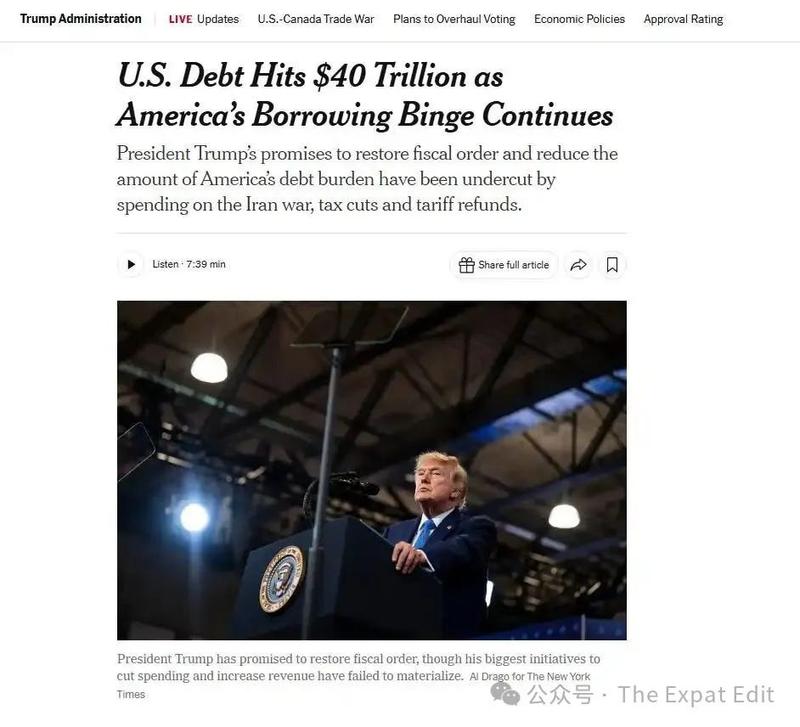
Another reason the “total isolation” line is being doubted is that sanctions also come with costs for the country wielding them. The US is already dealing with debt pressure, market nerves, and a foreign policy environment where overuse of financial coercion can push others to diversify away from the dollar faster. The more often Washington threatens to weaponize the global financial system, the more incentive others have to build workarounds.
That does not mean the dollar is suddenly finished. It does mean the fear factor is not as absolute as it once was. And if major states decide that access to Iranian energy, regional influence, or strategic autonomy matters more than obeying US pressure, then enforcement becomes a geopolitical contest, not just a legal one.
So, Can the US Cut Off Iran’s “Entire Economic Lifeline”?
Probably not in the absolute sense. It can damage, disrupt, delay, and deter. It can scare smaller players away. It can raise the cost of financing, shipping, and settlement. It can make Iran lean even harder on a smaller circle of partners. But “complete isolation” is a maximalist slogan, not a likely outcome.
The deeper story here is not just about Iran. It is about whether the US still has the power to enforce global economic discipline the way it once did. Iran may be the immediate target, but China, alternative payment systems, and a more fragmented world are the real backdrop. In that world, sanctions still bite. They just do not always decide the war.
Thanks for reading Silk & Steel! Subscribe for free to receive new posts and support my work.
Curated and translated from Zhihu, China's largest Q&A platform.
Newsletter
Subscribe to The Expat Edit
Chinese perspectives on global events, wars, and great power competition. Curated from Zhihu.
Free. No spam. View on Substack →