
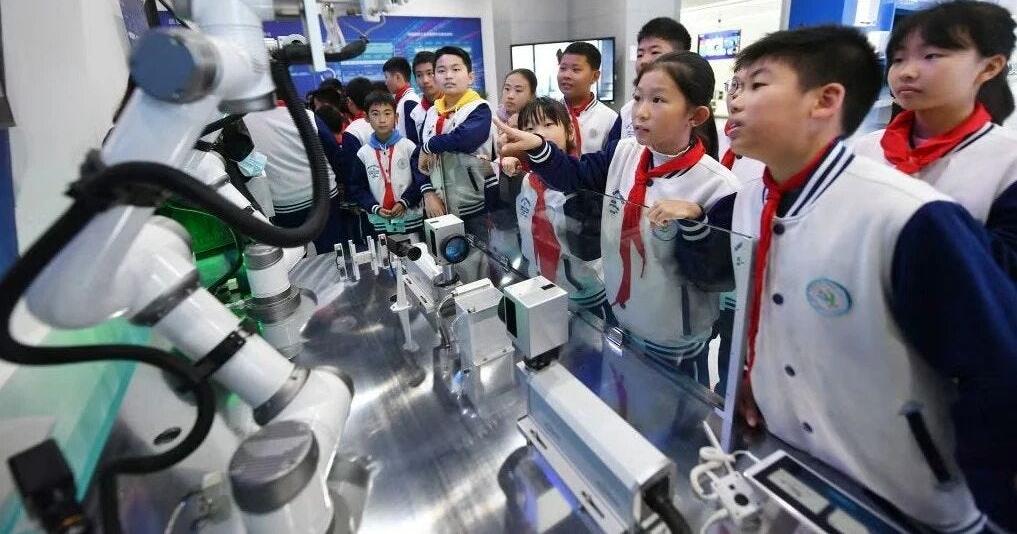
A deeply resonant Zhihu thread this week captured a mood that feels unmistakably 2026: if AI is the next giant wave, why do so many smart, ambitious people still feel like they are standing on the shore? The original poster, an AI PhD student in Beijing and startup founder, compared his own frustration in the age of large models to his father missing the great opportunity of reform and opening up. The post hit a nerve because it exposed something many people now feel but rarely say out loud: maybe the problem is not that the opportunity is invisible, but that ordinary people misunderstand what a “windfall era” actually looks like.
A Viral Question That Felt Bigger Than One Person
The Zhihu post was personal, almost painfully so. The author described studying AI at the doctoral level, trying to build an AI traffic gateway business, and discovering that while software outsourcing, mini program development, and programming training could generate revenue, none of it felt like truly “catching the wave.” Beneath the business talk sat something even more raw: his sense that success in career and success in love had become emotionally tied together. If he could build enough wealth, he wrote, perhaps he could overcome the disadvantages he feels in the marriage market due to his disability.
That vulnerability was a big reason the thread exploded. It was not just about AI. It was about class mobility, masculinity, self worth, family history, and the fear that history keeps handing out giant opportunities while most people still end up on the outside looking in.
What The Best Replies Got Right
The strongest response on the thread came from a user who made a simple but powerful distinction: most people are not actually asking how to enjoy a broad social dividend. They are asking how to leap ahead of everyone around them. That is a very different question.
In that reply, the writer argued that every era does offer “red dividends,” but they are usually distributed in a way that raises general living standards rather than catapulting huge numbers of ordinary people into a different class. Reform and opening up made life better for vast numbers of Chinese families. People moved from villages to cities, diets improved, incomes rose, and opportunities widened. But that did not mean everybody became rich. In the same way, AI may improve productivity, convenience, and access to knowledge for millions, while still leaving the dream of dramatic upward mobility available only to a minority.
That distinction matters. It reframes the whole debate. The feeling of “I missed the wave” may actually mean “I did not outcompete the top 20 percent in a brutally crowded field.”
“What many people call missing the windfall is often just losing inside the same old 80 20 rule.”
Why AI Does Not Feel Like Reform And Opening Up
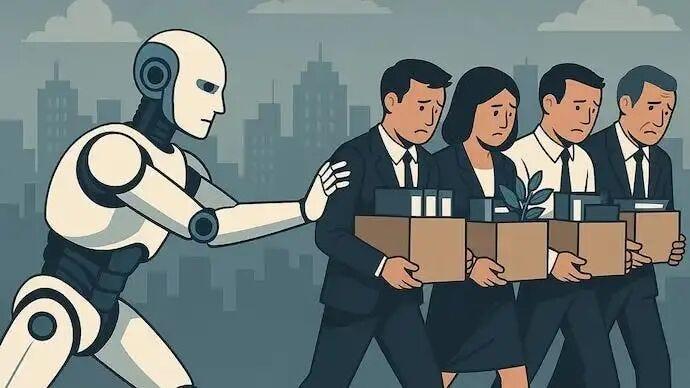
Several replies pushed back hard on the comparison itself. One commenter put it bluntly: reform and opening up massively increased jobs and created room for expansion across society. AI, in contrast, often feels like a force that compresses labor demand, centralizes advantage, and raises the bar for entry. That is why the emotional atmosphere around the two periods is so different.
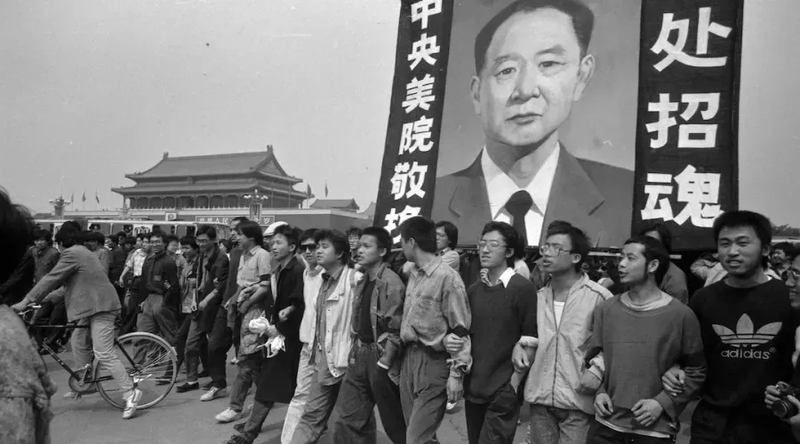
In the 1980s and 1990s, China was opening markets, urbanizing, industrializing, and absorbing labor into a rapidly expanding economy. There were gaps everywhere, and that meant room to move. In the AI age, many of the most valuable layers are already dominated by giant firms with capital, chips, data, engineering talent, and distribution. For ordinary people, the scene often looks less like an open frontier and more like a crowded battlefield where the biggest players arrived years earlier with tanks.
This is why so many technically skilled people still feel strangely locked out. They can see the trend clearly. They may even work inside it. But being near the wave is not the same as owning the surfboard.
The Most Honest Part Of The Debate
What made this thread especially striking was that the answers did not settle into one neat moral. Some were sympathetic. Some were harsh. Some accused the original post of being half existential confession, half startup ad. But taken together, they revealed a deeper truth: people do not just want AI to make life easier. They want it to settle old emotional debts.
They want it to justify years of study. They want it to redeem family sacrifice. They want it to prove that talent and persistence still matter. They want it to heal status anxiety. They want it to turn private pain into public success. That is a huge burden to place on any technology wave.
One of the more thoughtful responses suggested that ordinary people may need to lower their expectations of what “winning” in the AI age looks like. Not in a defeatist way, but in a realistic one. Maybe the true broad based gain from AI is not that everyone becomes a founder or investor. Maybe it is that people get better tools, lower barriers to learning, stronger consumer utility, and small but meaningful gains in daily life.

So What Counts As “Catching The Wave” Now?
A recurring theme in the discussion was that ordinary people may need a more grounded definition of participation. If you are not building foundational models or controlling distribution, what does success look like? For some, it may be using AI to improve work output and personal efficiency. For others, it may mean building a stable service business around implementation, customization, training, or workflow integration. That is less glamorous than “the next giant platform,” but often far more real.
One reply from a longtime tech worker made exactly this point. He argued that AI software outsourcing and custom deployment should not be dismissed as somehow inferior to big vision platform building. In a market where many firms still do not know how to connect large models to actual business operations, the unglamorous work of implementation can be where real money is made. Not every profitable position in a gold rush involves owning the mine.
That perspective also strips some romance from the idea of “the windfall.” Catching the AI wave may not look like soaring above society. It may look like surviving, adapting, building quietly, and accepting a smaller but sturdier version of success.
“In China’s AI conversation, the real divide may be between people chasing transcendence and people learning how to use the tools in front of them.”
Why This Debate Landed So Hard In China
The thread resonated because China today is full of people raised on stories of breathtaking social transformation. Many grew up hearing that one bold choice, one migration, one market opening, one industry shift, or one apartment purchase could alter a family’s destiny. Even if those stories were simplified in hindsight, they shaped a whole generation’s imagination.
AI now arrives in a much moodier environment. Growth is slower. youth employment anxiety remains high. The property era is no longer a default ladder. The internet’s easy expansion phase is over. Against that backdrop, AI gets loaded with exaggerated hope and exaggerated fear at the same time. It is sold as salvation and experienced as pressure.
That contradiction explains why this Zhihu discussion felt bigger than a single post. It captured the uneasy psychology of a society still obsessed with upward mobility, but less convinced than before that effort alone can deliver it.
The Expat Edit Take
The most revealing line in the original post was not about AI at all. It was “today I finally know who I am.” That line landed because it speaks to something universal. Every boom convinces people that history is opening a door. What hurts is realizing the door may be real, but still narrow.
China’s AI moment is generating winners, yes. But it is also generating a lot of self recognition. It is forcing people to ask whether they want a better life or a different rank. Those are not the same goal. One is widely attainable. The other has always been scarce.
That may be the quiet lesson of this whole debate. The wave is real. The opportunities are real. But for most people, the question is not whether history offered a chance. It is whether that chance was ever going to look like escape.
Curated and translated from Zhihu, China's largest Q&A platform.
Newsletter
Subscribe to The Expat Edit
Chinese perspectives on global events, wars, and great power competition. Curated from Zhihu.
Free. No spam. View on Substack →