


A small Taobao costume seller in Zhejiang says he shipped 20 identical girls’ performance outfits to buyers in Shaanxi, only to watch return requests flood in days later. The problem was not just the volume. It was the timing, the changing excuses, and the fact that videos online appeared to show the outfits already used in rehearsal and on stage. What looked at first like a minor e-commerce dispute has now touched a national nerve in China: where exactly does consumer protection end and abuse begin?
What Happened
According to reporting that spread across Chinese media and Zhihu this week, a Taobao merchant surnamed Xu said that between April 1 and April 2, 20 customers from Shangluo, Shaanxi ordered the same girls’ performance costume from his shop. He later realized the buyers appeared linked to a class at Danfeng County Junior Middle School, where a 2026 campus sports and culture arts festival had just taken place.
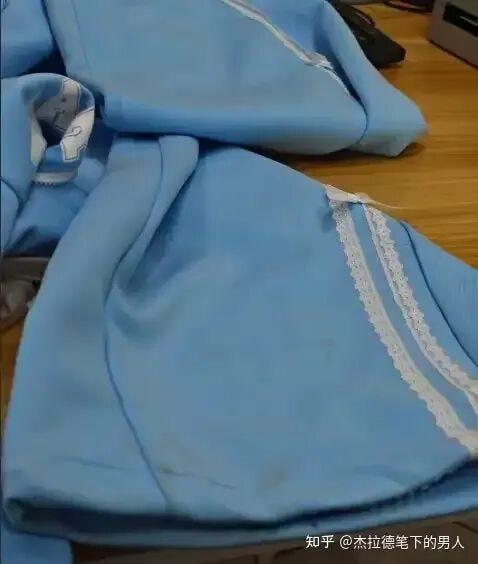
By April 10, a large share of those orders had already gone into return status. The reasons varied. Some parents reportedly said the event had been canceled due to weather. Others said the size was wrong. Others cited quality issues. But Xu says he found social media videos showing students wearing the exact same outfits during rehearsal and the final performance. When he confronted some buyers, the explanations shifted. “The activity was canceled” became “my child did not like it,” and then, in some cases, “the clothing had pilling.”
Once some returns arrived, Xu filmed himself opening the packages. He said the clothes showed obvious signs of wear, including dirty cuffs and trouser hems, loose threads, and pilling. For a small costume seller whose products are already highly seasonal and hard to resell, that matters a lot.
Why This Story Blew Up
China has seen versions of this drama before. Group orders for school performances, weddings, dance recitals, and special events often sit in a gray zone between “purchase” and “temporary use.” Parents do not want to spend much on an outfit a child may wear once. Sellers, meanwhile, know these products are uniquely vulnerable to being used and then sent back under the cover of the seven day no reason return rule.
That is why this case hit such a nerve online. Many commenters were not just angry at the apparent bad faith. They saw something bigger: a system that has become highly efficient at processing refunds but much weaker at dealing with trust, evidence, and intent. Platforms want frictionless shopping. Buyers want flexibility. But small merchants end up carrying the hidden cost when those protections are stretched beyond their original purpose.
On Zhihu, several highly liked responses made the same point in different language. Seven day no reason returns were meant to solve information asymmetry in online shopping. They were designed to let buyers inspect and reasonably try an item, not borrow it for a full public event and then reverse the sale.
“The issue is not just one batch of costumes. It is whether platform convenience has made honesty optional.”
What the Law Actually Says
Legally, this is where things get less fuzzy than many people assume. China’s Consumer Rights Protection Law gives buyers the right to return many online purchases within seven days without giving a reason. But that right is not unlimited. The returned product must remain in “good condition,” and the ordinary understanding of that phrase matters. Checking, opening packaging, and basic fitting are one thing. Wearing a costume through rehearsal and performance, then sending it back with stains and damage, is something else entirely.
China’s implementing rules have also become clearer in recent years. They emphasize that consumers should act in good faith and should not misuse return rights in a way that harms merchants or other consumers. That language matters because this is not simply a debate about feelings or internet morality. It is also about whether a right is being exercised properly or weaponized as a free rental scheme.
In other words, if the seller can show that the goods were materially used and that the return reasons were false or inconsistent, he may have a basis to challenge the return, seek platform intervention, or in some cases pursue compensation for loss of resale value.
What the Seller Can Actually Do
In practical terms, the seller’s strongest weapon is evidence. In this case, that means preserving product photos before shipment, saving all buyer messages, recording continuous unpacking videos of returned items, documenting stains and defects in detail, and archiving the public rehearsal and performance clips that appear to show the clothes in use. A pattern also matters. If a large number of near identical orders from one place are followed by clustered return requests right after the event, that is not proof by itself, but it can help establish context.
The first step is usually platform appeal. Taobao customer service has reportedly already acknowledged the case and said it is reviewing the relevant orders. If the merchant can demonstrate that the items were not returned in resalable condition, the platform has grounds to reject refund claims or support deductions tied to damage. The second step is regulatory complaint. China’s 12315 system is not only for consumers. Merchants can also file complaints when they believe platform rules or buyer behavior have caused unfair losses.
Litigation is possible too, but this is where reality bites. Costume sellers often face dozens of small losses rather than one large one. The legal theory may be sound, but the time and cost of suing multiple buyers can exceed the value of the clothes themselves. That is why, in cases like this, public pressure and platform enforcement often matter more than courtroom victory.
The School Says It’s Not Their Problem
The school’s response was predictable and revealing. According to media reports, a school representative said the purchases were made voluntarily by parents and had nothing to do with the school or teachers. Technically, that may be true if no official group purchase was organized. But socially, the answer feels thin. A performance tied to a school event creates pressure for costume uniformity even without a formal procurement process. That makes it easy for institutions to benefit from the appearance of organization while disclaiming responsibility when the fallout arrives.
This is part of why so many Chinese commenters were irritated by the case. To them, the merchant looked cornered from all sides. Parents could say “ask the platform.” The platform could say “we are reviewing.” The school could say “not our issue.” Everyone had an exit. The seller was left holding the used costumes.
The Bigger Problem: Trust Is Getting More Expensive
This is the part worth paying attention to if you live in China and shop online a lot. These cases do not end with one angry merchant and a viral headline. They change how the market behaves. Sellers start adding anti tamper tags, stricter store rules, higher prices, lower quality buffers, and more defensive customer service. Special occasion clothing becomes even more expensive because merchants have to price in expected abuse. Honest buyers then pay more for a worse experience.
Economists call this a trust cost. Chinese internet users often call it something simpler: once too many people game the system, everyone ends up living in a more suspicious one. The irony is that a consumer protection rule created to make online shopping feel safer can, if abused enough, produce the opposite result.
There is also an educational angle that many Chinese commenters raised. When adults lie about why they are returning a clearly used item, they are not just squeezing a merchant. They are showing children that rules are for exploiting, not respecting. For a school arts festival, that is a pretty grim side lesson.
So What Comes Next?
Do not expect some dramatic legal ending. More likely, this becomes one more test case in how Chinese platforms balance buyer friendliness with merchant survival. If Taobao sides clearly with the seller, merchants will see that evidence still matters. If the dispute gets flattened into an automated refund logic, sellers in vulnerable categories will simply harden their policies and raise their prices.
The scandal is not really about one blue costume. It is about whether an entire e-commerce culture can keep expanding while trust keeps shrinking. China built one of the world’s most convenient digital shopping systems. The hard part now is making sure convenience does not quietly become permission.
Curated and translated from Zhihu, China's largest Q&A platform.
Newsletter
Subscribe to The Expat Edit
Chinese perspectives on global events, wars, and great power competition. Curated from Zhihu.
Free. No spam. View on Substack →