
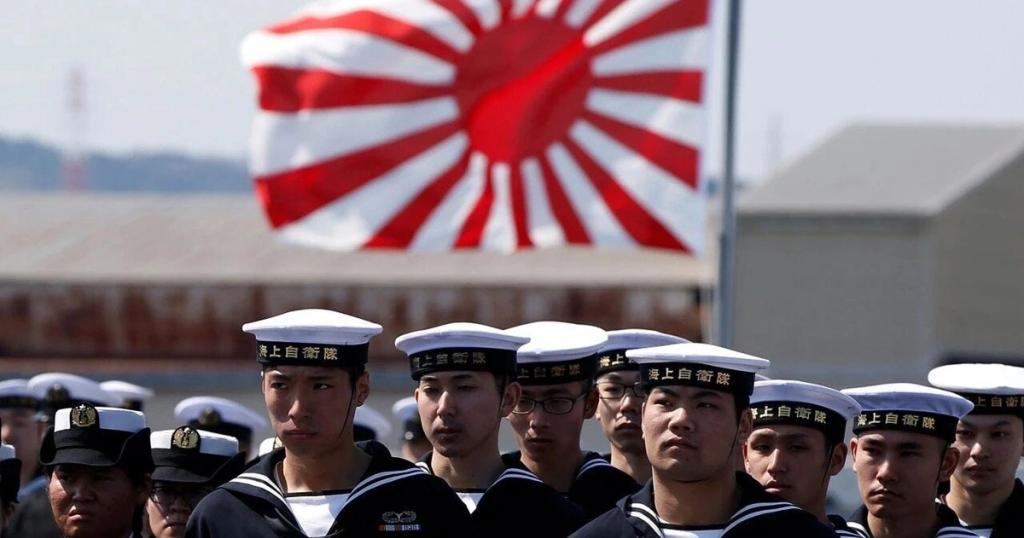
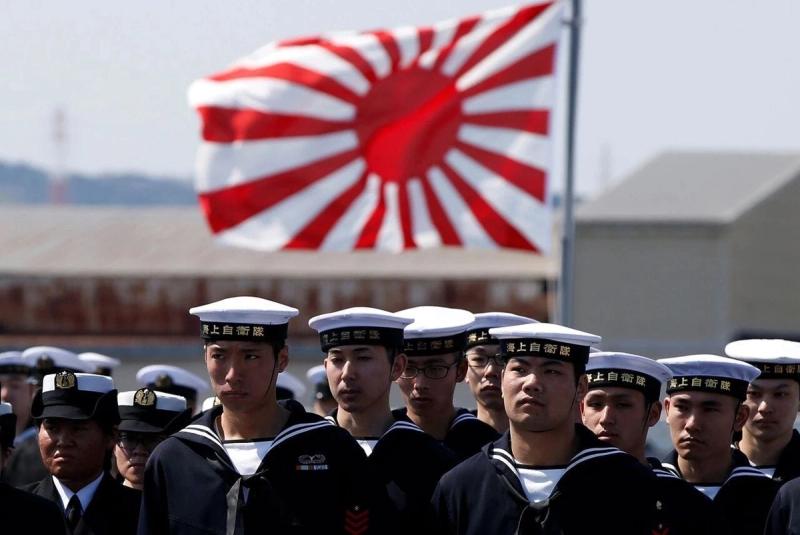
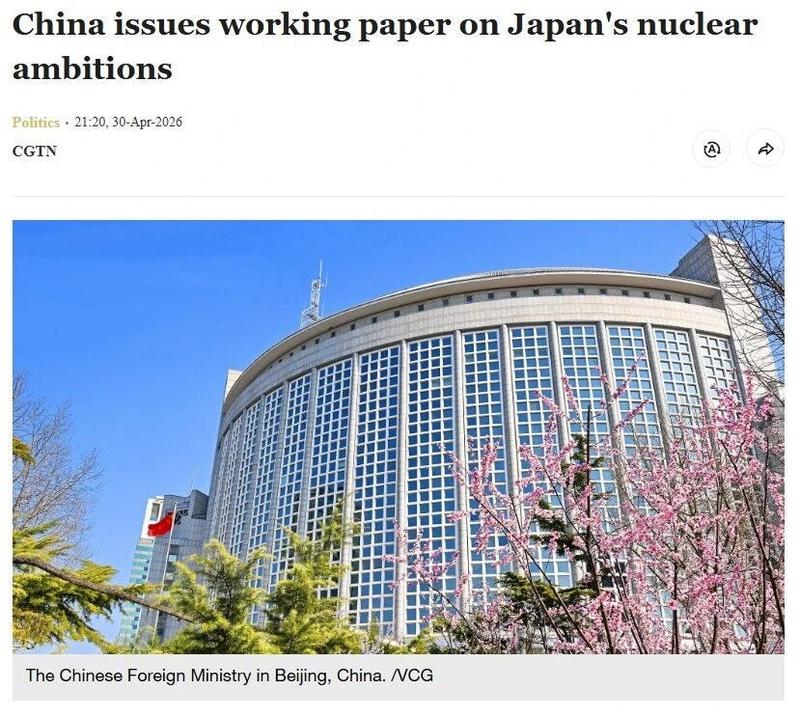
Beijing has just issued a sharply worded working paper on Japan’s possible path toward nuclear weapons, and the message is far more serious than a routine diplomatic complaint. The document does not just criticize isolated comments by Japanese politicians. It argues that Tokyo’s recent moves, from questioning the future of the “non nuclear principles” to strengthening extended deterrence ties and exploring nuclear submarine capabilities, point to a deeper trend: a Japan that is gradually testing the boundaries of the postwar order.
What China Actually Said
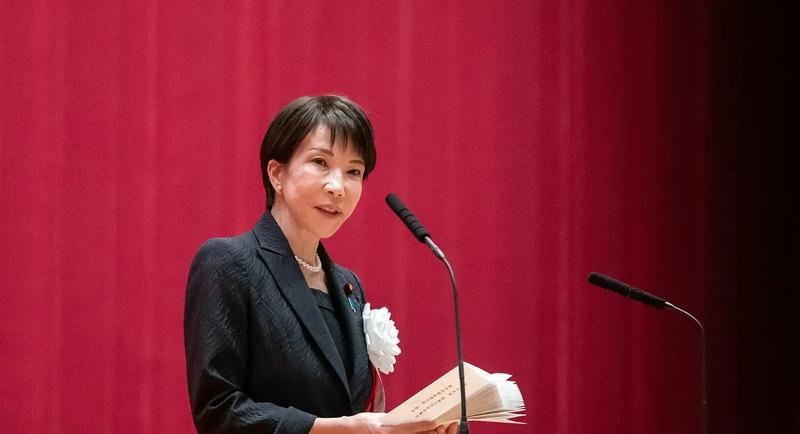
The Chinese Foreign Ministry’s paper lays out three main arguments. First, it says Japanese officials have increasingly made dangerous remarks about nuclear weapons. According to the paper, Japan’s prime minister said in late 2025 that he could not confirm whether the “Three Non Nuclear Principles” would remain unchanged during future security policy revisions. Soon after, a senior official at the prime minister’s office reportedly stated in public that Japan should possess nuclear weapons.
Second, the paper argues that these comments are not random. It links them to broader security trends in Japan, including stronger cooperation on so called extended deterrence, discussions around nuclear sharing, and efforts to develop nuclear powered submarines. In Beijing’s telling, this is not just rhetoric. It is strategic probing.
Third, China is framing the issue in legal and historical terms. The paper says Japan, as a defeated Axis power and a non nuclear weapon state under the Nuclear Non Proliferation Treaty, has binding obligations not to seek, produce, or possess nuclear weapons. That makes this document more than a political jab. It is meant to place Japan’s current debate inside the legal architecture of the post 1945 order.
The Plutonium Question Is the Most Concrete Part
The most striking part of the Chinese paper is not the historical language. It is the technical point about plutonium. Citing a 2025 report from Japan’s Cabinet Office, Beijing notes that by the end of 2024 Japan was managing about 44.4 tons of separated plutonium at home and abroad. Roughly 8.6 tons were held domestically, while about 35.8 tons were stored in the UK and France. On top of that, spent fuel in storage reportedly contained 191 tons of unseparated plutonium.
That matters because separated plutonium is one of the classic signs that a country possesses at least the technical foundation for a rapid nuclear breakout if it ever made the political decision. China is clearly trying to focus international attention on this stockpile gap between civilian demand and latent military potential. In plain English, Beijing is saying that Japan may not have bombs, but it has far more nuclear material and technical capability than a normal “non nuclear” image suggests.
“This is not just about what Japan says. It is about what Japan can do, how quickly it could do it, and whether the world still takes postwar restraints seriously.”
Why Beijing Is Leaning So Hard on History
Another important layer here is legal framing. The paper references the Cairo Declaration, the Potsdam Proclamation, and Japan’s Instrument of Surrender. It argues that these documents, together with the Nuclear Non Proliferation Treaty, still form part of the binding order that emerged after World War II. In this framework, Japan is not just another U.S. ally adjusting its defense doctrine. It is a former aggressor state whose rearmament carries unique legal and historical consequences.
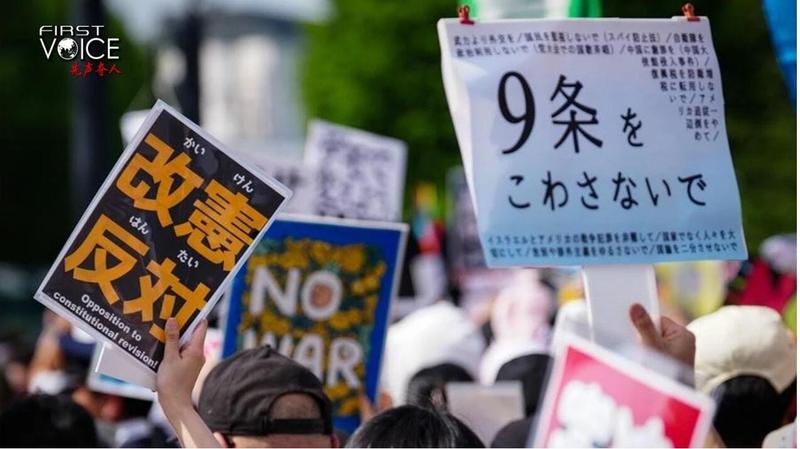
This is also why the Chinese text uses unusually blunt language, saying Japan has never fully reflected on its wartime aggression and does not truly accept its identity as a defeated state. That is a big claim, and obviously a politically loaded one, but it helps explain why Beijing ties nuclear issues to schoolbook memory, constitutional revision, weapons exports, and rising defense budgets. From China’s perspective, these are not separate stories. They are parts of one larger picture.
What the Working Paper Wants Next
Beijing is not merely complaining. It is also proposing a concrete international response. The paper urges states party to the Nuclear Non Proliferation Treaty to discuss Japan’s nuclear trajectory as a serious agenda item. It calls on Tokyo to reaffirm both its treaty obligations and the Three Non Nuclear Principles. It asks for more transparent and effective measures to address Japan’s imbalance in sensitive nuclear materials. It also suggests that the International Atomic Energy Agency should intensify safeguards and inspections in light of Japan’s recent rhetoric.
One especially notable point is that China calls on other countries to be cautious in nuclear cooperation with Japan. That is a signal to partners who might otherwise treat Tokyo as a completely ordinary, trusted non nuclear state. Beijing is trying to shift that assumption.
The Fukushima Issue Is Not Separate
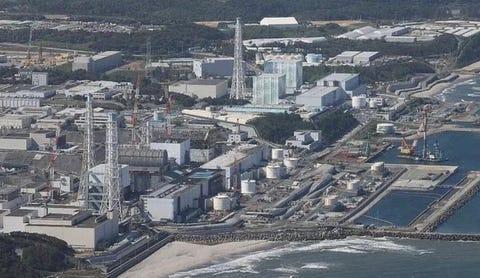
The working paper also folds Fukushima contaminated water into the same package. That may seem unrelated at first glance, but diplomatically it fits. China is arguing that Japan has a wider credibility problem on sensitive nuclear matters. If Tokyo wants the world to trust its restraint, Beijing says, then it should accept long term international monitoring not only of nuclear materials, but also of the contaminated water discharge process.
In other words, China is trying to construct a broader narrative: Japan is becoming less transparent, less restrained, and more willing to normalize risky nuclear behavior.
Why This Matters Beyond China and Japan
For expats and foreign observers, the key point is that this is not just another round of China Japan historical sparring. Beijing is internationalizing the issue. It is inviting the wider nonproliferation community to treat Japan’s evolving security posture as a live concern. That raises the diplomatic stakes considerably.
Whether other countries will follow China’s lead is another matter. Many Western governments still view Japan as a responsible democratic ally facing a difficult regional environment. But the Chinese document is designed to make that easy narrative harder to sustain. It shifts the conversation from alliance politics to legal obligations, postwar restraints, and the technical reality of Japan’s nuclear fuel cycle.
The paper’s deeper message is clear enough: if Japan keeps loosening old taboos around military force, constitutional limits, and now nuclear weapons, China will not treat those changes as normal. It will treat them as a challenge to the entire postwar settlement in East Asia.
Curated and translated from Zhihu, China's largest Q&A platform.
Newsletter
Subscribe to The Expat Edit
Chinese perspectives on global events, wars, and great power competition. Curated from Zhihu.
Free. No spam. View on Substack →