
One side says the mission succeeded. The other says it was a disaster. Over the weekend, rival claims from Washington and Tehran turned a single combat rescue into a propaganda war of its own. U.S. officials say the second crew member from a downed F-15E was pulled out of Iran and sent to Kuwait for treatment. Iranian media and officials say the rescue mission failed, with multiple U.S. aircraft shot down during the operation. The result is a battlefield story where the pilot may indeed be safe, while the rescue itself may still have been extraordinarily costly.
What the U.S. Is Claiming
According to U.S. reporting cited by major American outlets, the missing crew member from the downed F-15E survived on the ground for more than 24 hours in mountainous terrain, reportedly armed with only a pistol while evading Iranian search efforts. President Trump said on April 4 that the second pilot had been rescued. By April 5, U.S. reports said the airman had already been transferred to Kuwait for medical treatment.
The American version of events also acknowledges serious equipment losses. Reports say two U.S. transport aircraft became stranded or disabled during the rescue mission and were later destroyed by U.S. forces to prevent them from falling into Iranian hands. In other words, Washington is not claiming a clean operation. It is claiming a successful personnel recovery at very high cost.
What Iran Is Claiming
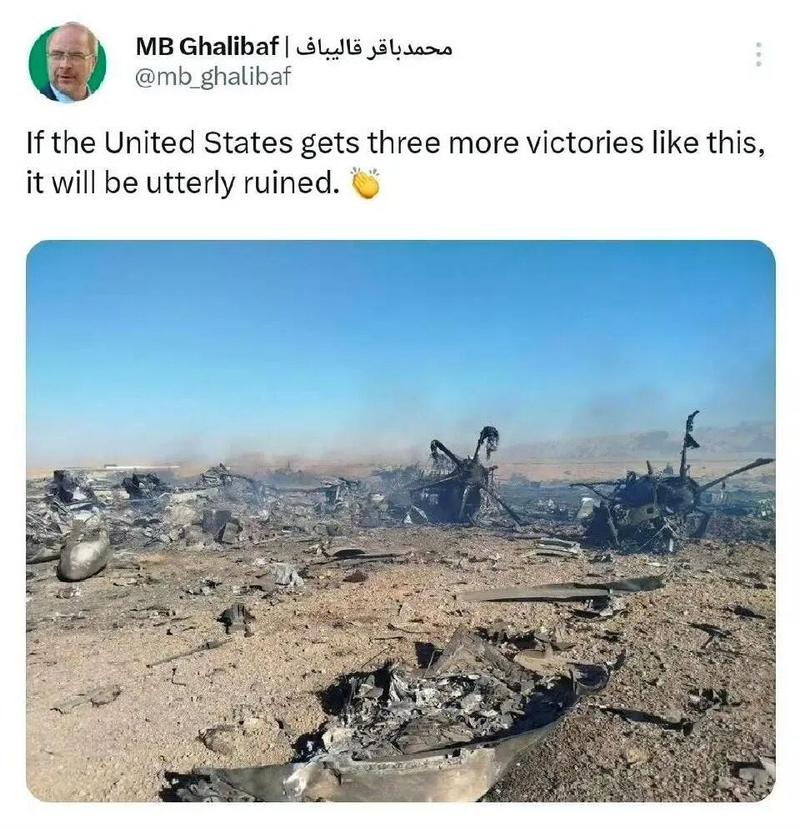
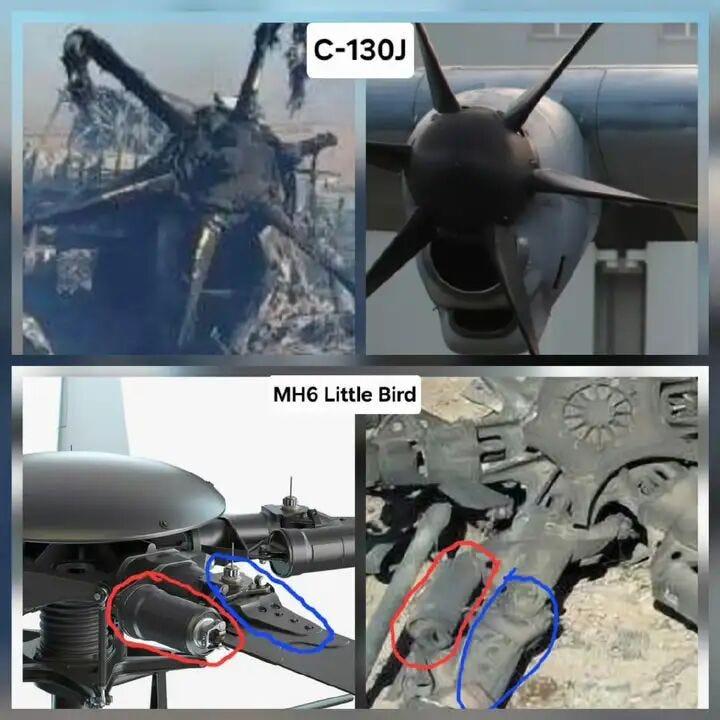
Iran’s side tells a much harsher story. Iranian state affiliated reports and statements linked to the Islamic Revolutionary Guard Corps said an American search and rescue aircraft was shot down in Isfahan province. Other Iranian accounts said a U.S. C-130 was also downed. Some reports went even further, claiming that two Black Hawk helicopters and a C-130 were brought down and that U.S. soldiers were killed during the mission.
Iranian messaging has focused less on whether the pilot was eventually recovered and more on the cost paid by the U.S. to make that happen. That distinction matters. In military and political language, a rescue can still be framed as a failure if the losses are severe enough. Tehran appears to be arguing exactly that.
“This may be one of those rare wartime stories where both sides are telling part of the truth.”
So Who Is More Likely Right?
Based on the current information, the most plausible reading is that the pilot was in fact rescued, but the mission was messy, dangerous, and expensive. That would explain why U.S. outlets are confidently reporting the recovery while also admitting the destruction of aircraft. It would also explain why Iran is highlighting wreckage and losses rather than focusing solely on the pilot’s fate.
In other words, Washington and Tehran are not necessarily making mutually exclusive claims. The U.S. can say the mission succeeded because the primary objective was to recover the pilot. Iran can say it failed because the operation appears to have cost the Americans multiple aircraft and possibly more, exposing vulnerabilities in a highly public way.
The biggest unresolved issue is proof. If the rescue was as successful and politically valuable as the White House suggests, many observers expected rapid release of clear photos or video of the recovered pilot. So far, that visual confirmation appears limited. That does not prove the rescue failed, but it does explain why skepticism remains high online.
Why the Aircraft Losses Matter So Much
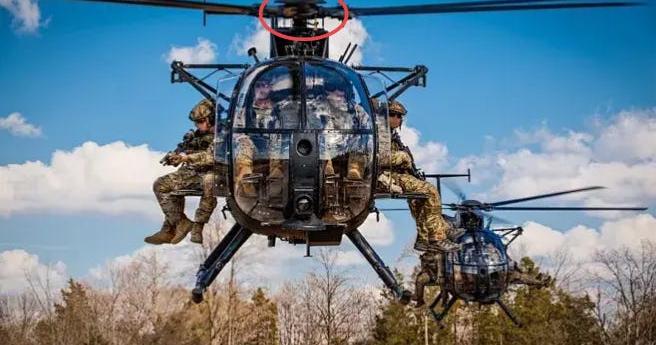
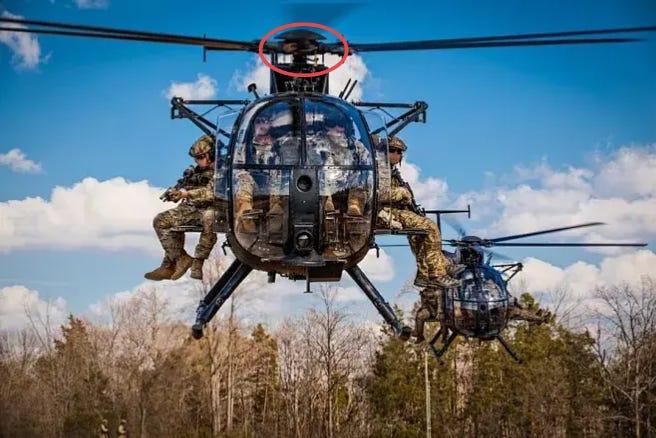
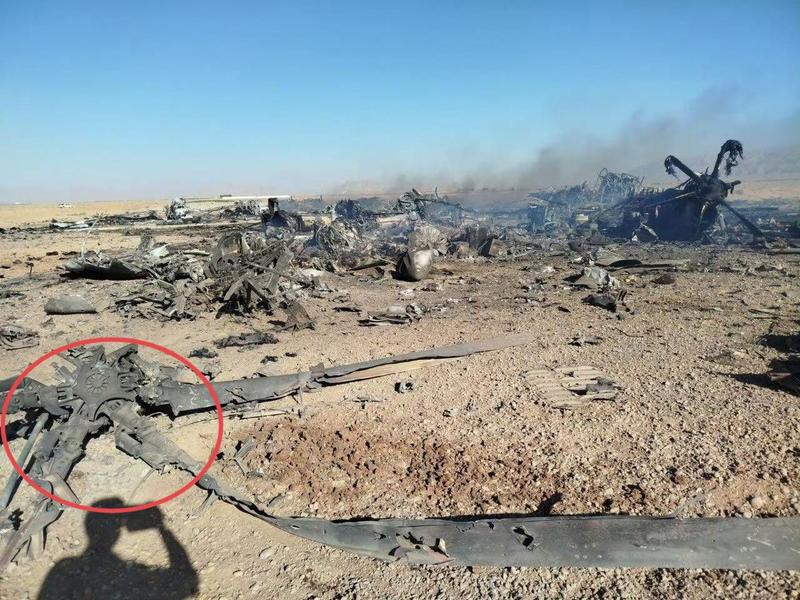
Online military watchers have zeroed in on a detail that casual readers might miss. If the reports are accurate, the destroyed aircraft were not just ordinary transports. Some commentators believe they included highly specialized rescue or special operations platforms, the kind of low volume assets that are difficult and expensive to replace. Even if those exact identifications remain unconfirmed, the broader point stands. Losing multiple aircraft during a single personnel recovery mission is not a trivial event.
That is why this story has become bigger than one pilot. It now touches on American special operations capability, Iranian air defense credibility, and the political need on both sides to shape the narrative before more evidence emerges.
The Bigger Political Read
There is also a second layer to this story. For Trump, bringing home a downed American pilot is the kind of moment that can be framed as strength, resolve, and loyalty to the troops. For Iran, showing that the U.S. had to burn aircraft, suffer losses, and fight under pressure inside Iranian territory supports a very different message. Even when America gets its man out, Tehran wants audiences to see a bleeding superpower, not a flawless one.
That is why the argument online has become so chaotic. People are not only debating facts. They are debating definitions. If the pilot is alive in Kuwait, that supports the U.S. version. If the rescue force lost several valuable aircraft and possibly personnel in the process, that supports the Iranian version. Both can be true at the same time.
For now, the safest conclusion is simple: the pilot was probably recovered, but this was no Hollywood rescue. It looks more like a high risk extraction that succeeded tactically while still handing Iran plenty of material for strategic and propaganda counterpunches. In modern war, that may be the most realistic answer of all.
Curated and translated from Zhihu, China's largest Q&A platform. Read the original discussion →
Newsletter
Subscribe to The Expat Edit
Chinese perspectives on global events, wars, and great power competition. Curated from Zhihu.
Free. No spam. View on Substack →