
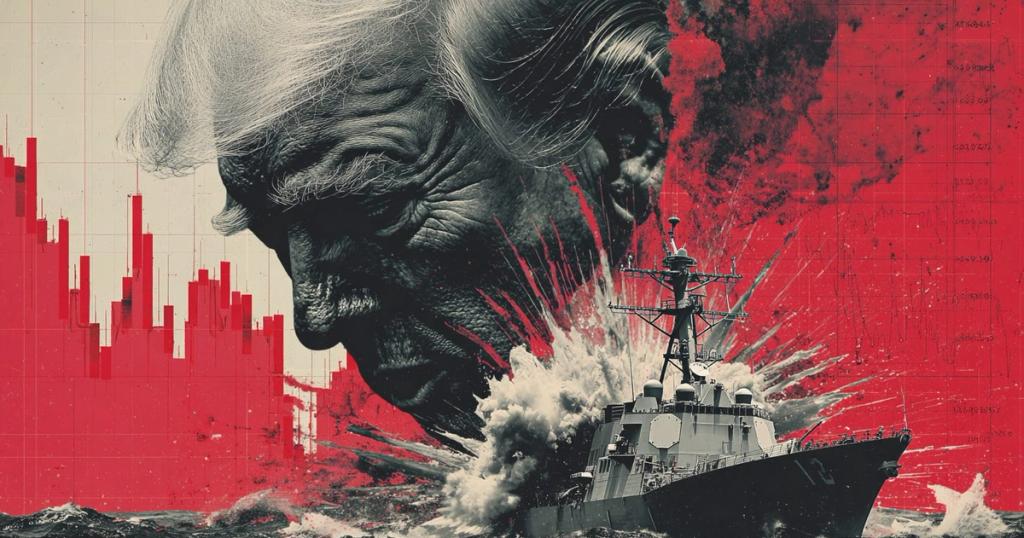
A fresh Hormuz scare is now dominating Chinese social media. Iranian outlets say a U.S. warship ignored warnings near the Strait of Hormuz, was targeted by Iranian missiles, and turned back. American officials are denying any U.S. vessel was hit. On paper, that sounds contradictory. In practice, both claims can be true at the same time. Missiles may have been fired as a warning shot, no ship may have been struck, and Washington may be trying to avoid publicly validating Iran’s version of events. The real question is not whether a ship was hit. It is whether this was a one off warning, or the opening scene of another dangerous U.S.-Iran escalation.
What Actually Happened?
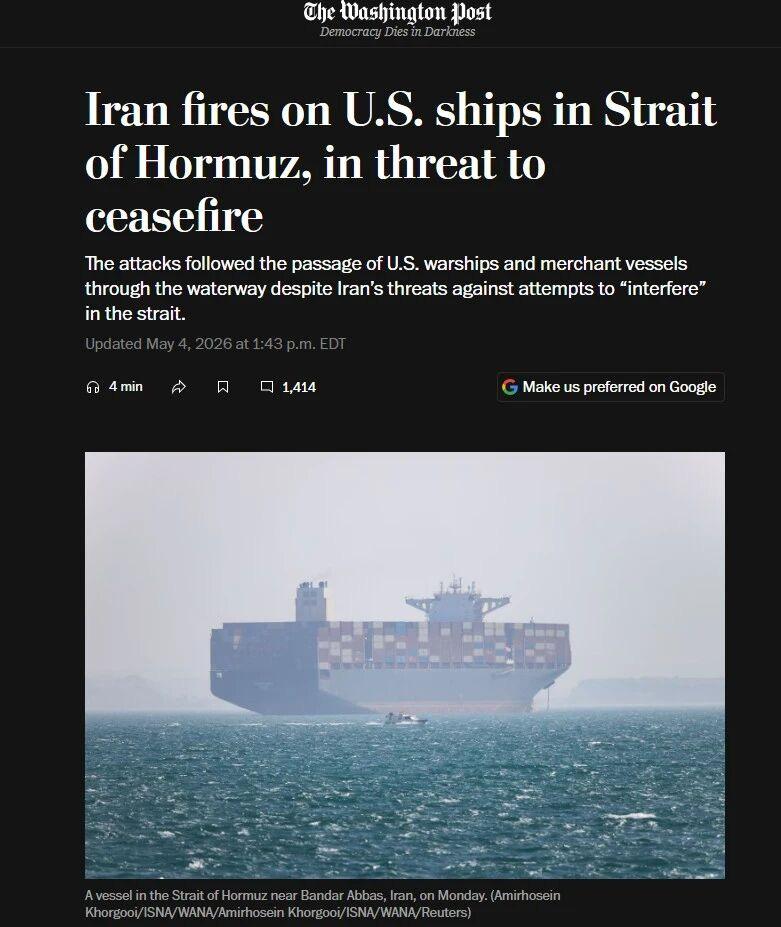
According to Iranian media, a U.S. warship attempted to approach or enter the Strait of Hormuz after ignoring Iranian naval warnings. Tehran says missiles were then launched and the ship was forced to reverse course. Soon after, U.S. media citing senior American officials reported that no U.S. vessel had been hit.
That leaves us with a very familiar regional pattern. Iran wants to show resolve and deterrence. The United States wants to avoid looking pressured while also avoiding a spiral into war. So both sides are telling a story that protects their own credibility. Iran says, “we fired and they backed off.” America says, “nothing hit us.” If the missiles were intended as a warning rather than a kill shot, that gap is not nearly as wide as the headlines make it seem.
Why Hormuz Matters So Much
The Strait of Hormuz is one of the world’s most important energy chokepoints. A huge share of global seaborne oil passes through this narrow corridor. When tensions rise there, shipping insurers panic, energy traders react instantly, and every government that depends on Gulf crude starts watching closely. China, as the largest buyer of many Gulf energy flows, has an obvious stake in keeping that route open.
What makes Hormuz especially dangerous is geography. The waterway is narrow, heavily monitored, and fully within Iran’s strike envelope. In a place like this, there is very little room for “routine” military signaling. Every escort mission looks like a provocation to the other side. Every warning shot risks becoming a real exchange. Every ship movement is read as strategy.
That is also why online observers in China have focused less on the exact missile claim and more on the strategic signal. If Iran is openly warning foreign forces not to enter Hormuz, and if the U.S. Navy still moves in under a “protection” or “escort” mission, then the risk of repeated standoffs rises sharply. Even if neither side wants total war, both may keep testing where the other side’s red lines really are.
“In Hormuz, not getting hit is not the same thing as being safe.”
The Shipping Data Is the Quiet Part of the Story
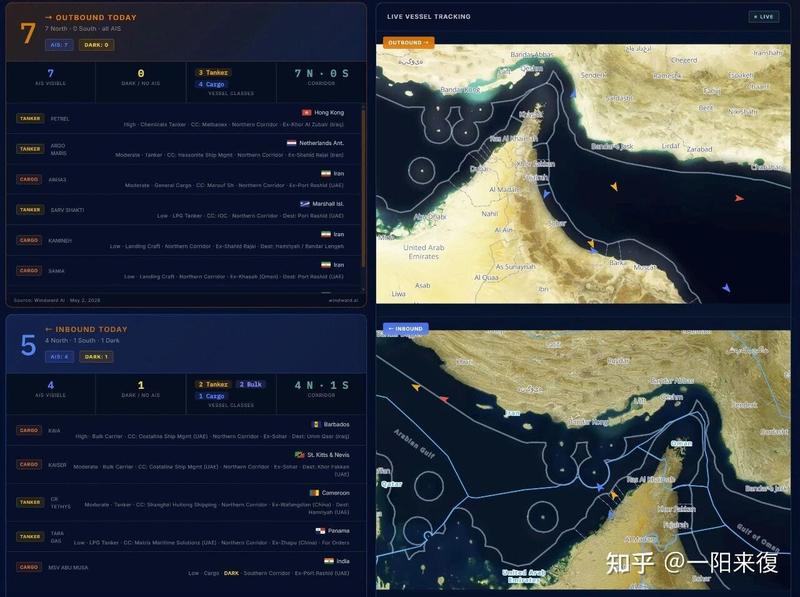
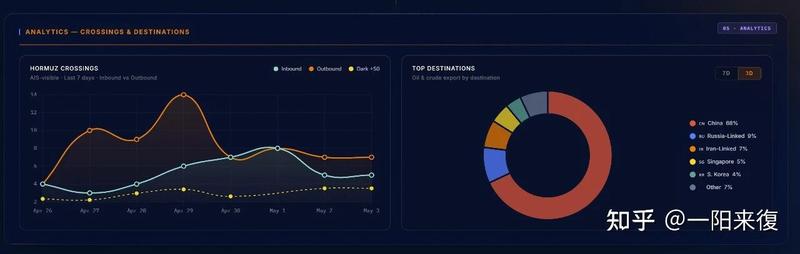
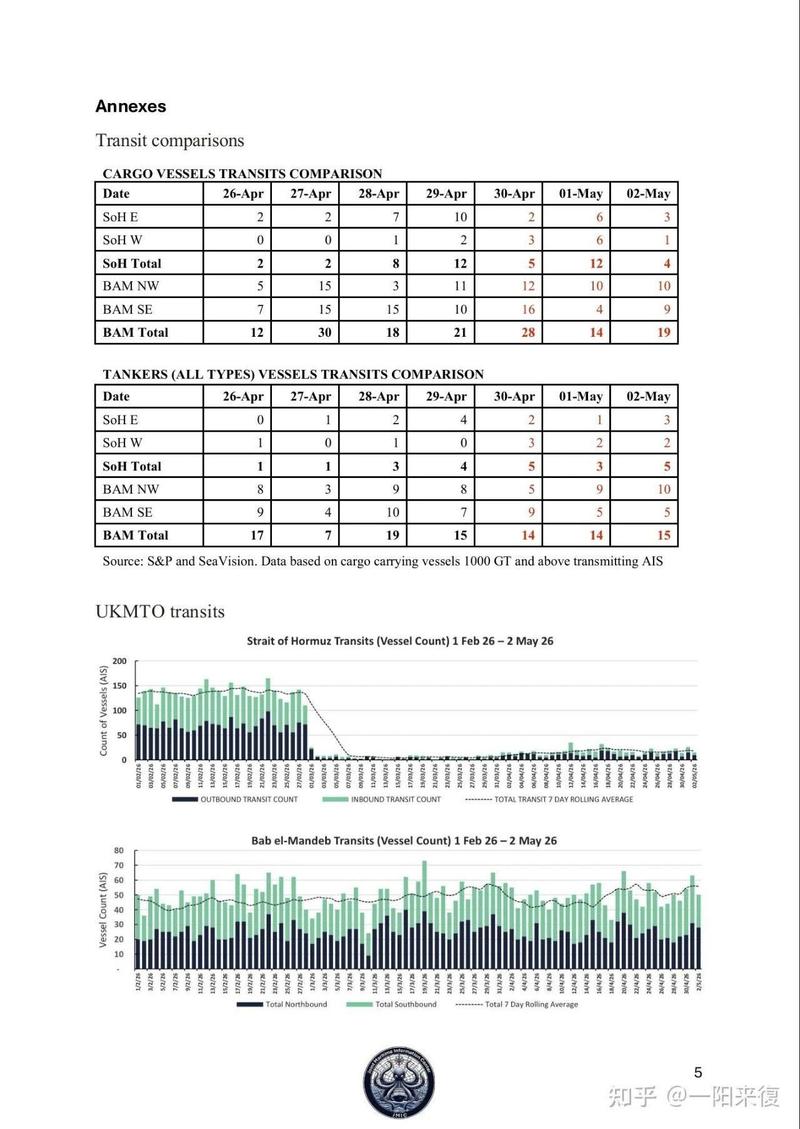
One of the most interesting parts of this story is not the rhetoric. It is the shipping data. Analysts and amateur OSINT trackers have been circulating screenshots from vessel tracking platforms, UKMTO advisory material, and energy market reports to show how sharply regional traffic patterns have changed. Transit counts through Hormuz have fallen, dark shipping concerns remain, and destinations are being watched with unusual intensity.
This matters because shipping patterns often reveal the real level of fear faster than official statements do. Governments can deny, threaten, posture, or calm things down. Tanker operators and captains do not talk like diplomats. They reroute, delay, go dark, or wait. When traffic thins in one of the world’s most important sea lanes, that is the market voting with its feet.
So Will They Fight Again?
Probably not in the sense most people imagine. A full scale U.S.-Iran war would be brutally expensive, politically risky, and operationally messy. The United States can project overwhelming force, but Hormuz is exactly the kind of confined battlespace where even a weaker regional actor can impose meaningful costs. Iran knows that. Washington knows that too.
What looks more likely is a cycle of calibrated confrontation. Iran issues warnings and demonstrates that it can threaten passage. The U.S. tests whether it can escort or influence commercial flows without triggering a broader clash. Both sides try to preserve deterrence, avoid humiliation, and push the other side into blinking first. That kind of contest can go on for quite a while, and it can still be dangerous even if nobody wants war.
In other words, the immediate issue is not whether Washington and Tehran wake up tomorrow and declare total war. It is whether repeated “limited” probes near a narrow strategic chokepoint create the one mistake, overreaction, or misread radar track that neither side can walk back.
What China Is Watching
Chinese discussion of the incident has been unusually practical. Yes, there is plenty of geopolitical chest thumping online. But underneath that, many comments are focused on shipping lanes, oil prices, trapped vessels, and whether any escort operation can really function in such a narrow strike zone. That is a more serious read of the situation than the viral headlines suggest.
From Beijing’s perspective, the main concern is simple. If Hormuz stays unstable, China pays for it one way or another. It pays through energy costs, insurance pressure, supply chain uncertainty, and wider regional risk. That is why incidents like this matter in China far beyond the military drama. The real story is not only missiles and denials. It is whether one of the world’s most essential energy corridors is becoming too dangerous to function normally.
Curated and translated from Zhihu, China's largest Q&A platform.
Newsletter
Subscribe to The Expat Edit
Chinese perspectives on global events, wars, and great power competition. Curated from Zhihu.
Free. No spam. View on Substack →