There is a peculiar calm hanging over a deeply unstable moment.
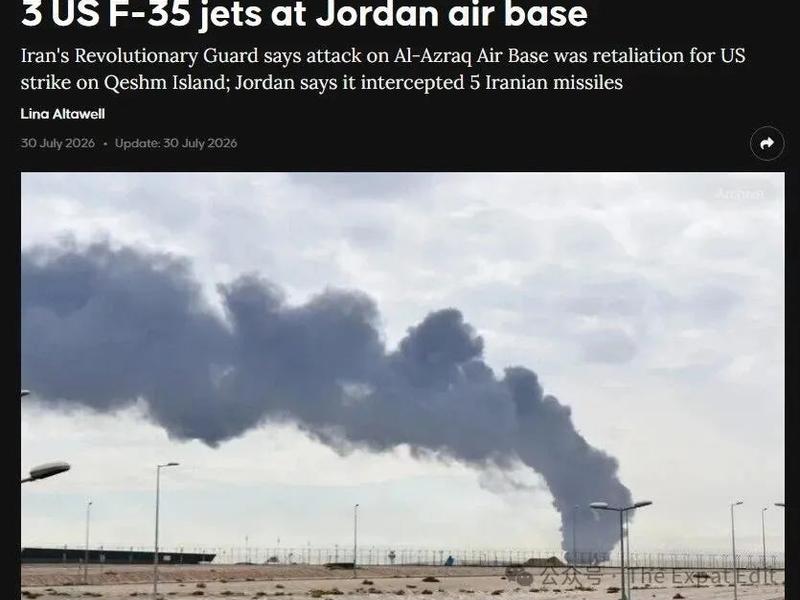
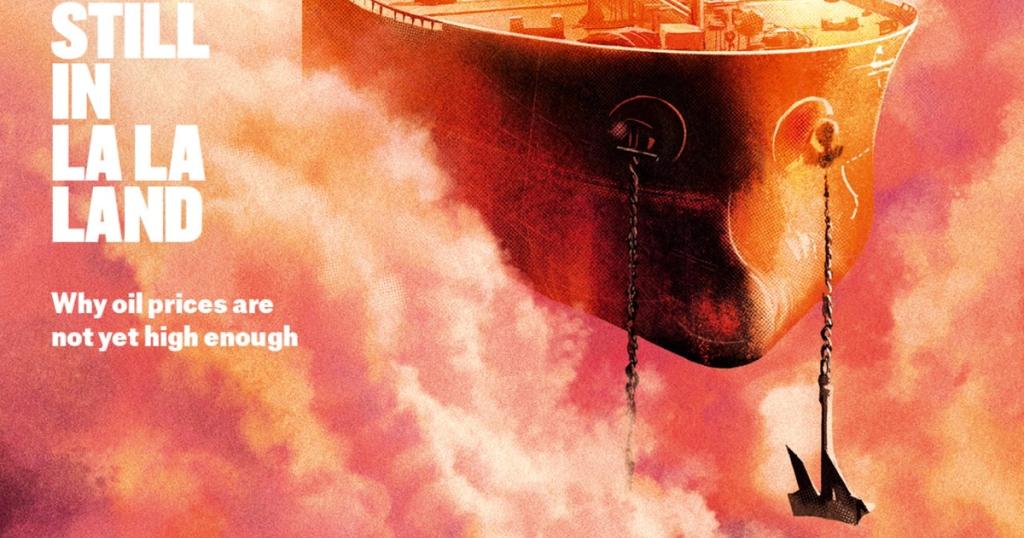
Oil prices have risen, but not yet in a way that has shattered public confidence. Gasoline is more expensive, but not so expensive that it has forced a wholesale change in behavior. Financial markets, especially futures markets, continue to signal that whatever disruption has taken place in the Persian Gulf will prove temporary, manageable, and ultimately containable.
That confidence may be the most dangerous feature of the crisis.
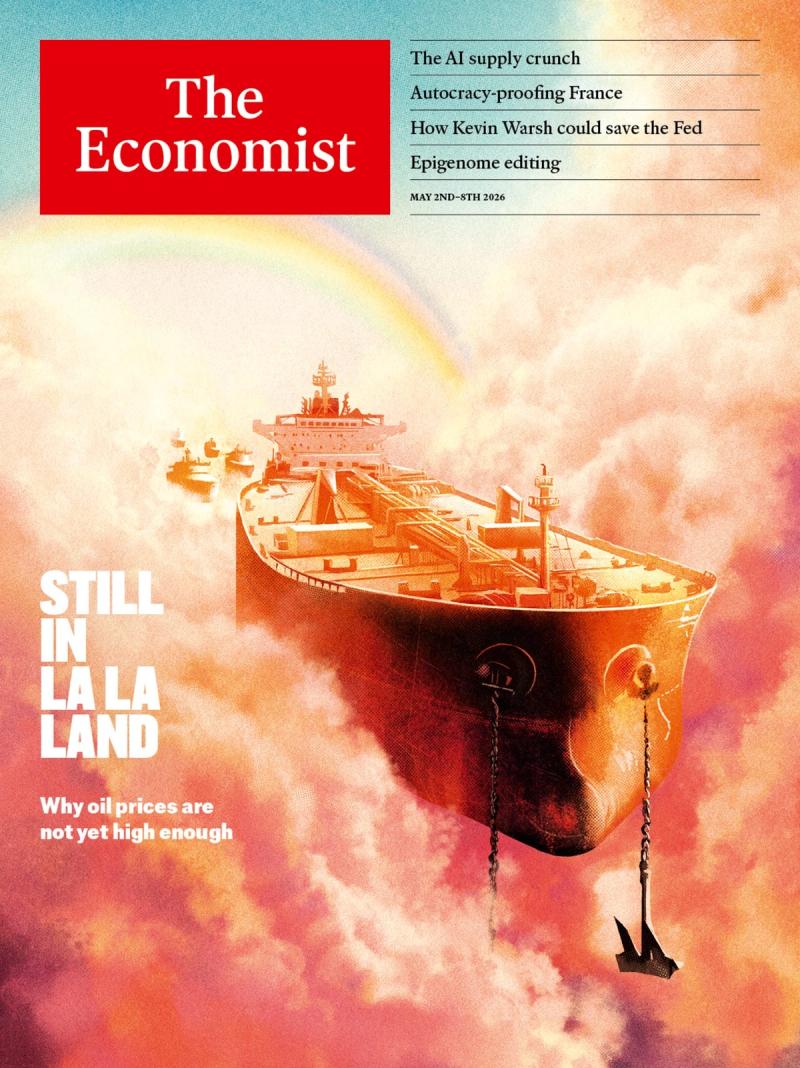
For months, a broad assumption has taken hold in political and financial circles: that the world can absorb another Middle East shock, that markets have already priced in the risk, and that the United States, insulated by geography and domestic production, can afford to wait. Iran may be able to endure pain longer than Washington can tolerate political discomfort, the thinking goes, but America is not under direct physical attack, and the global economy has survived supply disruptions before.
This reading confuses delayed consequences with limited consequences.
The underlying reality is more severe than current market behavior suggests. What matters is not only whether a strategic chokepoint reopens, but what has already been damaged, what physical supply has already been lost, and how long it will take to restore it. Tankers do not simply reappear overnight. Oil fields and refineries do not resume normal output on command. Insufficiently fertilized crops do not produce bumper harvests because traders decide to become optimistic.
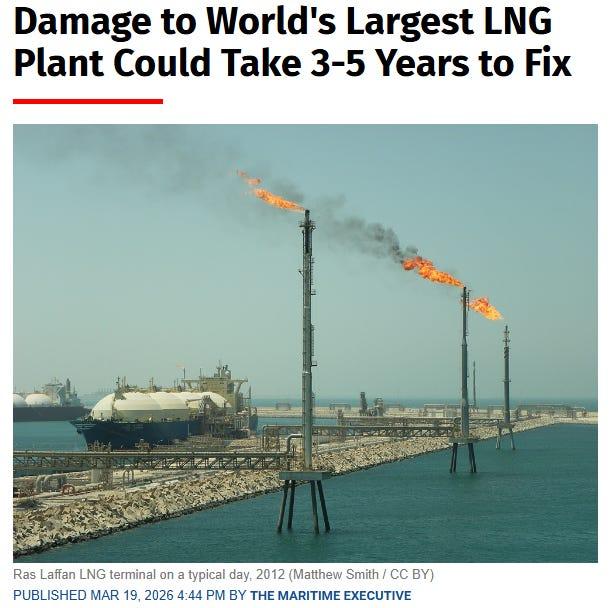
A futures market can shape expectations. It cannot create barrels of oil.
That distinction may soon become painfully important. A low futures price does not mean the crisis is mild. It may simply mean the signal is false.
If price discovery has been distorted by official optimism, large market interventions, or the broader political desire to maintain calm, the result is not stability. It is misallocation. Businesses continue operating as if energy will remain available at tolerable prices. Consumers postpone hard choices. Airlines, freight operators, manufacturers, and farmers make plans based on a picture of the future that may bear little resemblance to the one approaching.
This is what a false sense of security looks like in economic life. The danger is not merely that prices will rise. It is that society will have failed to prepare while there was still time to adjust.
Markets are supposed to help prevent exactly this kind of disorder. Their great social function is not moral but practical. Prices transmit reality. They tell producers whether to invest, consumers whether to cut back, and institutions whether to brace for scarcity. When that mechanism works honestly, an economy adapts before a shortage becomes a breakdown. When it fails, adjustment comes all at once and under duress.
That is why distorted energy pricing is not a technical issue for traders alone. It is a problem for everyone who depends on transportation, food, heating, manufacturing, or basic industrial inputs.
And energy is not simply one sector among many. It is the foundation beneath all the others.
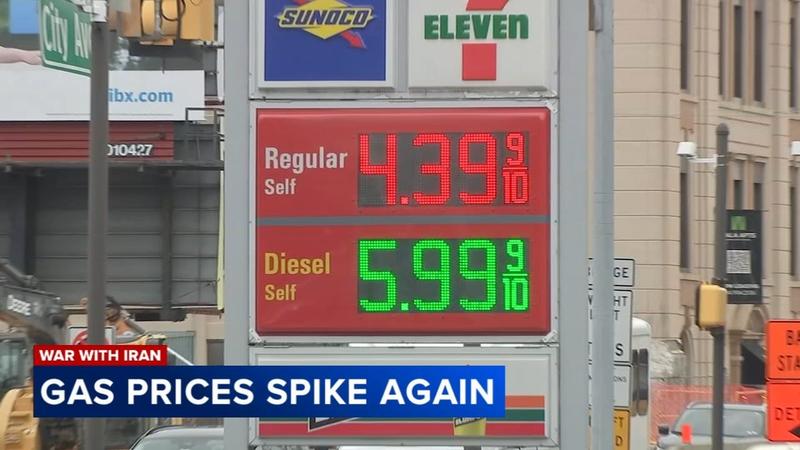
Americans tend to experience oil shocks first at the gas pump, and that is understandable. Retail gasoline is visible, personal, and politically potent. But gasoline is in some ways the least important part of the story. Diesel matters more for the functioning of the real economy. It moves freight. It powers agricultural machinery. It underwrites trucking, logistics, and much of the transportation system on which the United States relies more heavily than many of its peers.
Then there is fertilizer, much of it tied directly or indirectly to petroleum and natural gas. A disruption in energy supply does not end with expensive fuel. It spreads outward into crop yields, food prices, and eventually food access. These effects take longer to register, which makes them easier to ignore in the early stages. But once the planting season has passed and input costs are locked in, part of the future is already set. Higher harvest costs cannot be wished away by central bank language or political messaging.
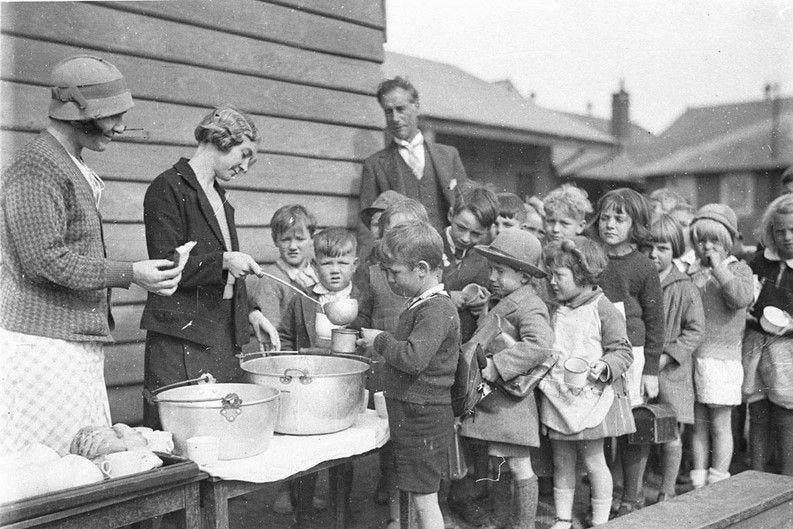
This is the deeper illusion of advanced societies. Many people assume that technological sophistication has insulated modern economies from the kinds of material crises that once defined history. Famines belong to sepia photographs. Depressions belong to textbooks. Severe shortages seem incompatible with a world of smartphones, cloud computing, and artificial intelligence.
But software does not replace energy. It does not move trucks, manufacture fertilizer, or restore damaged export terminals.
A modern economy is still a physical economy. It runs on fuel, minerals, transport systems, and agricultural inputs. It may be more complex than the industrial systems of the past, but it is not less dependent on the material world. In some ways, complexity only increases vulnerability. A tightly interconnected economy can absorb small shocks efficiently, but when the shock is large enough, those same interdependencies transmit distress faster and farther.
The United States has one advantage and one profound weakness.
The advantage is obvious: it remains one of the world’s largest energy producers. The weakness is less appreciated: it is also one of the most oil-sensitive major economies. American life, infrastructure, and commerce are organized around abundant fuel. Distances are longer. Freight is heavier. Suburbs are farther from work. Supply chains are deeply dependent on trucking. The country may produce enormous quantities of energy, but it also consumes them on a massive scale.
And because oil is traded on a global market, domestic production does not guarantee domestic protection. American barrels go to whoever will pay for them. If foreign buyers bid aggressively, those barrels leave. That may be profitable for producers, but it does not shield American households from rising prices. Quite the opposite.
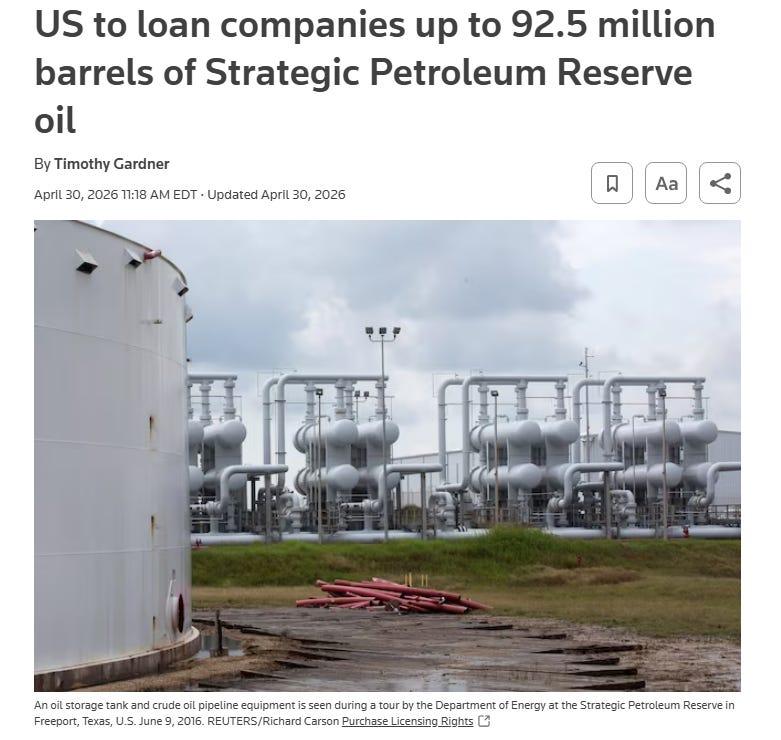
The strategic petroleum reserve can soften the blow for a time. It cannot abolish it. Drawing down reserves may suppress visible pain in the short term, but it also risks exhausting emergency capacity to preserve a political narrative. A reserve is meant to buy time during a crisis, not to create the impression that there is no crisis.
Sooner or later, the physical balance reasserts itself. Supply is either there or it is not. Demand either adjusts gradually or is forced to collapse abruptly. No government announcement, and no carefully massaged market sentiment, can permanently override that logic.
The most plausible near-term outcome is not a single dramatic moment but a progressive recognition that the problem is larger than advertised. First comes higher fuel. Then more expensive freight. Then pressure on food. Then reductions in discretionary travel and consumption. Then factory slowdowns, cancelled investment, and layoffs in sectors that can no longer absorb the cost of energy. What begins as an oil shock becomes an economy-wide contraction.
If the disruption proves large enough, the result will not resemble an ordinary recession. A significant loss of energy supply does not merely reduce confidence. It removes capacity. It forces choices about what economic activity can continue and what must stop. Tourism may be cut first. Then aviation. Then marginal manufacturing. Then more.
This is what people often miss when they imagine that “the market” will sort things out. The market does sort things out, but sometimes by imposing brutal arithmetic. Those with deeper pockets outbid those without. Essential uses crowd out nonessential ones. Scarcity does not disappear. It is allocated.
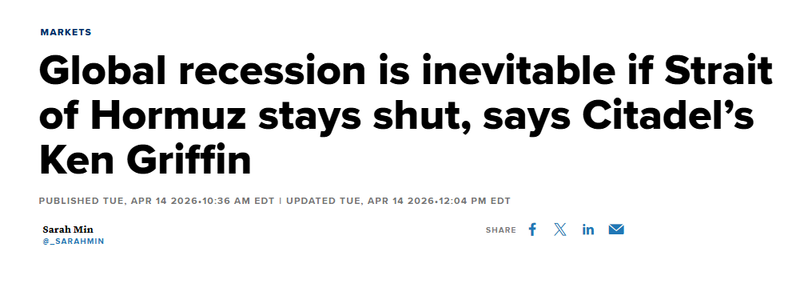
That process can be managed with foresight or endured in panic.
The gravest risk now is that policymakers are choosing panic later over adjustment now.
And behind the economics lies a political fact that cannot be ignored. If this crisis worsens, the search for accountability will be swift and unforgiving. Publics do not remain patient when fuel surges, food prices spike, and livelihoods vanish. They demand explanations. They look for the decision point at which disaster became policy.
That decision point is not hard to identify. This was not an unavoidable collision with history. It was a strategic choice to court escalation in one of the most economically sensitive regions in the world. The costs were foreseeable. The vulnerability was obvious. The dependency of the global economy on Gulf energy infrastructure was never a mystery.
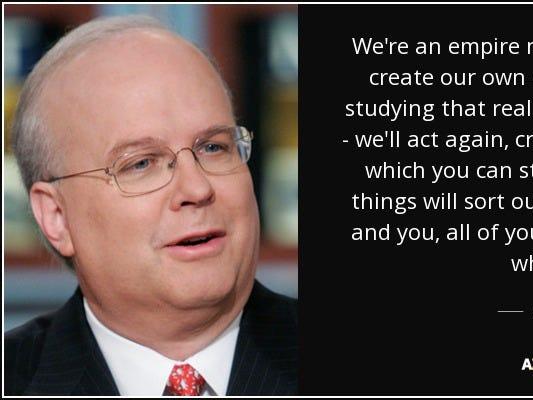
Yet our commander-in-chief seems to have believed that the obvious consequences could be avoided. Now he hopes desperately that the consequences can be hidden, that accountability can be deferred.
But the reality remains. You can distort expectations. You can drain reserves. You can reassure the public and lean on markets and hope that optimism becomes self-fulfilling.
But you cannot narrative your way past a supply shock.
At some point, the world stops trading in sentiment and starts paying in cash.
And when that moment comes, the bill will be larger than anyone was told.
Listen to CATR on:
Newsletter
Subscribe to Conversations Among the Ruins
Long-form geopolitics and the decline of the unipolar world order. New episodes straight to your inbox.
Free. No spam. View on Substack →