


On April 13, the French National Assembly made an unprecedented move. In a rare display of unity, lawmakers voted 170 to 0 to pass a bill simplifying the return of artifacts looted during France’s colonial era. During the session, one French MP quoted a famous 1861 letter by Victor Hugo, declaring that Hugo’s dream of a “clean France” returning its spoils of war to China had finally arrived. But as the news went viral on Chinese social media platforms like Zhihu, netizens began reading the fine print.
The Bureaucracy of Repatriation
Previously, returning any item from a French public collection required a grueling, standalone legislative act that could take years. The new bill replaces this with a streamlined administrative decree, provided the artifacts fall between the years of 1815 and 1972. This timeline perfectly covers the 1860 looting of the Old Summer Palace by Anglo French forces in Beijing.
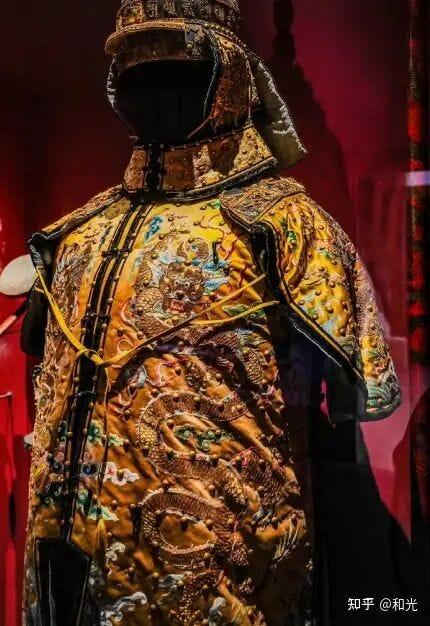
However, the unanimous vote came with heavy compromises. Right wing parties insisted that military trophies be excluded from the bill entirely, meaning items like captured battle flags or armor might never leave Paris. Furthermore, the bill only applies to items held in state institutions. Artifacts that slipped into private collections remain completely untouched by the new rules.
Treasures Locked Away
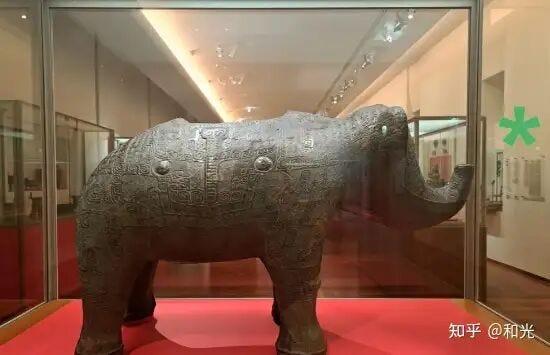
The sheer volume of Chinese heritage residing overseas is staggering. Some estimates place the number of Chinese artifacts in France alone at 2.6 million. The Palace of Fontainebleau is particularly infamous among Chinese historians. It houses over a thousand relics plundered directly from the Old Summer Palace in 1860, including magnificent gilt bronze stupas and rare jade carvings.
Many of these items have faced a troubled existence in Europe. In 2015, the Chinese Museum at Fontainebleau suffered a devastating heist where 15 priceless artifacts were stolen in mere minutes, highlighting ongoing concerns about how well these looted treasures are actually being protected. The new French law mandates that receiving countries must prove they can safely store and display the items according to international standards before any handover occurs.

“It is a step forward, but asking a victim to formally petition a thief for the return of stolen family heirlooms is a bitter pill to swallow.”
Zhihu Reacts: Geopolitics or Genuine Regret?
On Zhihu, the reaction has been a mix of cautious optimism and deep cynicism. Many top commenters pointed out that the bill seems far more focused on Africa than Asia. With French geopolitical influence waning rapidly across its former African colonies, analysts see this legislation as a soft power play by Emmanuel Macron to win back diplomatic favor in regions like Senegal and Benin.
Others noted the irony of quoting Victor Hugo. While the literary giant did publicly condemn the burning of the Old Summer Palace, historical records show he eagerly purchased looted Chinese silks and porcelain from British soldiers to decorate his own home in Guernsey.
A Ripple Effect Across Europe
Despite the caveats, the French vote is undeniably putting pressure on other Western institutions. Chinese commenters immediately turned their attention to the British Museum, which holds an enormous collection of looted global heritage and has historically hidden behind strict domestic laws to refuse repatriation requests.
The new French law still needs to clear the Senate before it becomes official. Even then, the mechanism relies on foreign governments submitting formal, heavily documented applications to prove the illicit nature of each individual piece. It will not be a scenario where Paris simply packs up crates of antiquities and ships them to Beijing.
Curated and translated from Zhihu, China's largest Q&A platform.
Newsletter
Subscribe to The Expat Edit
Chinese perspectives on global events, wars, and great power competition. Curated from Zhihu.
Free. No spam. View on Substack →