
By The Expat Edit · April 10, 2026
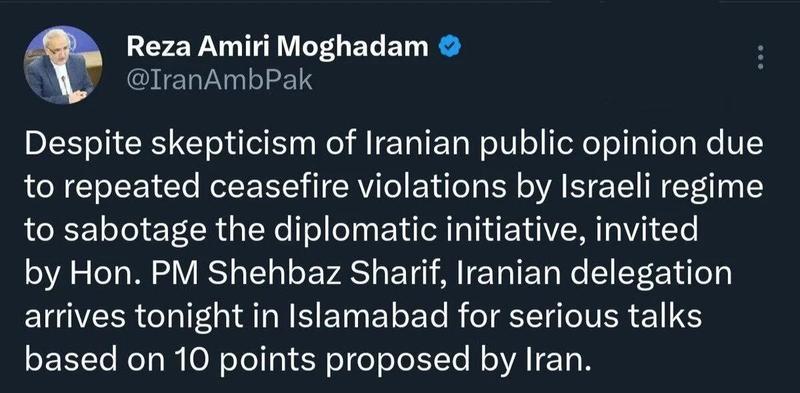
One deleted post has suddenly become the latest obsession on Chinese social media. On April 9, Iran’s ambassador to Pakistan removed an X post that had said an Iranian delegation would arrive in Islamabad that night for serious talks, based on 10 ceasefire points proposed by Tehran. In a normal diplomatic moment, this would be a small detail. In the middle of a fast-moving regional war, it feels like a flashing warning light.
What Was Deleted, and Why People Noticed
According to Xinhua’s report from Islamabad, Iranian ambassador Reza Amiri Moghadam deleted a post stating that despite repeated Israeli violations of the ceasefire, an Iranian delegation had accepted an invitation from Pakistani Prime Minister Shehbaz Sharif and would head to Islamabad for talks. The post specifically said the discussions would center on 10 Iranian ceasefire terms.
That wording mattered. It suggested Tehran was still willing to test diplomacy, even while publicly accusing Israel of breaking the truce. Once the post disappeared, the signal changed. Chinese netizens immediately began reading it as a sign that the planned meeting had been delayed, downgraded, or quietly canceled altogether.
The Likeliest Signal: Talks Are in Trouble, Not Necessarily Dead
The most reasonable reading is not that diplomacy is over forever, but that the political conditions for holding a visible, high-profile meeting have worsened sharply. If Israel continued strikes after a supposed ceasefire framework was floated, Tehran would have found it harder to justify sending officials into a public negotiation setting without looking weak in front of its own public, its regional allies, and its security establishment.
In other words, deleting the post may have been less about Pakistan and more about optics. Tehran may still be communicating through backchannels, but it no longer wants to advertise a diplomatic trip that could be overtaken by events on the battlefield within hours.
Why Pakistan Suddenly Matters
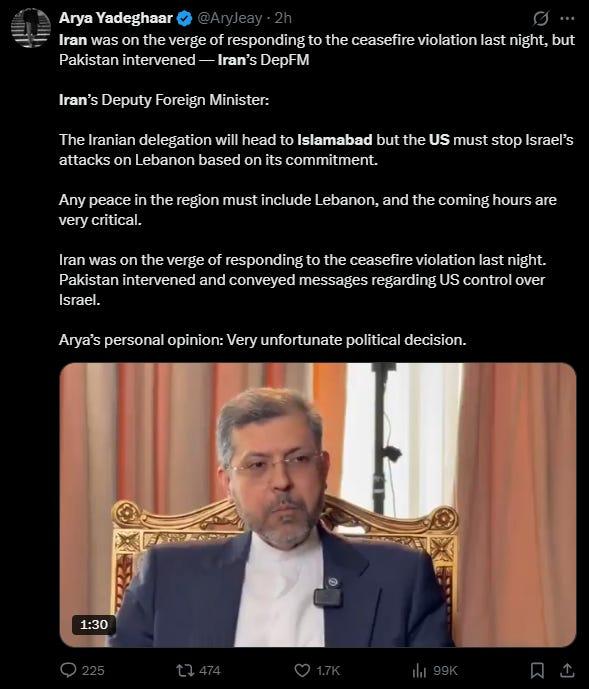
Pakistan’s role here is more important than it first appears. Tehran’s deleted message explicitly referenced an invitation from Prime Minister Shehbaz Sharif, and later commentary circulating online claimed Islamabad had intervened to prevent an immediate Iranian response to ceasefire violations. Whether or not every online claim proves accurate, one thing is clear: Pakistan was trying to position itself as a mediator, messenger, or emergency brake.
That gives Islamabad a delicate job. It wants to prevent a wider regional fire while preserving ties with Tehran, Washington, and the Gulf. But mediation only works if both sides believe the channel still has value. Once one party starts deleting official announcements, it usually means trust is thinning out.
“When a government deletes a diplomatic announcement in the middle of a war, the message is often not silence. The message is that the ground has shifted.”
Will the Talks Still Happen?
Probably not in the clean, scheduled, camera-ready way first implied. That does not mean contact has stopped. It means any talks that continue are more likely to happen indirectly, quietly, or after a new round of military signaling. In this kind of conflict, official meetings often move only after each side tries to improve its position first.
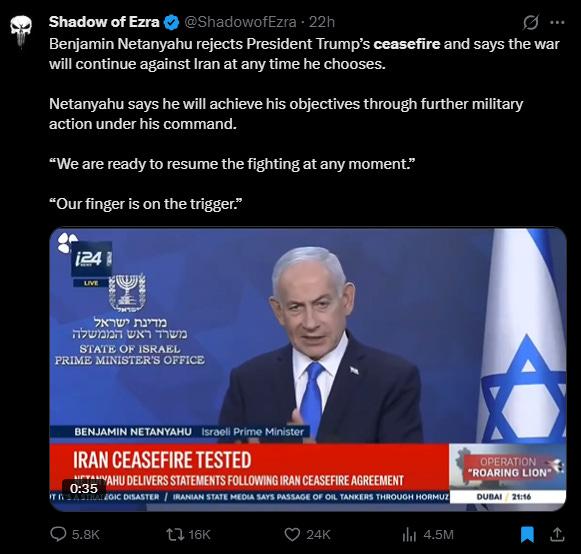
The deepest problem is credibility. Tehran says Israel keeps violating the ceasefire. Many Chinese commentators now argue that even if Washington wants a pause, it either cannot guarantee Israeli compliance or does not want to pay the political price of forcing it. If Iran believes a truce simply creates space for the other side to regroup or strike its allies, then public negotiations become far harder to sell.
So yes, dialogue may still occur. But “as scheduled” looks increasingly unlikely. The real question is no longer whether someone can host a meeting in Islamabad. It is whether any side still believes words on paper can survive the next 24 hours.
Why This Story Blew Up on Zhihu
On Zhihu, the deleted post quickly turned into a broader argument about whether ceasefires in the current Middle East conflict are meaningful at all. Many high-ranking answers did not treat the deletion as a narrow diplomatic technicality. Instead, they saw it as proof that negotiations had already lost their foundation. The common sentiment was blunt: if strikes continue during a supposed pause, then diplomacy is becoming theater.
That reaction tells us something about the Chinese online mood. For many users, the story is not really about one ambassador pressing delete. It is about a larger belief that public ceasefire language, especially when major powers are involved, can be used tactically rather than sincerely. That skepticism is exactly why such a small online action produced such a large political reaction.
The Bigger Picture
If the Islamabad talks are postponed or quietly abandoned, it does not mean diplomacy has failed forever. It means war is still setting the timetable. Negotiation in this environment is rarely a straight line. It comes in bursts, retreats, denials, trial balloons, and sudden reversals. A deleted post is part of that pattern.
For now, the strongest signal from Tehran seems to be this: Iran does not want to be seen rewarding ceasefire violations with business-as-usual diplomacy. Whether that position hardens into a full rejection of talks will depend less on what diplomats say next and more on what happens next on the ground.
Curated and translated from Zhihu, China's largest Q&A platform. Read the original discussion →
Newsletter
Subscribe to The Expat Edit
Chinese perspectives on global events, wars, and great power competition. Curated from Zhihu.
Free. No spam. View on Substack →