
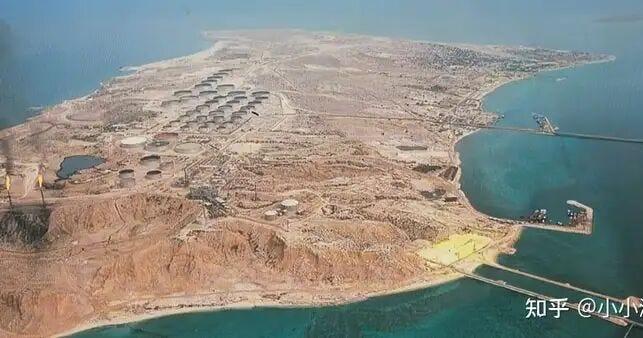
Fresh reports from Iran say Kharg Island was struck again on April 7, with multiple explosions heard on the island. For anyone watching oil markets, shipping routes, or the wider Middle East, this is not just another military headline. Kharg is the artery of Iran’s oil exports. Hit it hard enough, and the pressure shifts from the battlefield to the global economy. The big question now is simple: how does Tehran respond, and does the Strait of Hormuz become the next front?
Why Kharg Island Matters So Much
Kharg Island is not just another patch of land in the Gulf. It is Iran’s primary crude export terminal and one of the most strategically sensitive energy sites in the region. A strike there sends a message far beyond Iran itself. It tells markets that the war is moving closer to the plumbing of global energy supply.
According to reports circulating in Chinese media and on Zhihu, earlier US strikes claimed to have hit more than 90 military targets on the island, including naval mine storage and missile-related facilities, while leaving oil infrastructure intact. That distinction matters. It suggests that, at least for now, Washington may be trying to increase military pressure without triggering an immediate global oil shock. But once explosions start happening repeatedly around such a critical site, that line becomes harder to hold.
What Chinese Netizens Think Is Coming Next
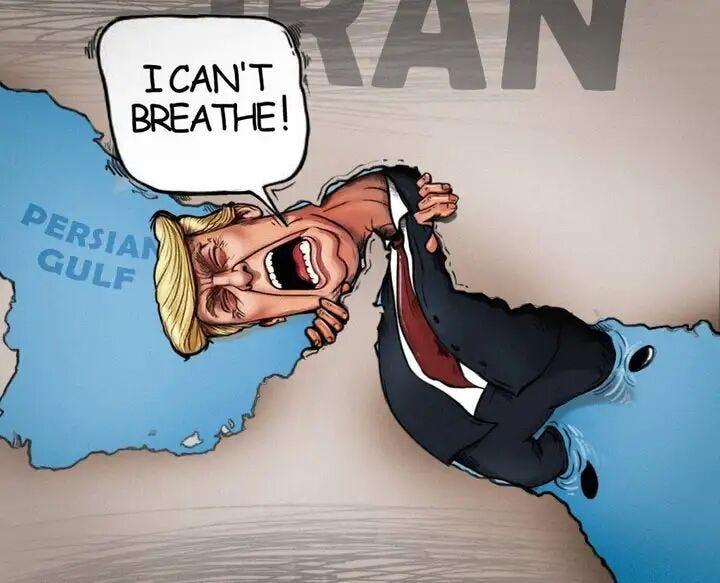
The Zhihu discussion is blunt, alarmed, and in many cases openly apocalyptic. Several of the most upvoted answers argue that the conflict is now entering a classic escalation spiral. In that view, once chemical plants, transport nodes, and strategic export hubs are being hit, it becomes harder for either side to step back without looking weak.
One major theme in the thread is that Iran may now widen the battlefield rather than respond symmetrically. Instead of trying to match the United States or Israel in conventional airpower, Tehran’s most effective retaliation would be to target vulnerabilities in the regional system itself. That means shipping, energy facilities, and chokepoints. In plain English, if Iran cannot dominate the skies, it can still make the Gulf too dangerous to function normally.
Another recurring idea is that the real struggle may not be over the island itself, but over leverage. Some posters speculate that Kharg could be used as a bargaining chip in future negotiations over maritime access, sanctions, or the Strait of Hormuz. Others think that is too rational, and believe the war is sliding into pure punishment and destruction.
“When a war reaches oil terminals and sea lanes, the battlefield is no longer local. It starts billing the whole world.”
So Will Iran Close the Strait of Hormuz?
The short answer is that Iran may not need to formally “close” the Strait in order to achieve much of the same effect. Even limited mining, missile threats, drone attacks, or repeated harassment of tankers could send insurance rates soaring and force commercial traffic to slow, reroute, or pause. In energy markets, fear often does half the work.
A full closure would be an extreme move with major risks for Iran too. It would almost certainly invite a broader military response, possibly pull more regional states directly into the conflict, and damage countries that have not yet fully taken sides. It could also alienate important buyers of Gulf energy. That is why Tehran has historically preferred ambiguity. It likes the threat of disruption because the threat alone can move prices and raise pressure on its enemies.
But ambiguity becomes harder to maintain when the war keeps escalating. If Iran concludes that its export lifeline is already under sustained attack, then partial maritime disruption starts to look less like a reckless gamble and more like one of the few cards still left in its hand.
The Market Is Already Voting
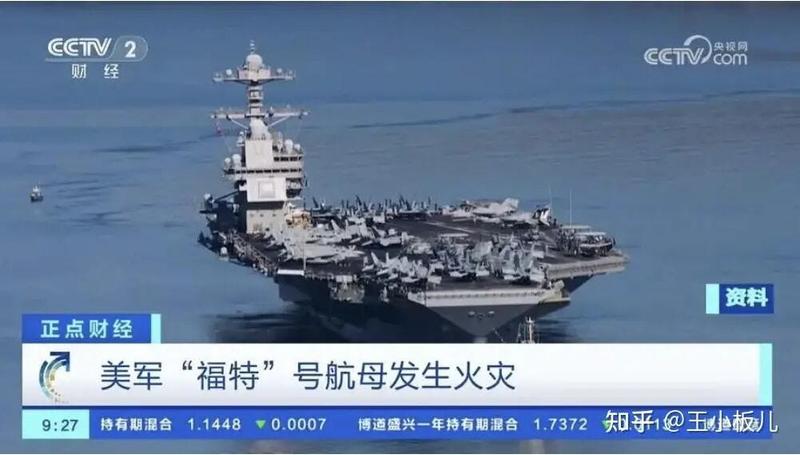
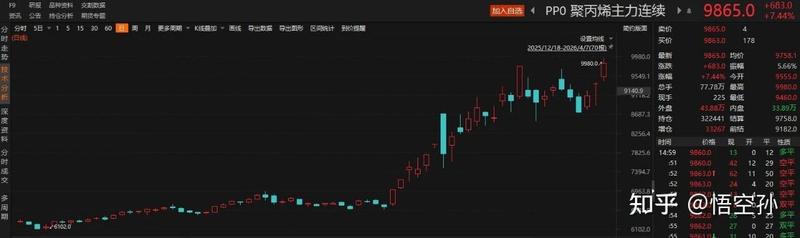
One of the more striking images circulating online is a screenshot of soaring polypropylene futures in China. It is a reminder that wars in the Gulf do not stay in the Gulf. They pass through oil, chemicals, shipping costs, fertilizers, plastics, and food prices. Chinese commenters quickly connected attacks on industrial and energy sites to ripple effects in everyday prices.
If the Strait of Hormuz becomes even partially disrupted, the impact will be immediate. Roughly a fifth of the world’s oil trade normally flows through that narrow waterway. Even the perception that transit is no longer secure can push energy prices sharply higher. For China, India, Japan, South Korea, and much of the global south, that is not an abstract geopolitical issue. It is inflation.
Trump’s Rhetoric Has Made Things Worse
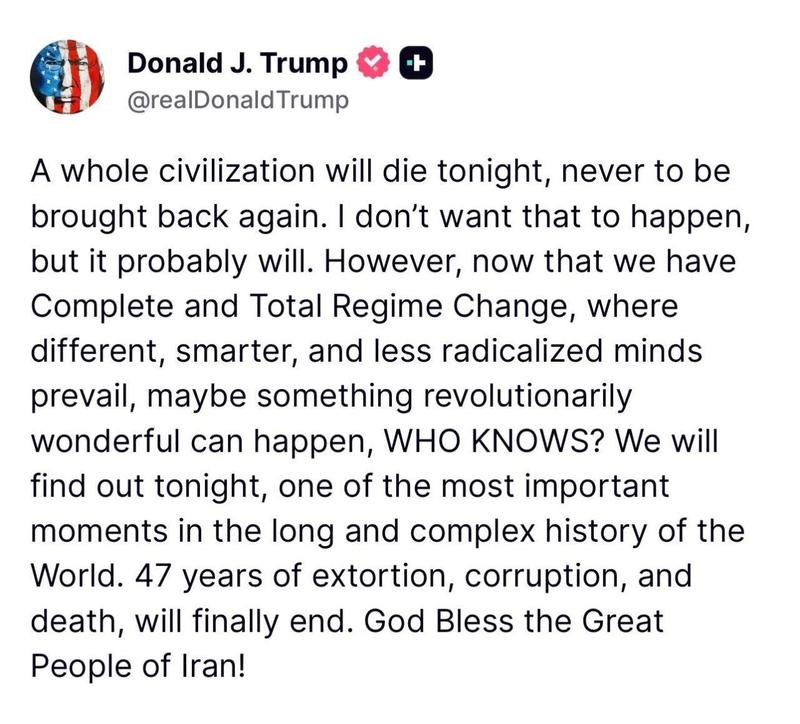
Another image spreading fast on Chinese social media is a screenshot of a Trump post claiming that “a whole civilization will die tonight” and linking that to regime change in Iran. Whatever the original political intent, the rhetoric landed badly. Online reaction in China was immediate: many users saw it as inflammatory, reckless, and politically foolish.
The reason is simple. When leaders stop talking about military targets and start talking in civilizational terms, they make compromise harder and resistance easier. Even Iranians who dislike their own government can rally around the country if they believe the outside threat has become existential. Several Zhihu answers made exactly that point. In trying to threaten Tehran, such language may actually strengthen the legitimacy of the system it seeks to weaken.
In that sense, words matter almost as much as missiles. Escalatory rhetoric narrows the room for quiet diplomacy, misreads the psychology of national survival, and increases the odds that each new strike must be answered by something bigger.
The Most Likely Next Step
The most plausible Iranian response is probably not a dramatic press conference announcing a total closure of Hormuz. It is more likely to be a layered strategy: missile and drone pressure, attacks on regional energy infrastructure, maritime harassment, and a deliberate effort to make every commercial actor in the Gulf feel exposed. That gives Tehran deniability while still raising the cost of continued strikes.
For the United States and Israel, that creates a serious dilemma. If they keep hitting strategic sites like Kharg, they increase the risk of a global economic shock. If they stop, they risk looking as though pressure failed. This is why so many Chinese observers describe the current phase as dangerous not because anyone has a brilliant plan, but because everyone may be running out of good options.
That is also why the Strait of Hormuz matters so much right now. It is not just a waterway. It is the point where military escalation turns into worldwide economic pain.
Curated and translated from Zhihu, China's largest Q&A platform. Read the original discussion →
Newsletter
Subscribe to The Expat Edit
Chinese perspectives on global events, wars, and great power competition. Curated from Zhihu.
Free. No spam. View on Substack →