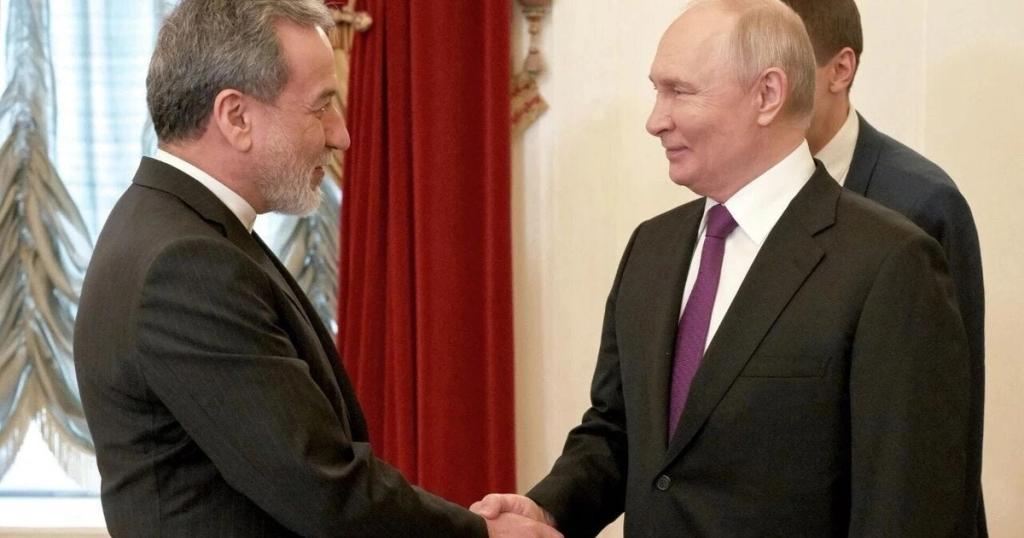
Iran’s top diplomat has landed in Saint Petersburg for talks with Vladimir Putin, and the timing could hardly be more sensitive. After weeks of conflict, pressure, and diplomatic maneuvering, many Chinese commentators are asking the same question: is this a real chance for a turn in the US Iran crisis, or is Tehran simply trying to harden its position before the next round begins? The answer, judging from the mood online and the sequence of recent visits, is probably the latter.
Why This Meeting Matters
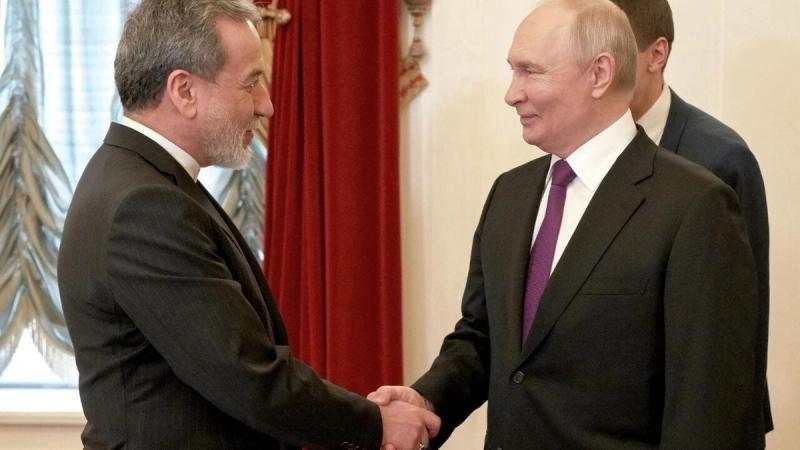
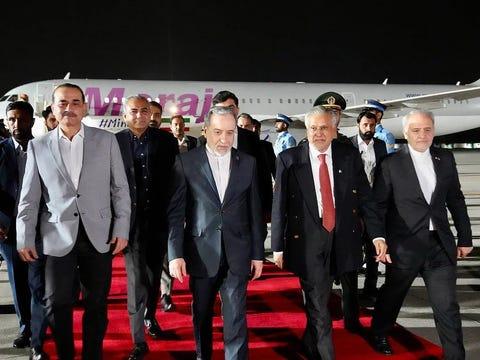
According to Iranian media, Foreign Minister Abbas Araghchi arrived in Russia early on April 27 and is set to hold talks with Putin on the latest battlefield and diplomatic developments. In Chinese discussion spaces like Zhihu, the broad consensus is that this is not a ceremonial visit. It is part of a fast-moving regional circuit that already took Araghchi to Pakistan and Oman before Russia.
That sequence tells its own story. Pakistan and Oman are channels for messages, mediation, and regional coordination. Russia is different. Russia is where Iran goes when it wants political backing, strategic advice, material support, or all three at once. In other words, this trip is being read less as a peace mission and more as a consultation with the one major power most willing to help Tehran resist pressure from Washington and its partners.
What Will Be Discussed?
Based on Chinese analysis and reported Russian talking points, the meeting is likely to center on four themes. First is the state of negotiations with the United States. Tehran appears to be briefing Moscow on recent contacts, on ceasefire conditions, and on what kind of guarantees it now wants before any serious nuclear discussion resumes.
Second is the nuclear file itself. Russian officials have reportedly floated ideas involving the storage or technical handling of Iranian enriched uranium. That makes this meeting relevant not only to the battlefield but also to the broader diplomatic architecture around Iran’s nuclear program. If Moscow can position itself as both supporter and technical intermediary, it gains leverage with everyone involved.
Third is the Strait of Hormuz. Iranian and regional messaging has increasingly focused on sea lanes, security arrangements, and the terms under which maritime pressure might be eased or maintained. Oman matters here, but Russia’s political blessing would give Tehran added confidence in pushing its preferred framework.
Fourth is the most sensitive point of all: support. Not just rhetorical support at the UN, but practical support in intelligence, logistics, trade, food supply, air defense, and potentially military replenishment. Even when no official details are made public, that is the issue many Chinese commentators believe sits at the core of this visit.
“This looks less like a final push for peace and more like Iran checking how strong its rear support really is.”
The Chinese Internet’s Main Read
The most liked Zhihu answers are strikingly blunt. Their core view is that Iran already knows who can and cannot help. China may offer diplomatic balance, trade, and humanitarian support, but few serious Chinese commenters expect Beijing to directly step into a military confrontation. Russia, by contrast, is viewed as the country with both the motive and the experience to help Iran sustain pressure against the United States.
Some posts go much further and claim that Russian intelligence support has already played a meaningful role in helping Iran identify and strike sensitive targets. Those claims are difficult to independently verify and should be treated cautiously, but their popularity is revealing. On Zhihu, many users clearly believe that Russia is already more deeply involved than public statements suggest.
There is also a widespread sense that Tehran is acting with more strategic discipline than Washington. In this reading, Iran has been moving in a sequence: communicate a negotiating framework, coordinate with neighbors, then secure great power backing. That does not mean Iran is stronger overall. It means many Chinese netizens think it is playing a longer and more methodical game.
Is This a Turning Point for US Iran Relations?
Probably not in the optimistic sense. If there is a turning point here, it may be a turn toward a more structured standoff rather than a genuine settlement. Chinese commentary is skeptical that this meeting will suddenly unlock peace. The more common prediction is that Russia’s role will become more visible, more direct, and harder for Washington to ignore.
In that scenario, the effect is not de-escalation but recalibration. The United States would have to deal not only with Tehran’s demands and regional leverage, but also with Moscow’s influence over sanctions, nuclear diplomacy, energy markets, and arms channels. That complicates any strategy based purely on maximum pressure.
Several Chinese writers also note that Russia benefits materially from prolonged instability in the Middle East, especially through higher energy prices and greater pressure on US attention and resources. If that is true, Moscow has every reason to keep Iran standing firm, even if it stops short of becoming an open co-belligerent.

The Less Glamorous Issue: Food, Water, and Survival
One of the more interesting threads in the Chinese discussion is that some users think the real issue is not missiles or slogans but survival. They point to drought conditions in Iran, stress on reservoirs, pressure on agriculture, and the risk of maritime disruption. In this view, Tehran needs more than diplomatic support. It needs routes for grain, basic goods, and economic breathing room.
That is where Russia becomes especially relevant. If seaborne options are constrained, northbound channels through the Caspian and broader Russian linked logistics networks become more important. Even if military headlines dominate the news, the ability to keep food and trade moving may matter just as much in determining how long Iran can hold out.
So What Should We Watch Next?
The first signal will be the tone of official readouts. If both sides emphasize broad friendship and regional stability, the meeting may have produced little beyond optics. If they start talking about technical nuclear arrangements, transport corridors, security coordination, or named future summits, then something more substantive is taking shape.
The second signal will be what happens outside the meeting room. Watch the UN track, watch the language around Hormuz, and watch whether reports emerge of new deliveries, new payment mechanisms, or new transport agreements. Those details matter more than any public handshake.
For now, the most realistic reading is simple. Araghchi’s trip to Saint Petersburg is important, but not because it guarantees peace. It matters because it may show whether Iran thinks it can keep resisting with stronger backing from the north. If that answer is yes, then this is not the beginning of the end of the crisis. It is the beginning of its next chapter.
Curated and translated from Zhihu, China's largest Q&A platform.
Newsletter
Subscribe to The Expat Edit
Chinese perspectives on global events, wars, and great power competition. Curated from Zhihu.
Free. No spam. View on Substack →