
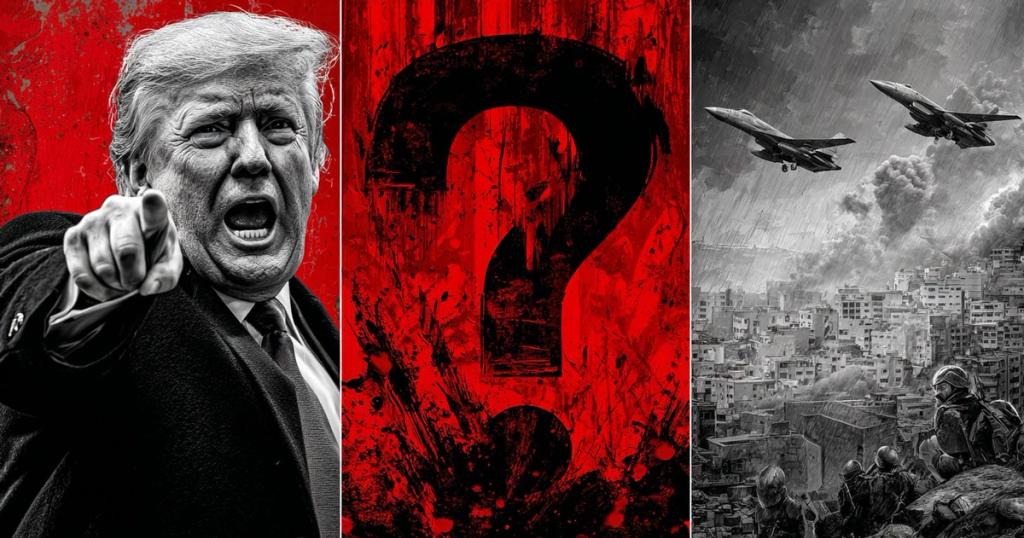
Iran is calling it a victory. Washington is talking like peace is suddenly within reach. And social media, especially on Zhihu, is treating the whole thing with a mix of disbelief, sarcasm, and deep suspicion. After 40 days of conflict, Tehran’s top security body says the US has in principle accepted a sweeping set of Iranian demands, from no more military action to sanctions relief and continued Iranian control over the Strait of Hormuz. The catch is obvious: almost nobody believes these terms are final, and even fewer believe they will be honored as stated.
What Iran Says It Won
In its April 8 statement, Iran’s Supreme National Security Council congratulated the Iranian people on what it described as a major victory. The statement said the United States had, in principle, committed to a remarkable list of obligations. According to Tehran, Washington has accepted that it will not launch further military action, will recognize Iran’s continued control over the Strait of Hormuz, will accept Iranian uranium enrichment, will remove primary and secondary sanctions, will scrap related UN Security Council and IAEA Board resolutions, will compensate Iran for damages, will withdraw US combat forces from the region, and will halt military action across all fronts.
Read literally, it sounds less like a ceasefire framework and more like a complete geopolitical reversal. That is exactly why so many Chinese commenters immediately treated it with caution. On Zhihu, the dominant reaction was not celebration but incredulity. Users joked that if America truly accepted these terms, then even the most humiliating treaties in history would look modest by comparison. Others argued that Tehran may be publicizing a maximalist list on purpose, either to strengthen its negotiating position, to shape global opinion, or to trap Washington politically if fighting resumes.
Why Nobody Thinks This Is Settled
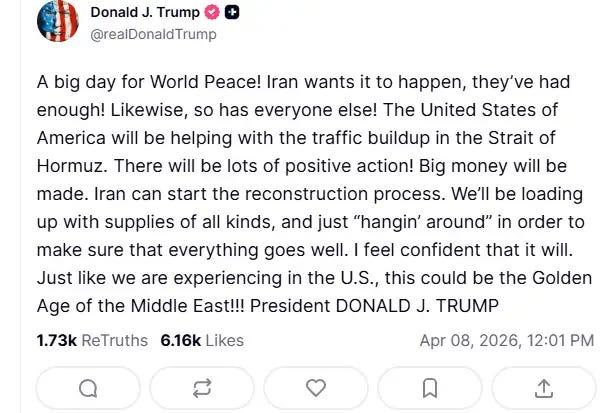
The central problem is simple. There is a massive difference between agreeing to talk on the basis of a proposal and actually agreeing to every term inside it. Several of the more sober Zhihu responses pointed this out. Iran may have offered a ten point framework, and the US may have signaled willingness to discuss it, but that does not mean Washington has endorsed the full package. In any real negotiation, opening demands are often designed to be cut down later. Tehran’s list reads like an opening ask at the highest possible level.
Chinese netizens were especially skeptical because many believe the military picture still does not match the political language. If the US is still assembling forces in and around the Gulf, then a sudden embrace of a near total Iranian wish list looks suspicious. More than one popular answer compared the situation to an obvious scam. If the other side is agreeing too easily, too quickly, and too completely, it usually means the real play has not started yet.
This is the core tension hanging over the current pause. Iran wants to lock in a narrative of endurance and strategic success. The US may want breathing room, flexibility, and de-escalation without conceding its core goals. Both sides may be speaking to different audiences with different messages at the same time.
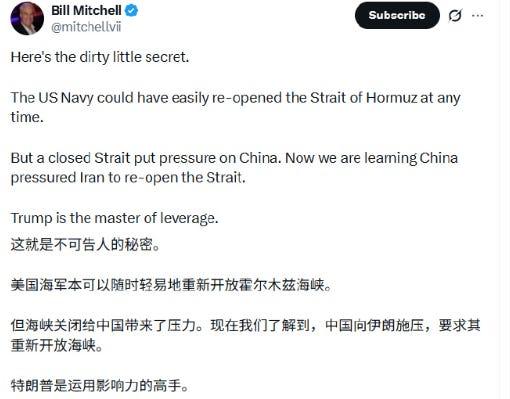
“The loudest signal right now is not peace. It is positioning.”
The Strait of Hormuz Is the Real Test
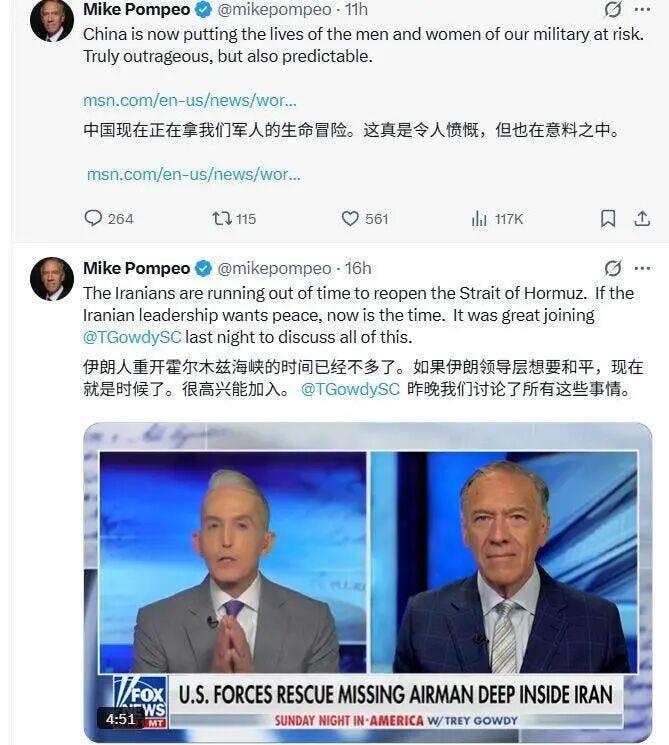
Much of the online debate in China quickly narrowed to one practical question: who actually controls the Strait of Hormuz, and what does that control mean in the real world? This is where propaganda collides with something measurable. If Iran truly maintains effective control over the waterway, and if shipping behavior changes accordingly, then Tehran can argue it has achieved something concrete. If not, then much of this “victory” remains rhetorical.
Some commentators went further, saying the easiest way to judge who is really winning is to watch what happens to commercial shipping. If tankers pass through and effectively acknowledge Iranian authority, whether through fees, routing behavior, or de facto compliance, then the implications are enormous. If the US Navy restores the old status quo without meaningful concession, then Iran’s claims start to look far less durable.
This is why Hormuz matters more than slogans. It sits at the intersection of oil flows, naval credibility, market confidence, and regional deterrence. Whoever shapes traffic there shapes the postwar narrative.
Why Chinese Commenters Are So Skeptical
The Zhihu thread was notable for how few people took the Iranian announcement at face value. The most popular responses were not legalistic or diplomatic. They were instinctive. Many users argued that if Washington appears willing to discuss an “unbelievable” offer, that may be a warning sign rather than a breakthrough. Several framed it as a classic delay tactic, with negotiations buying time for troop movements, logistics, intelligence work, or another round of military pressure.
Others saw the statement mainly as domestic messaging. From that perspective, Iran is trying to consolidate public morale, discourage internal dissent, and show that resistance produced gains. Declaring victory before details are finalized can serve a political purpose at home even if the final agreement looks very different. That reading was common among users who noted the careful wording in the statement itself, which stressed that the final details still need to be secured.
There was also a broader sense of fatigue with modern wartime messaging. One sharp comment summed up the mood neatly: in older wars there were no winners, but in modern wars there are apparently no losers. That cynicism reflects something bigger than this conflict alone. Many Chinese observers increasingly assume that all major powers are fighting two wars at once, one on the battlefield and one in the information space.
What Actually Looks Negotiable
If you strip away the most theatrical claims, there is still a possible negotiating space. A temporary halt in major operations is plausible. Some form of partial sanctions easing is possible, especially if framed as humanitarian, energy related, or conditional. Limited understandings around shipping security in Hormuz could also emerge, particularly if all sides want to calm markets without publicly conceding too much.
But the harder items remain exactly where they have always been. Full US recognition of Iranian control over Hormuz would be a dramatic strategic concession. Full sanctions removal would require far more than a battlefield pause. Compensation for war damage is politically explosive. A complete American military withdrawal from the region is even less likely. And on the nuclear file, the gap may still be the biggest of all.
One of the more disciplined Zhihu responses made an important point: if you want to know who is really winning, watch the nuclear issue. That is the least flexible and least theatrical part of the dispute. Uranium stockpiles, enrichment levels, centrifuges, inspections, and facility access are all much harder to blur with clever language. If those issues remain unresolved, then any broader “victory” narrative stays incomplete.
So Where Do Talks Go From Here?
The short answer is that talks may continue precisely because neither side trusts the other. Negotiations can still be useful in that environment. They can reduce immediate escalation, test each side’s red lines, and create time for diplomacy, military planning, or domestic political management. That does not mean a durable settlement is close.
Iran’s public position gives it maximum rhetorical leverage. If the US rejects the framework outright, Tehran can say Washington never wanted real peace. If Washington keeps talking, Iran can tell its public that pressure worked. On the American side, vague language about peace, reconstruction, and stability allows room to de-escalate without openly endorsing Tehran’s biggest demands. In other words, both sides have incentives to keep the ambiguity alive for now.
That makes the current moment less a peace breakthrough than a strategic intermission. The next signals to watch are not the victory statements. They are shipping patterns in Hormuz, military deployments in the Gulf, nuclear inspection language, and whether Israel actually slows down. Until those move in a consistent direction, the smartest reading is still the simplest one: the war may be pausing, but the contest over who gets to define the outcome has only just intensified.
Curated and translated from Zhihu, China's largest Q&A platform. Read the original discussion →
Newsletter
Subscribe to The Expat Edit
Chinese perspectives on global events, wars, and great power competition. Curated from Zhihu.
Free. No spam. View on Substack →