
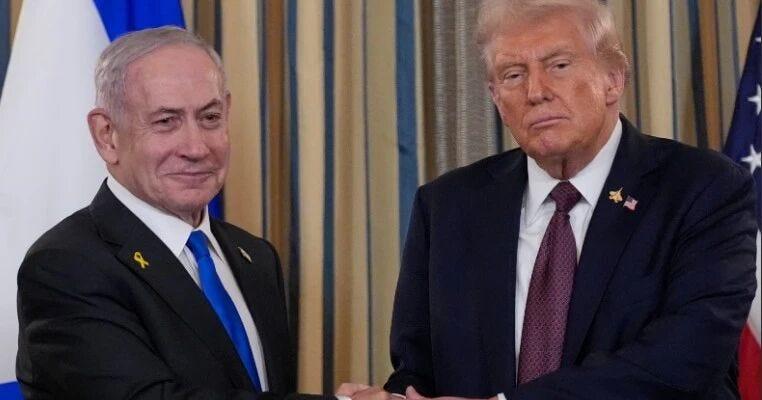
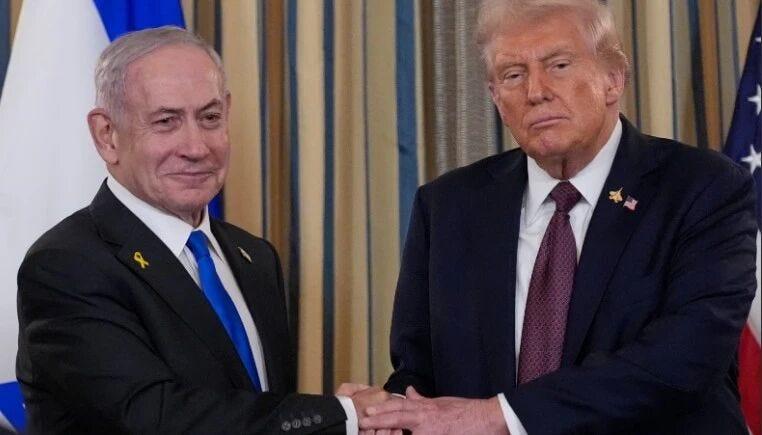
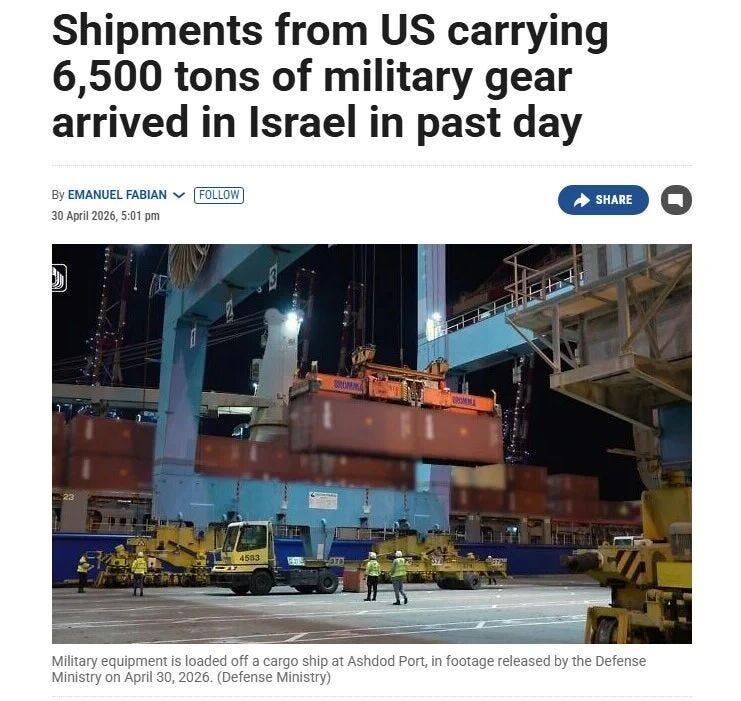
Israel says it may soon need to resume military action against Iran. Within the same 24 hour window, 6,500 tons of military equipment reportedly arrived in Israel, including large quantities of air munitions. That combination has triggered a wave of speculation across Chinese social media: is Washington quietly green-lighting another round of escalation, or simply making sure Israel is stocked up if diplomacy collapses?
The 6,500 Ton Question
The most attention-grabbing number here is the 6,500 tons. On paper, that sounds enormous, and politically it is. It sends a very public signal that the US-Israel military pipeline is fully active. But tonnage alone does not tell you how close a new war is. Military shipments can include everything from aviation bombs and spare parts to defensive systems, support equipment, and stockpile replenishment after earlier fighting.
Thanks for reading Silk & Steel! Subscribe for free to receive new posts and support my work.
In other words, the shipment matters less as a single battlefield statistic and more as a strategic message. Washington appears to be making sure Israel has operational freedom if the regional situation worsens. That does not necessarily mean an immediate strike is locked in, but it does mean the Americans do not want Israel constrained by shortages if talks with Iran fall apart.
What Israel Is Really Signaling
Israeli Defense Minister Israel Katz did not say war was definitely restarting. His wording was more careful. Israel supports US-Iran talks, he said, but might “soon need to act again.” That phrasing is classic strategic pressure. It reminds Tehran that diplomacy is taking place under threat. It also nudges Washington by implying that if negotiations fail, Israel expects not just sympathy, but practical backing.
For Israel, this is about leverage as much as preparation. Publicly talking about renewed action can shape the negotiating environment. It can also reassure domestic audiences that the government has not accepted a frozen conflict. After months of regional tensions, Israeli leaders want to project readiness on every front, even if the actual decision to strike still depends heavily on what the US does next.
So What Role Would the US Actually Play?
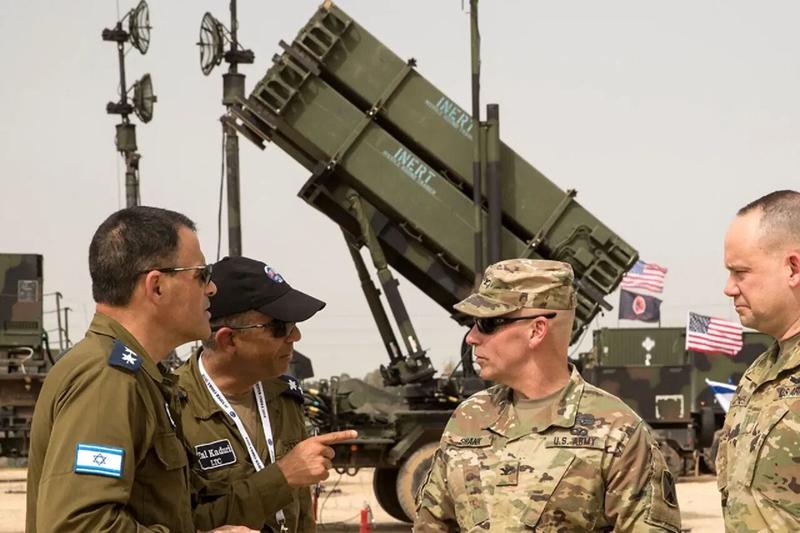
The most likely American role is not a dramatic Hollywood-style declaration of war. It is more layered than that. The US can provide intelligence, munitions, refueling support, missile defense, naval positioning, diplomatic cover, and pressure on Iran’s economy and energy infrastructure. That means Washington can shape the war even without appearing to “own” it in public.
If talks collapse, one possible scenario is that Israel carries out the first wave while the US supports from behind the scenes. Another is a more direct American role if Iran retaliates against shipping lanes, Gulf assets, or US bases. Recent reports in Israeli media suggest American planners are considering how to intensify pressure around the Strait of Hormuz and how to hit Iranian infrastructure if escalation becomes unavoidable.
That is the key point. The US may prefer to avoid being seen as the one pulling the trigger first, but it is clearly positioning itself so that if the conflict resumes, it can scale up fast.
“Washington does not need to lead from the front to shape the battlefield. In this crisis, logistics may be the loudest signal of all.”

Why Chinese Social Media Sees More Than Just Logistics
On Zhihu and elsewhere, many comments are less focused on the shipment itself and more focused on political incentives. Some argue Netanyahu needs constant external pressure to survive politically at home. Others argue Trump, despite his long running anti-war image, has shown that he can still authorize force when the political or strategic pressure becomes intense enough.
A lot of these online takes go far beyond verified reporting, especially when they drift into conspiracy or personal scandal. But they do capture something real about how Chinese readers interpret this story. In that view, the issue is not whether Israel wants to strike Iran. The issue is whether US domestic politics, alliance politics, and military readiness are aligning to make another clash easier to launch.
That helps explain why the 6,500 ton figure has exploded online. People are reading it as a clue to intent. Not proof, but a clue.
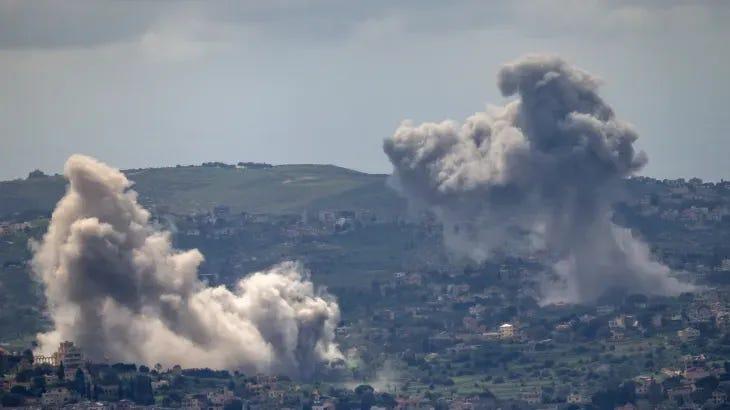
What to Watch Next
The next few days matter more than the rhetoric. If US-Iran talks keep limping forward, Israel may continue using the threat of force as pressure rather than action. If negotiations visibly break down, and if the US begins moving more missile defense assets, naval units, or strike platforms into position, then the risk level rises quickly.
Another thing to watch is whether Washington frames any next step as protecting trade routes, defending allies, or responding to Iranian escalation. The wording matters because it shapes how much ownership the US is willing to take. America often enters these moments indirectly first, then more openly later if the conflict spreads.
So can cash, cargo, and tough language predict war? Not on their own. But taken together, they suggest a familiar pattern: diplomacy in public, military insurance in private, and a growing sense that if negotiations fail, the US will not sit this one out.
Thanks for reading Silk & Steel! Subscribe for free to receive new posts and support my work.
Curated and translated from Zhihu, China's largest Q&A platform.
Newsletter
Subscribe to The Expat Edit
Chinese perspectives on global events, wars, and great power competition. Curated from Zhihu.
Free. No spam. View on Substack →