
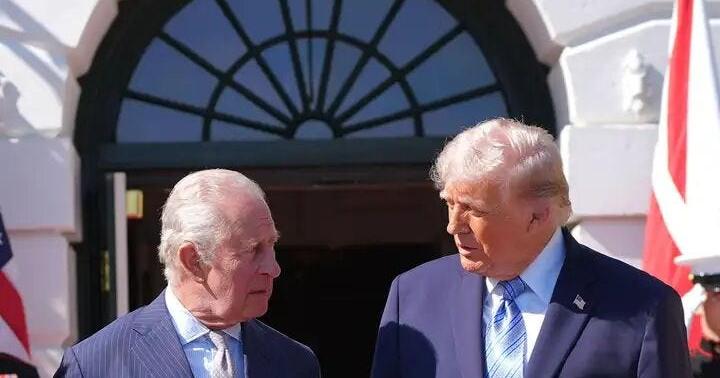
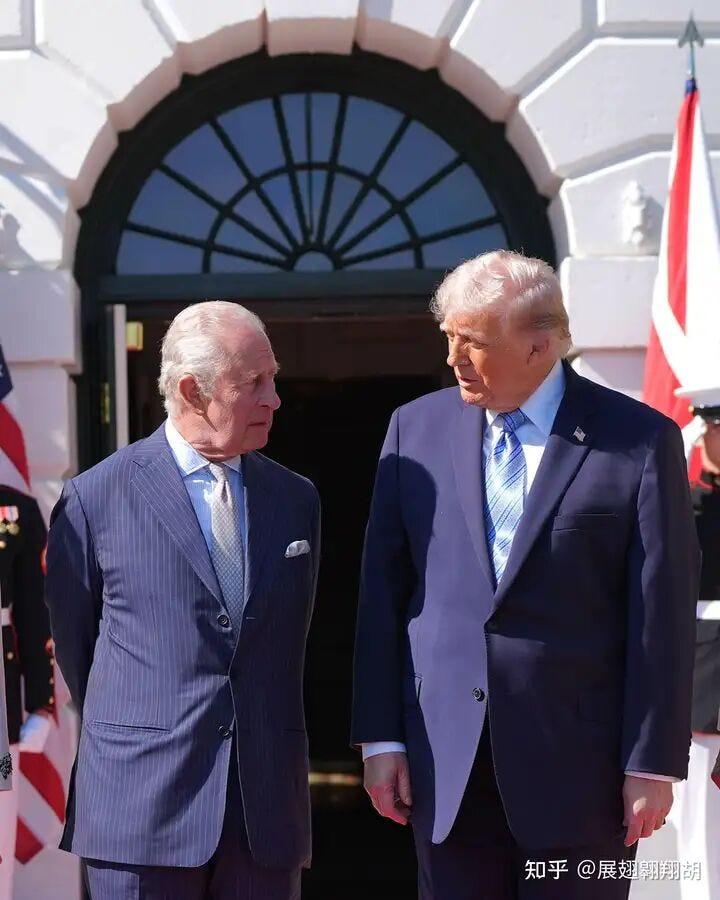
A single line from King Charles III set off a mini internet frenzy this week. Speaking in Washington during his first US state visit since taking the throne, Charles reportedly quipped that without Britain, Americans might still be speaking French. Trump, sitting below, gave the kind of smile that instantly launched a thousand Zhihu threads. Was it a historical joke, a diplomatic jab, or a very British way of saying: maybe tone down the “America saved everyone” routine?
What Charles Was Actually Referring To
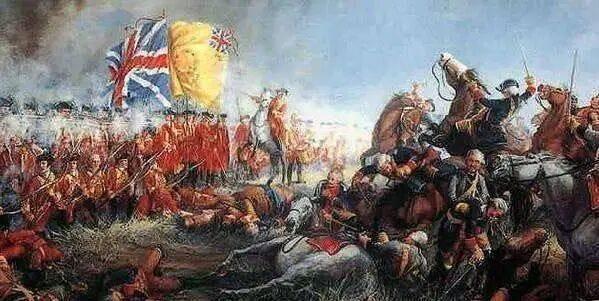
The line was not random. It points back to the 18th century struggle between Britain and France for control of North America. Before the United States became independent, much of the continent was divided among European empires, and Britain and France were the biggest rivals. In the Seven Years’ War, known in North America as the French and Indian War, Britain defeated France and forced it to surrender most of its holdings in mainland North America.
That matters because Charles’s joke rests on a simple historical claim: if France had remained dominant in North America, the future United States would have looked culturally and linguistically very different. English might not have become the dominant language. French influence would have been much stronger, perhaps decisive in some version of history. So yes, as a joke, it had a real historical backbone.
Of course, history is never that neat. Empires fall, colonies rebel, languages mix, and political outcomes are shaped by far more than one war. But as a line crafted for maximum effect in a banquet room, it was sharp, compact, and easy to understand.
Why Chinese Netizens Saw It as a Trump Dig
The joke landed because many people immediately linked it to one of Trump’s favorite talking points. Trump has often argued that without American intervention in World War II, Europeans would now be speaking German. It is classic Trump rhetoric: blunt, self-congratulatory, and designed to remind allies who he thinks saved whom.
Charles’s line sounded like a mirror image of that argument. If Trump likes saying Europe owes America for not speaking German, then Charles was effectively saying America owes Britain for not speaking French. Same structure, same historical swagger, just flipped back at him with polished royal delivery.
That is why the quote exploded online. It was not just a history joke. It was read as a very deliberate “your line, but better” moment. British humor often works like that. The knife is real, but it arrives wrapped in velvet.
“It was less an insult than a royal callback: if America can joke that Europe would speak German, Britain can remind America who beat France first.”
The Even Sharper Joke: Burning the White House
For many online commentators, the French line was not even the best part. Another widely discussed remark referenced the White House itself. Charles reportedly alluded to British efforts in 1814 to give it a sort of “real estate redevelopment,” a dry joke about one of the most embarrassing episodes in early US history.
During the War of 1812, British forces marched into Washington and set fire to several government buildings, including the White House and the Capitol. It remains one of the rare moments when a foreign military captured the US capital and torched the symbolic heart of the government. For a British monarch to mention that history while standing in modern Washington was peak aristocratic mischief.
The wording mattered. Instead of sounding aggressive, it sounded almost absurdly polite, as if the destruction of a presidential residence were just a tasteful architectural intervention. That contrast is exactly why people found it funny. It turned old imperial violence into understated drawing-room wit.

But Is the History Really That Simple?
Not exactly, and that is where the online debate got more interesting. While Britain’s victory over France helped make English North America dominant, France also played a crucial role in helping the American colonies break away from Britain. French money, weapons, troops, and naval support were central to the American victory in the Revolutionary War. If Britain helped make North America English-speaking, France helped make the United States independent.
That contradiction is part of the fun. Charles’s line works as a jab because it is selectively true. It highlights one historical chapter while quietly ignoring another. Several Chinese commenters joked that if anyone should claim credit for America’s existence, it might be Louis XVI, who bankrolled the revolution and lost much more than money in the process.
In other words, the quote was clever, but it was still rhetoric, not a history lecture. It was designed to score a point in a room full of diplomats and cameras, not settle the centuries-long question of who really midwifed the United States.
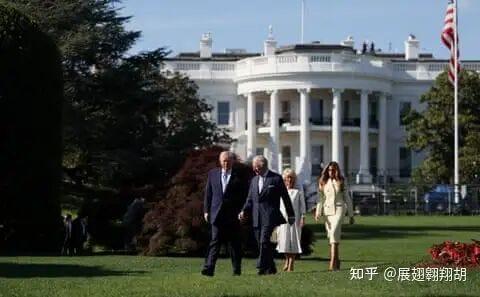
So What Was Trump Thinking?
No one knows, but internet speculation was immediate. Some thought he recognized the jab and chose to laugh it off because there was no elegant comeback. Others argued that in a formal state setting, especially with cameras rolling and royal protocol in full effect, the only option was to smile and move on.
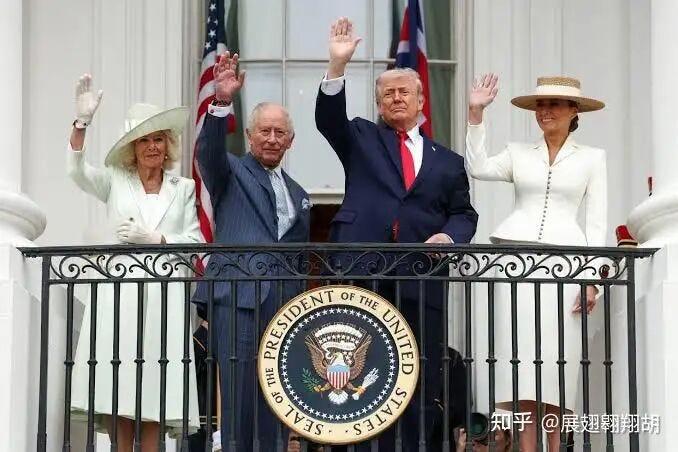
There is also a practical explanation. Trump and Charles represent countries that still publicly market their relationship as “special,” even when the dynamic is full of ego, historical baggage, and occasional passive-aggressive theater. Smiling through the joke keeps the scene light while avoiding the optics of visible irritation.
The awkward smile mattered because it completed the scene. Without it, this would have been just another royal one-liner. With it, it became meme material. Diplomacy today is not only conducted in meeting rooms. It is also judged frame by frame, facial expression by facial expression, by millions of people online.
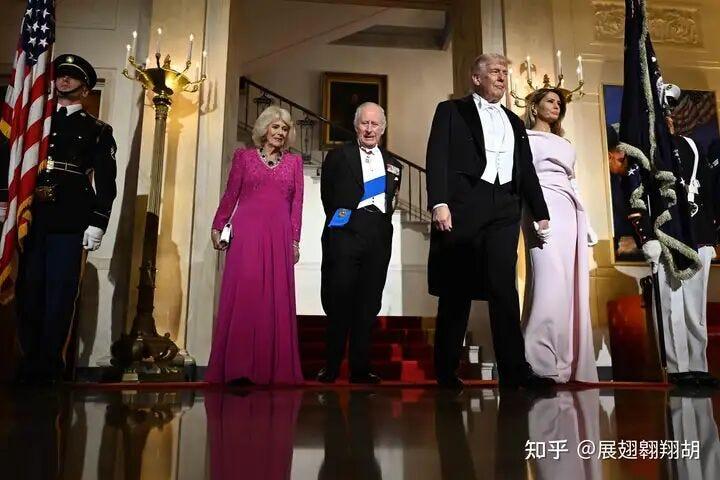
Why This Tiny Moment Traveled So Far
Chinese audiences especially love moments like this because they combine three irresistible ingredients: great power politics, historical pettiness, and public humiliation disguised as good manners. Add Trump, add the British monarchy, add one line with just enough truth to sound authoritative, and it becomes perfect platform bait.
But the bigger reason it resonated is that it condensed the whole Anglo-American relationship into one joke. Britain likes reminding America where its political traditions, language, and elite culture came from. America likes reminding Britain who actually writes the security checks now. The “French” line was funny because it captured that old rivalry inside a supposedly friendly alliance.
In the end, Charles did what good royals often do best. He said something polished enough to pass as humor, pointed enough to dominate the news cycle, and ambiguous enough that everyone could project their own politics onto it. Trump may have laughed, but the internet heard a score being settled.
Curated and translated from Zhihu, China's largest Q&A platform.
Newsletter
Subscribe to The Expat Edit
Chinese perspectives on global events, wars, and great power competition. Curated from Zhihu.
Free. No spam. View on Substack →