
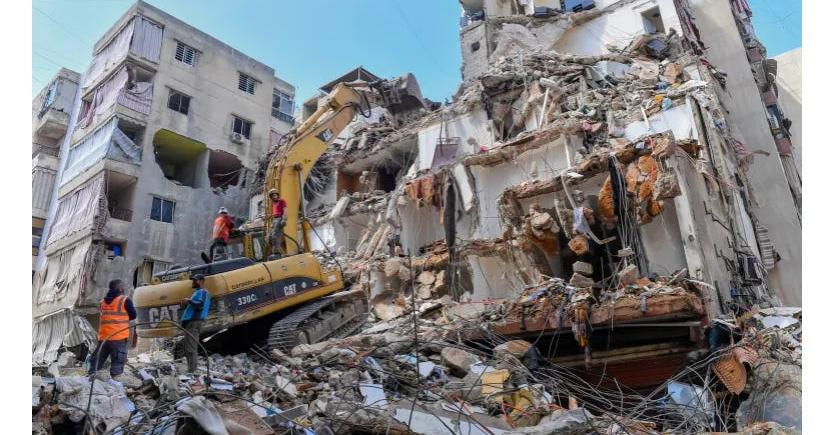
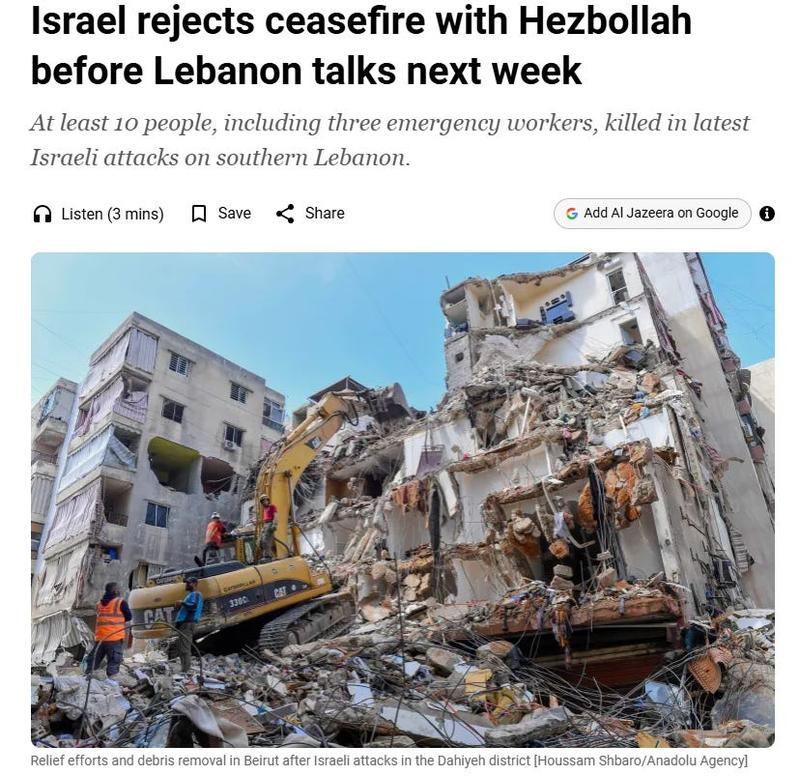
A fresh claim from Iran has thrown the region into another round of confusion. Iranian officials say the United States has agreed to unfreeze Iranian assets and support a ceasefire in Lebanon. Washington, at least publicly, has not confirmed that version of events. The White House had earlier denied agreeing to release frozen Iranian funds. So what is actually happening here? Most likely, we are not looking at a finalized deal. We are watching a high stakes bargaining process in public, with each side trying to shape the narrative before the ink exists on any real agreement.
What Iran Said, and Why It Matters
According to Chinese state media reporting on April 11, Iran said the US had agreed to two major things: first, to unfreeze Iranian assets held abroad, and second, to accept a ceasefire in Lebanon. The timing matters. These claims emerged during an already tense moment in wider US-Iran contacts, and in the middle of active uncertainty over whether any broader pause in conflict can hold across multiple fronts.
The key issue is that these two items are not minor side notes. For Tehran, frozen assets mean tangible economic relief. Lebanon means something even bigger: whether Iran can de-escalate without looking like it abandoned Hezbollah or accepted that Israel can keep hitting one part of the so called resistance axis while diplomacy proceeds elsewhere.
The Real Story May Be About Preconditions, Not Agreement
One of the more grounded readings circulating in Chinese discussion spaces is that the US has not actually accepted Iran’s demands outright. Instead, these issues may have been raised as preconditions or agenda items in mediated talks, reportedly with Pakistani intermediaries helping shuttle messages between the two sides. In that interpretation, Iran proposed face to face talks only if two conditions were addressed: asset relief and a Lebanon ceasefire.
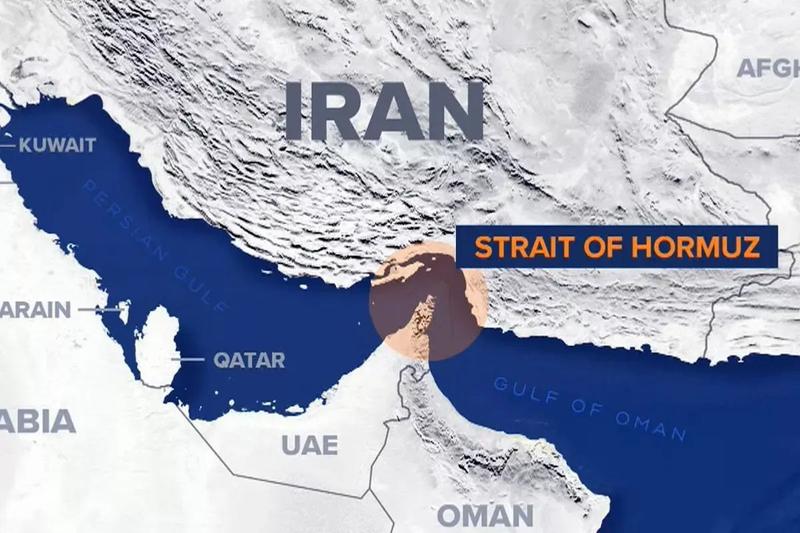
The US response, according to this reading, was more conditional. Asset unfreezing may have been folded into a broader discussion tied to safe shipping through the Strait of Hormuz. In other words, Washington may be saying: if Iran helps guarantee maritime security, then some financial relief could be discussed. That is very different from simply saying yes.
“Right now, the biggest gap is not just over terms. It is over what each side claims has already been promised.”
Why Lebanon Is the Most Sensitive Part
Lebanon is where this gets especially tricky. Iran can potentially sell negotiations at home if it can say it forced concessions from Washington. But if Israel keeps striking Hezbollah targets in Lebanon while Iran enters talks, Tehran risks looking weak to its own supporters and to allies across the region. That is why the Lebanon issue is not some extra demand tacked on for drama. It goes to Iran’s regional credibility.
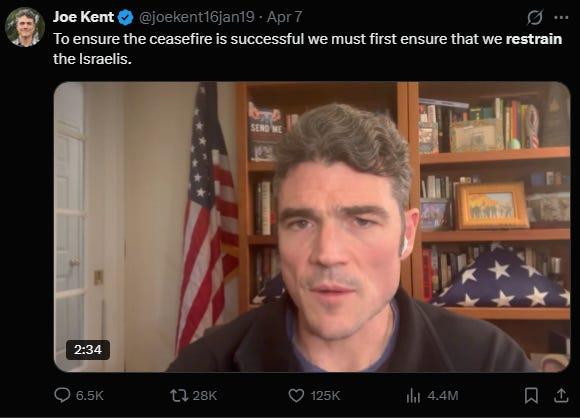
This also explains why American silence matters so much. The US can influence Israel, but it does not fully control Israeli political calculations, especially if Israeli leaders believe continued military pressure in Lebanon serves their own domestic or strategic needs. So even if American negotiators hinted at “de-escalation,” that may not mean a firm, enforceable Lebanon ceasefire exists.
Public Messaging Is Part of the Negotiation
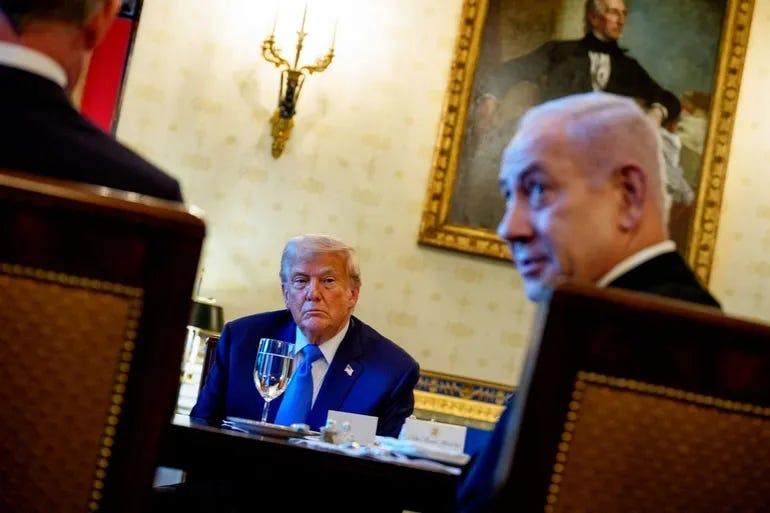
One striking feature of this story is how many versions of it are floating around at once. Some observers believe Iran is deliberately publicizing its preferred interpretation in order to lock the US into visible commitments. Others argue the Trump camp may be speaking in different voices, with negotiators testing ideas that the White House can later deny if domestic backlash grows. In that sense, contradictory messaging is not necessarily proof that talks are fake. It may simply be proof that both governments are managing different audiences at the same time.
That helps explain why so many analysts are cautioning against overreading any single headline. Tehran may say a concession has been won. Washington may deny it. Israel may reject any implication that Lebanon is included. All three statements can coexist for a while, because this phase is less about implementation than about pressure.
What the Hormuz Angle Suggests
Another reason some people see cautious optimism is the Strait of Hormuz. Reports and commentary pointed to US naval movements through the strait at the same time these claims were circulating. That has led to speculation that some limited understanding may already exist around maritime safety, demining, or controlled navigation. If true, that would not prove a wider political settlement. But it would suggest both sides are trying to prevent a total breakdown.
For global markets, this may be the most practical issue of all. Shipping through Hormuz affects oil, insurance, freight, and wider regional risk. Even a partial understanding there could matter more in the short term than flashy claims about a diplomatic breakthrough.
So Is This Good News?
Only in a very limited sense. The fact that these issues are being discussed at all suggests neither side wants unlimited escalation right now. That is important. But there is a huge difference between talking about Lebanon and actually stopping attacks there. There is also a huge difference between placing asset relief on the agenda and transferring money.
In practical terms, the next signals to watch are simple. Does Washington publicly confirm any linkage between broader talks and Lebanon? Does Israel reduce its strike tempo? Does Iran proceed into deeper negotiations or keep insisting its conditions were already accepted? Those developments will tell us much more than any single leak.
My own read is that Iran is trying to frame the talks as a win before formal terms are set, while the US is trying to keep maximum flexibility. That does not mean diplomacy is dead. It means the diplomacy is messy, improvised, and deeply entangled with battles neither Washington nor Tehran fully controls.
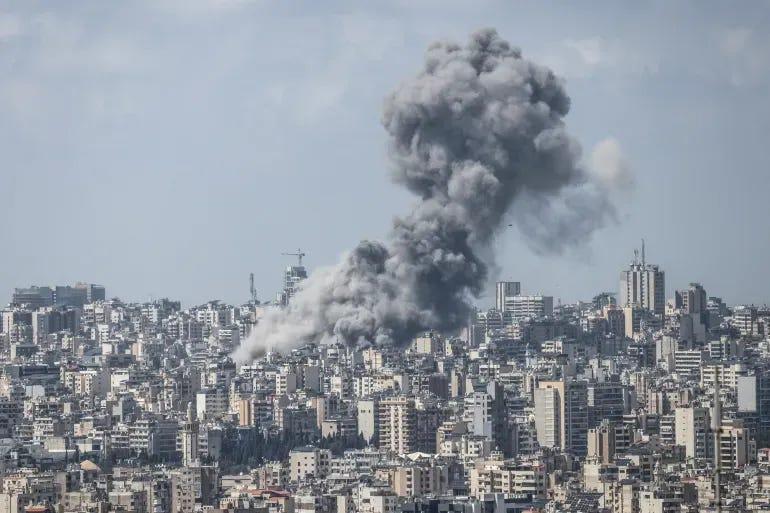
For now, the safest conclusion is this: Iran’s announcement does not prove a Lebanon ceasefire exists. What it does prove is that Lebanon has become a central bargaining chip in a much larger regional negotiation. That alone is significant. But significance is not the same thing as peace.
Curated and translated from Zhihu, China's largest Q&A platform.
Newsletter
Subscribe to The Expat Edit
Chinese perspectives on global events, wars, and great power competition. Curated from Zhihu.
Free. No spam. View on Substack →