
The Twilight of Unipolarity
A profound shift is quietly taking place in the balance of global power. For decades, the prevailing geopolitical doctrine of the West assumed that unmatched military technology and economic sanctions could permanently secure absolute dominance. Today, the ongoing conflict across the Middle East is systematically dismantling that assumption, revealing deep vulnerabilities in Western military capacity and accelerating the end of dollar hegemony.
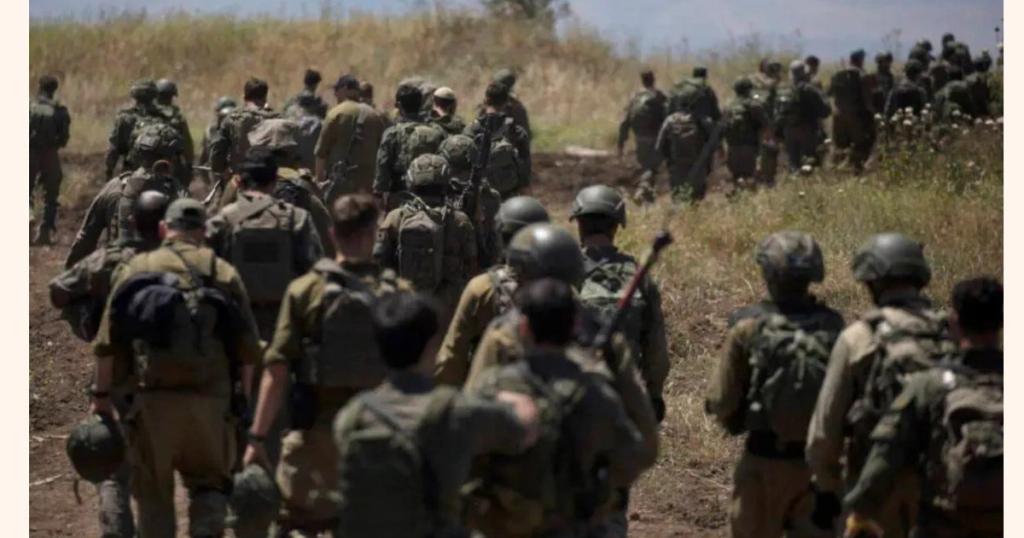
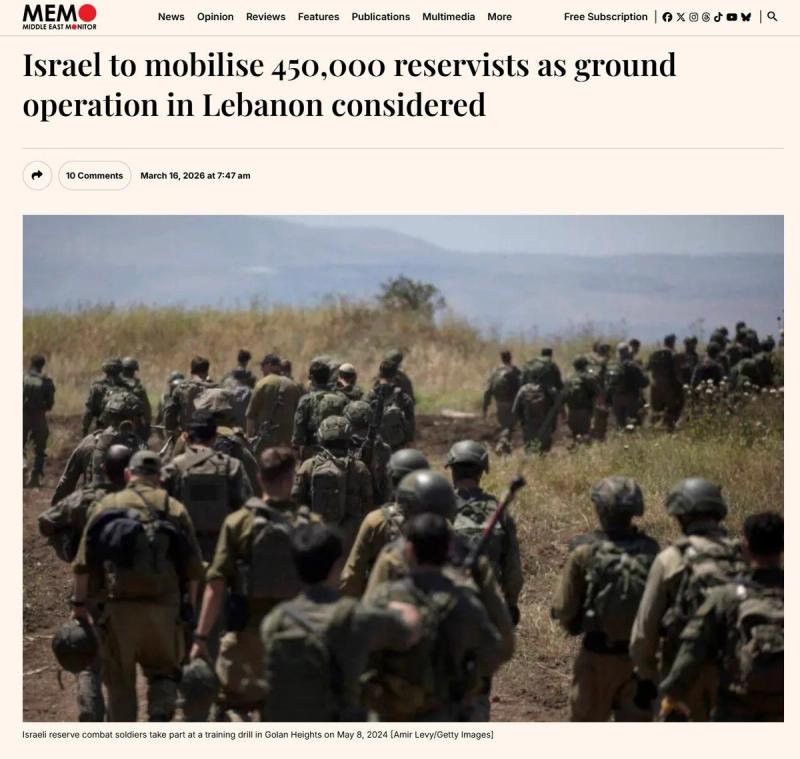
To understand the unraveling of this unipolar strategy, one must look first at the widening theater of war. In Lebanon, a massive mobilization is underway. With hundreds of thousands of reserves called up, a ground campaign has been launched with the apparent goal of pushing to the Litani River. The operational blueprint mirrors the devastating tactics seen in Gaza. Entire centuries-old villages are being demolished. Tens of thousands of homes have been leveled, and critical infrastructure, including bridges and civilian dwellings, has been systematically targeted.
Yet, despite this overwhelming application of destructive force, the stated objectives remain elusive. Hezbollah, having absorbed earlier decapitation strikes, has reconstituted itself into a formidable opponent on the ground. The reality of asymmetric warfare is proving that sophisticated air campaigns and massive troop deployments cannot easily subdue a deeply entrenched, resilient local force. Furthermore, political rhetoric regarding southern Lebanon has notably shifted. Conversations about permanently seizing and settling the territory have moved from the extreme fringes into the political mainstream, echoing the historical creeping annexation seen in the West Bank.
This expansionist approach is not a sudden aberration. It is the logical conclusion of a regional security doctrine rooted in the 1990s, most notably outlined in the “Clean Break” policy paper. The guiding philosophy is simple and ruthless: security is achieved not through diplomacy or the cultivation of stable alliances, but by ensuring that all neighboring states are kept weak, fractured, or in a state of perpetual chaos. It is a modern iteration of Jabotinsky’s “Iron Wall” concept, demanding total submission through overwhelming force.
However, this strategy has a fatal flaw. When a nation consistently denies its adversaries any diplomatic off-ramps and subjects them to perpetual cruelty, it guarantees that those adversaries will fight with uncompromising resolve when the balance of power shifts.
That shift is now visibly occurring. The belief in Western technological invincibility is fracturing under the pressure of actual combat. The cornerstone of American air superiority, the F-35 fighter jet, is proving vulnerable to surprisingly cost-effective, passive air defense systems. By utilizing infrared heat signatures and visual tracking rather than highly detectable active radar, forces defending Iranian airspace have found ways to threaten trillion-dollar Western aviation programs with relatively inexpensive mobile systems.
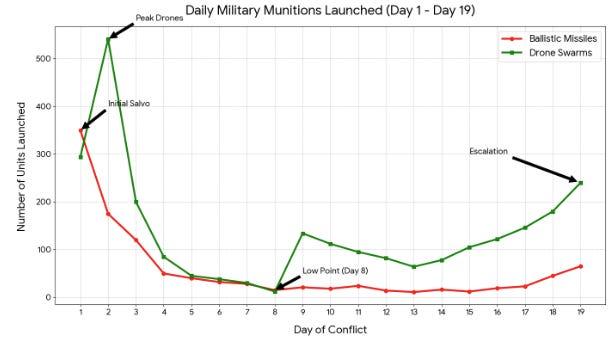
As a result, the tempo of Western air sorties has reportedly seen a steep decline. The logistical realities of maintaining fragile, high-tech aircraft and rapidly dwindling stockpiles of precision munitions are imposing hard limits on Western military operations. Conversely, the volume of ballistic missiles and drones being launched in retaliation is steadily increasing. Decades of severe Western sanctions, intended to cripple the Iranian state, inadvertently forged a highly self-sufficient domestic military industry. Cut off from global supply chains, the nation learned to manufacture its own asymmetric weaponry at scale.
The consequences of this military stalemate extend far beyond the battlefield. A much larger, quieter war is being waged on the global economic system. By demonstrating the ability to control the Strait of Hormuz, a vital shipping lane, a chokehold is being placed on the global economy.
We are witnessing the early stages of a devastating blow to the petrodollar. Reports have already surfaced of Asian nations negotiating energy purchases in alternative currencies, such as the Chinese renminbi, to bypass the conflict zone and Western financial systems. Historically, during times of great global crisis, international markets rushed to the safety of the US dollar. That is not happening today. Yields on US Treasury bonds have been rising, indicating that foreign central banks and international investors are hesitant to finance a debt-burdened superpower engaged in an unwinnable war.
The political leadership in Washington appears entirely unprepared for this reality. The administration is flailing, issuing bombastic 48-hour ultimatums only to rapidly walk them back under the guise of nonexistent peace talks. This erratic behavior is a symptom of a profound loss of leverage. When a government habitually uses negotiations as a smokescreen for military strikes, it destroys its own credibility. The United States and its allies have burned the very diplomatic bridges required to secure a graceful exit.
For the average Western citizen, the collapse of this foreign policy paradigm will bring undeniable economic pain. The erosion of the dollar’s global standing will inevitably lead to higher domestic costs, from rising mortgage rates to crippling inflation. Yet, beneath this difficult transition lies a necessary reckoning.
The impending failure of this aggressive regional doctrine may finally break the grip of a disconnected foreign policy establishment that has squandered countless lives and immense national wealth on endless wars. By exposing the limits of American unipolarity, this conflict is forcing the birth of a multipolar world. It is a world where nations can chart their own civilizational paths without the looming threat of Western intervention. While the immediate future looks volatile, the ultimate collapse of this strategy of chaos may be the very thing required to force the West to look inward, rebuild its own hollowed-out institutions, and finally abandon the illusion of global empire.
Listen to CATR on:
Newsletter
Subscribe to Conversations Among the Ruins
Long-form geopolitics and the decline of the unipolar world order. New episodes straight to your inbox.
Free. No spam. View on Substack →
Reader-funded
This is independent, long-form work.
Conversations Among the Ruins is written, not repackaged, and it stays free because readers choose to fund it. If it is worth your time, a paid subscription or a one-off tip keeps it going.
Become a supporter →