
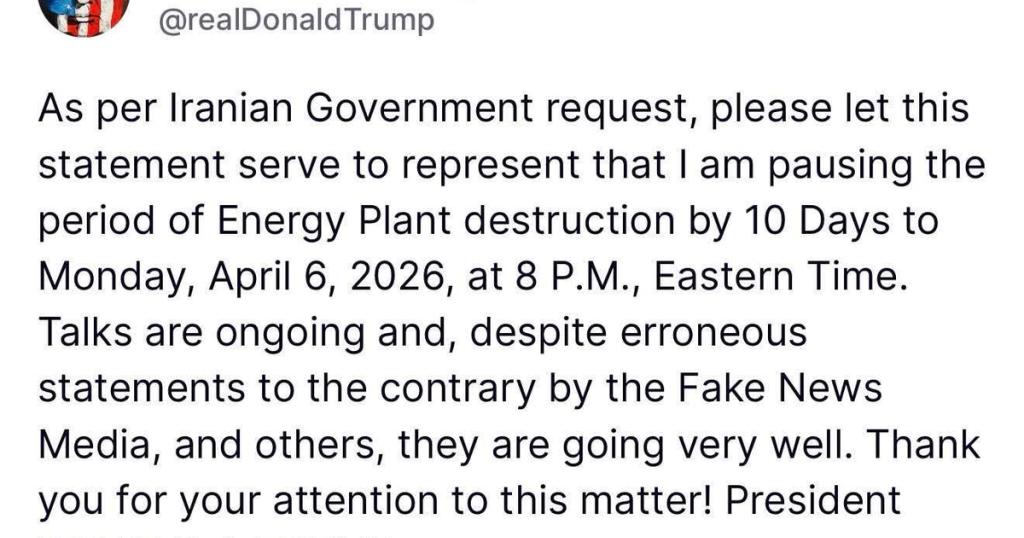
In Washington, the official narrative is one of masterful statecraft and imminent diplomatic breakthroughs. The White House insists that a pause in hostilities with Iran is holding, framing the delay as a grace period for highly successful, ongoing negotiations.
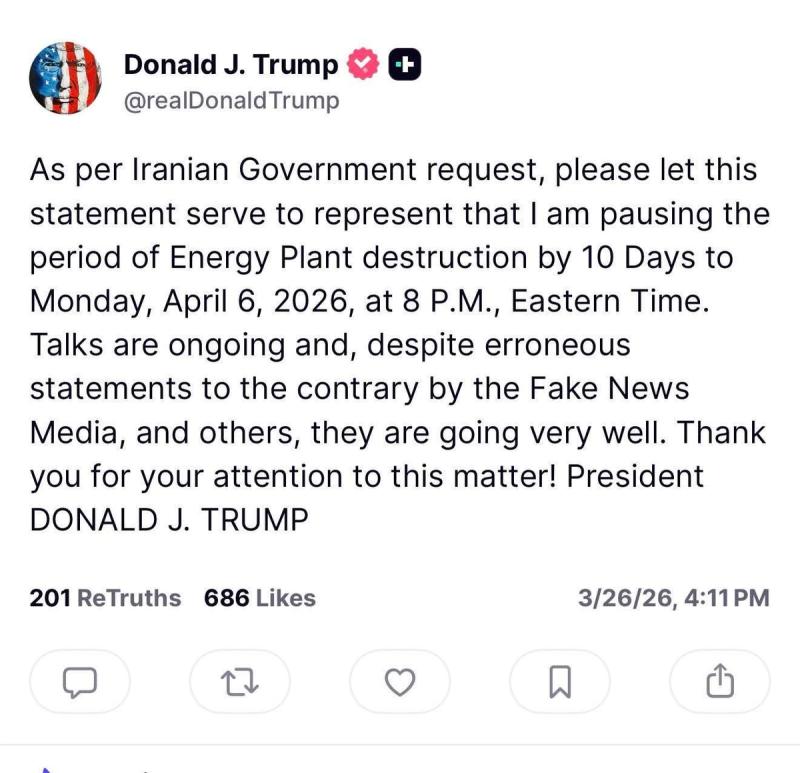
The reality on the ground tells a vastly different story.
There are no negotiations. The diplomatic channels are characterized by unanswered text messages and flatly restated Iranian demands, which include reparations and a total American retreat from the region. The grand proclamations of imminent deals are a political charade designed to buy time. Yet, as history has shown, when a government develops a reputation for using diplomatic overtures as a smokescreen for military maneuvering, it strips its own words of any remaining geopolitical weight.
Behind this veil of fabricated diplomacy, the United States is facing a staggering military crisis. Nearly a month into the conflict, the foundational strategy of American power projection in the Middle East has unraveled. Decades of military doctrine relied on the assumption that a network of forward-operating bases could safely host American personnel and project overwhelming force. Today, those bases are largely uninhabitable.
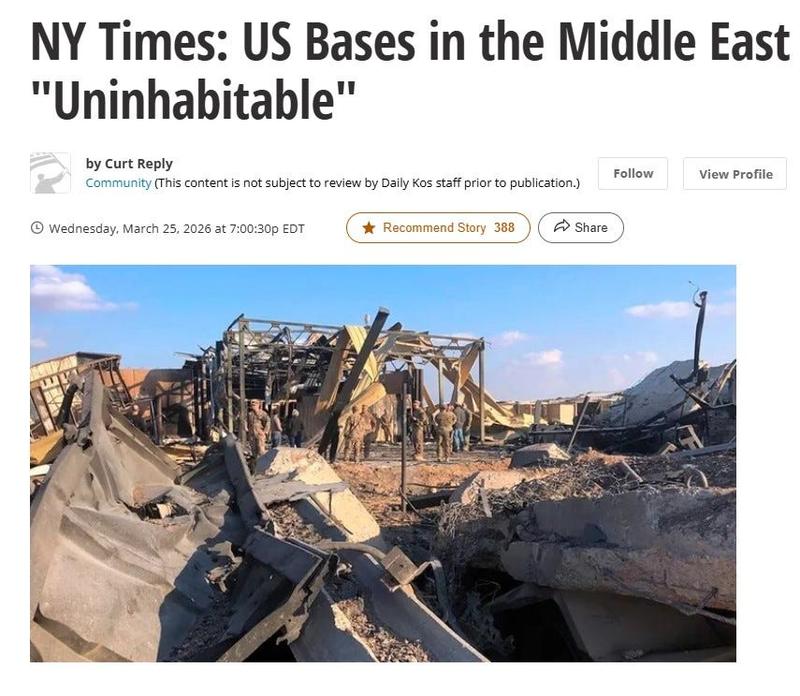
The culprit is not a rival superpower, but the brutal, cost-effective reality of asymmetric warfare. Iran has utilized a vast arsenal of drones and ballistic missiles to effectively trash American outposts. The mathematical mismatch of modern air defense has been fully exposed. The United States has been forced to rely on interceptors like the Patriot and THAAD systems, which cost millions of dollars per unit, to shoot down drones that cost mere tens of thousands.
This is a war of attrition that the Pentagon cannot win. Early in the conflict, the military exhausted years of interceptor production in a matter of days. Now, the stockpiles are functionally empty. Even if the ballistic missile threat were entirely neutralized, the steady stream of highly accurate, low-cost drones can overwhelm any remaining defenses. The result is a total loss of regional deterrence. American naval carriers are forced to operate thousands of kilometers offshore, and the military has been forced to evacuate its regional personnel.
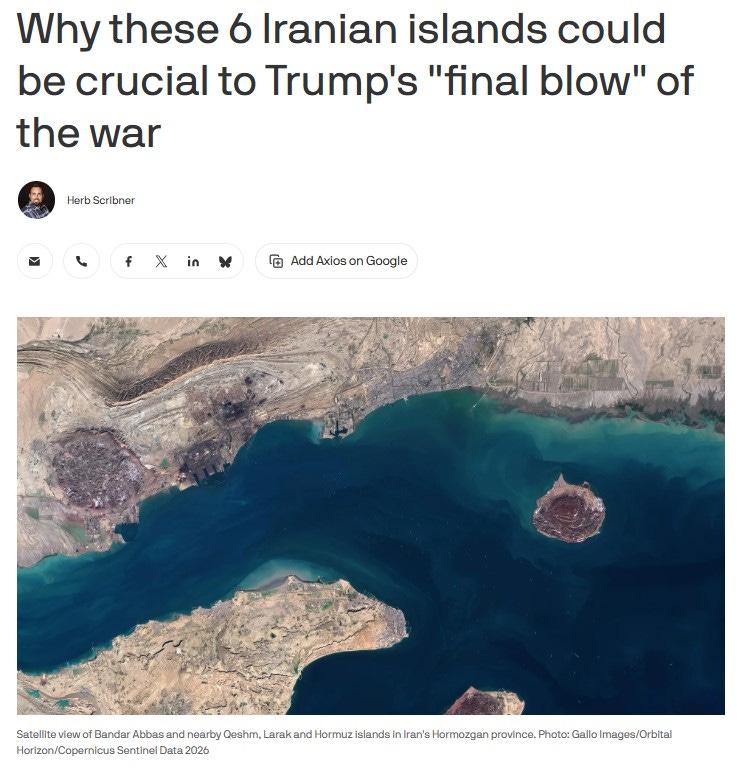
Faced with this humiliation, military planners appear to be contemplating the unthinkable. Whispers of a ground invasion, potentially targeting coastal islands like Kharg Island or staging through neighboring nations, have begun to circulate. Such an operation would be a logistical nightmare and a strategic catastrophe. Establishing a beachhead on a small island within direct view of a mountainous, heavily armed Iranian coastline would turn American forces into sitting ducks. Supplying such an outpost would require a continuous, vulnerable naval lifeline through the Strait of Hormuz, a waterway Iran effectively controls.
The drive toward such a reckless maneuver is born of the sunk cost fallacy. For the political and military establishment, admitting defeat and withdrawing is viewed as an existential threat to American hegemony and the dominance of the US dollar. As casualties mount, the pressure to double down will only intensify. This desperate need to save face is what makes the current moment so exceptionally dangerous. When an empire refuses to accept a conventional loss, the statistical probability of a nuclear escalation ceases to be an abstract impossibility and becomes a terrifying tactical consideration.
The tremors of this Middle Eastern misadventure are also fracturing the global map, most notably in Eastern Europe. The interconnected nature of modern proxy wars is coming into sharp focus. To plug the gaping holes in Middle Eastern air defenses, the United States is considering the diversion of critical interceptor stockpiles away from Ukraine.
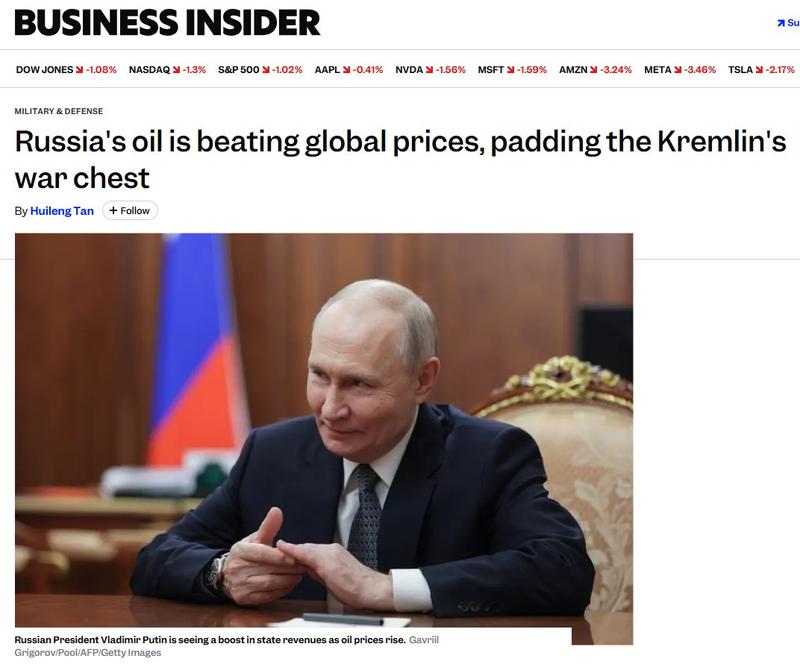
Simultaneously, the conflict in the Persian Gulf has led to a spike in global energy prices, delivering a massive economic windfall to Moscow. While European nations face the looming threat of a fiscal cliff and soaring energy costs, Russia is finding eager new buyers in Asia who have been cut off from Gulf oil. The grand strategy of isolating Russia has been entirely undermined by the very conflict Washington chose to ignite in the Middle East.
We are witnessing the limits of a military-industrial complex optimized for profit rather than strategic endurance. For decades, defense contractors have prioritized the production of wildly expensive, low-volume weapons systems while ignoring the need for scalable, industrial-level manufacturing. Now, facing adversaries who can churn out thousands of cheap, lethal drones from hidden workshops, the American military apparatus finds itself fundamentally outpaced.
The United States is approaching a pivotal crossroads. The path of escalation promises only greater bloodshed, the erosion of whatever moral authority the nation has left, and the risk of catastrophic global conflict.
The alternative is a bitter but necessary dose of geopolitical humility. By declaring an end to the conflict and accepting a multipolar reality, the United States would undoubtedly suffer a severe blow to its imperial prestige. The era of unquestioned American hegemony would officially end, bringing with it undeniable domestic economic adjustments. Yet, stepping back from the brink of empire might be the exact catalyst required to rebuild a fractured nation at home. Stripped of the illusions of global supremacy, the country might finally be forced to turn its vast resources inward, trading the hollow pursuit of endless war for the quieter, practical work of domestic renewal.
Listen to CATR on:
Newsletter
Subscribe to Conversations Among the Ruins
Long-form geopolitics and the decline of the unipolar world order. New episodes straight to your inbox.
Free. No spam. View on Substack →
Reader-funded
This is independent, long-form work.
Conversations Among the Ruins is written, not repackaged, and it stays free because readers choose to fund it. If it is worth your time, a paid subscription or a one-off tip keeps it going.
Become a supporter →