
Today we are looking at two very different sides of modern Chinese culture: the sudden quietness of our digital lives, and a noisy, controversial ritual happening on the riverbanks of Guangdong.
Let’s dive in.
Thanks for reading Expat Edit! Subscribe for free to receive new posts and support my work.
The Silent Scroll: Why Young China Is Ghosting WeChat
If your WeChat Moments feed feels like a ghost town lately—or just an endless stream of work announcements—you aren’t imagining it.
For a decade, WeChat Moments was the town square of Chinese social life. It was where you bragged about your vacation, posted photos of your lunch, and vented about your day. But new data from QuestMobile suggests the party is over.
The Numbers:
- Daily content posting has dropped 37% since its 2021 peak.
- Active engagement (likes and comments) is down 27%.
- For the first time, short video platforms (Douyin) have overtaken WeChat in daily usage time.
Why the silence?The leading theory is “Context Collapse.” A decade ago, your WeChat friends were actually your friends. Today, the average user has over 350 contacts, but only considers about 12 of them to be “close.”
When your contact list includes your boss, your landlord, your client, and your parents, the psychological cost of posting becomes too high. You can’t vent (your boss will see), you can’t party (your parents will see), and you can’t travel (your clients will think you aren’t working).
The MigrationThe desire to share hasn’t disappeared; it has just moved. Young users are flocking to platforms like Xiaohongshu and Bilibili, where they can share with strangers rather than “friends.”
The Takeaway: We have entered the era of the “3-Day Visible” setting. It’s a form of digital self-defense. We are still watching, but we’ve turned off the lights.
Plastic Karma: The “Dragon King” Ritual
From digital silence to physical pollution. A bizarre trend has gone viral in Foshan, Guangdong, sparking a debate about where faith ends and environmental vandalism begins.
Videos circulating this week show people standing by the riverbank, hurling heavy, transparent square plates into the water with all their might. They aren’t skipping stones—they are performing a ritual.
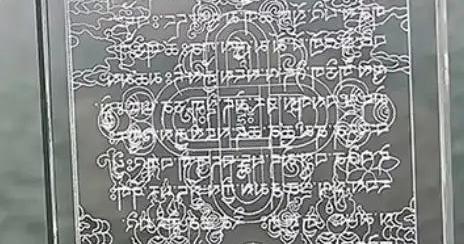
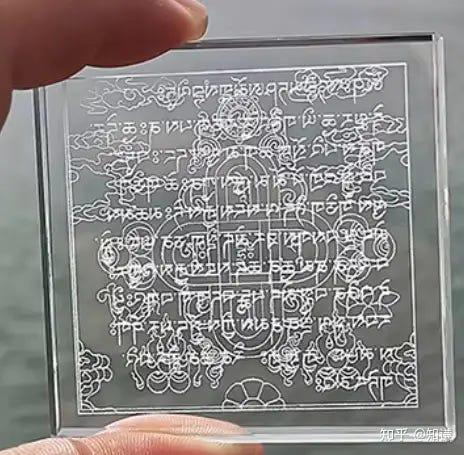
What are they throwing?Internet sleuths identified the objects as “Dragon King Mandala Cards.” These are acrylic (plastic) sheets laser-engraved with Tibetan Buddhist mantras. The belief is that sinking these mantras into the water blesses the aquatic life and “liberates” the Dragon King spirits guarding the river.
The IronyWhile the spiritual intent is to save life (”fangsheng”), the reality is that devotees are filling the river with industrial plastic (PMMA). Unlike paper or food offerings, these acrylic plates do not degrade. They sink to the bottom, creating a permanent layer of trash in the ecosystem they are supposedly blessing.
This follows a string of “performative kindness” incidents in China, including groups dumping thousands of bottles of mineral water into rivers or releasing invasive species that destroy local ecosystems.
The Verdict: If you want to accumulate merit, maybe start by cleaning the river, not adding to it.
Thanks for reading Expat Edit! Subscribe for free to receive new posts and support my work.
Enjoyed this article? Subscribe to The Expat Edit on Substack
Curated and translated from Zhihu, China's largest Q&A platform.
Newsletter
Subscribe to The Expat Edit
Chinese perspectives on global events, wars, and great power competition. Curated from Zhihu.
Free. No spam. View on Substack →