For years, one of the clearest signs of power in Washington was not what could be said, but what could not.
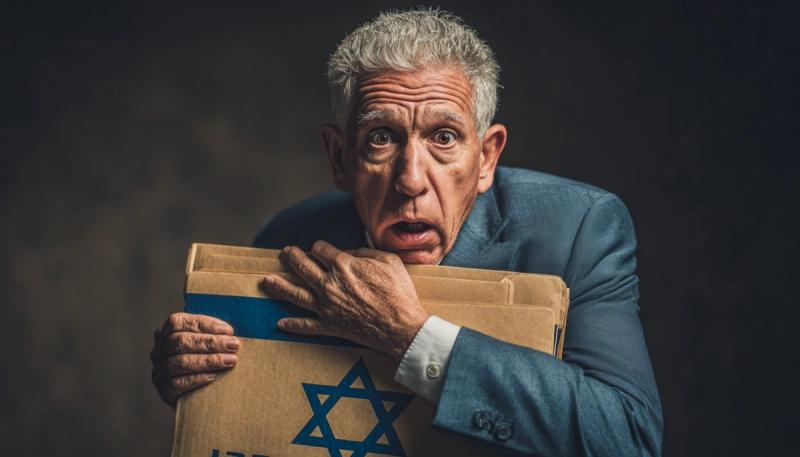
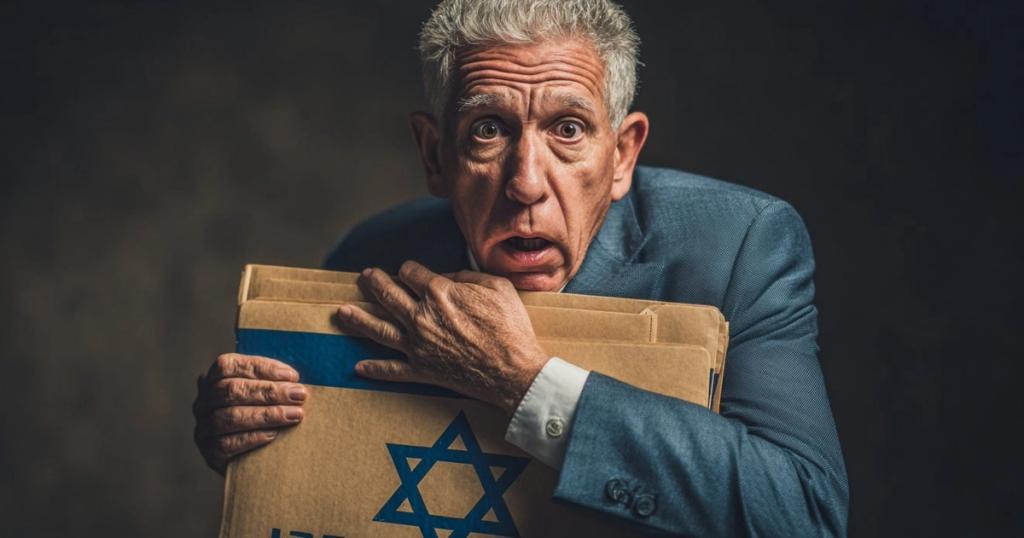
There were whole areas of American public life where criticism was permitted, even fashionable. Presidents could be mocked. Corporate interests could be denounced. The intelligence agencies could be distrusted, the Pentagon second-guessed, the pharmaceutical industry vilified, Wall Street condemned. But on one question in particular, the boundaries were unusually rigid. To challenge Israel’s conduct, or more pointedly, to question the structure of influence that has long protected it from meaningful scrutiny in the United States, was to risk immediate professional and social punishment.
That silence is now breaking.
What has changed is not merely opinion about a foreign country. It is something deeper and more destabilizing. Millions of Americans have begun to suspect that they were not simply misinformed, but managed. They are asking whether one of the most consequential features of American foreign policy has been insulated from democratic accountability for decades. They are asking why criticism that is routine in every other arena has been treated as intolerable here. And they are asking what happens when a political order built on taboo begins to lose its grip.
This shift did not emerge from nowhere. Public sentiment, especially among younger Americans, had already begun to move before the war in Gaza. But the scale of destruction after October 7 turned a slow erosion into a rupture. Images of bombed neighborhoods, dead children, shattered hospitals and desperate civilians did not remain confined to diplomatic reports or activist circles. They flooded the phones of ordinary people. A new media environment made it impossible to fully contain what older institutions would once have filtered, softened or ignored.
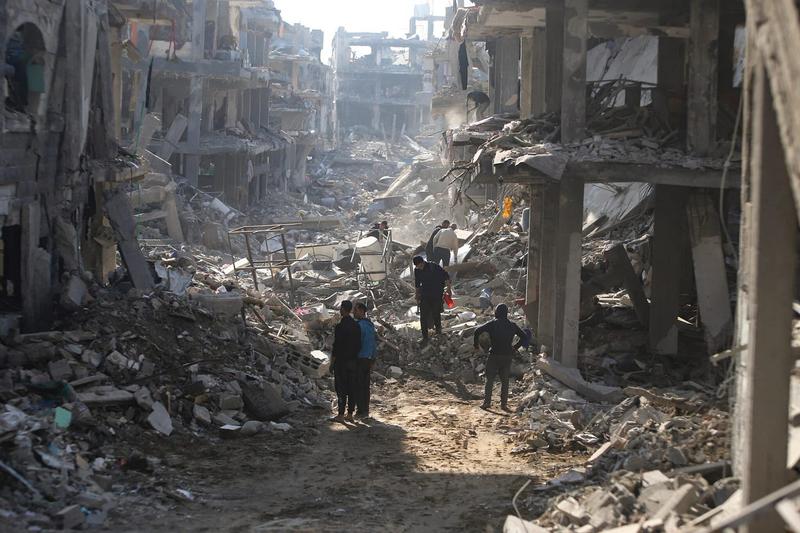
That matters because elite consensus often survives only so long as the public can be kept at a moral distance from its consequences.
For decades, support for Israel in the United States rested on more than lobbying power. It also benefited from habit, mythology, theological sentiment, bipartisan ritual and a carefully maintained moral narrative. Israel was presented not merely as an ally, but as a civilizational extension of the West, a democracy under perpetual siege, a nation whose actions were always exceptional because the threats to it were always existential. Within that framework, Palestinian suffering appeared secondary, regrettable, or simply invisible.
That story has been badly damaged.
The damage is not only reputational. It is political. The electorate, particularly younger voters across party lines, is now significantly out of alignment with many of its representatives. This is especially visible among Democrats, but it is no longer confined to the left. The emerging coalition of dissent is ideologically mixed and temperamentally unstable. It includes antiwar progressives, civil libertarians, populist conservatives, disillusioned independents and people who do not fit any old category at all. What unites them is less a shared doctrine than a shared conclusion: that U.S. policy has been distorted by forces the public was discouraged from naming honestly.
That naming is itself the source of anxiety.
Power rarely fears criticism in the abstract. What it fears is legitimacy draining away in public, especially all at once. Once a subject ceases to be untouchable, institutional authority can weaken with surprising speed. A taboo often looks permanent right until the moment it collapses. Then it collapses everywhere.
The response to such a collapse is usually not persuasion. It is discipline.
One can already see the outlines of that discipline taking shape. Protesters have been arrested. Students and faculty have been investigated, suspended or fired. Speech on major platforms appears increasingly vulnerable to moderation policies that are opaque in method and political in effect. The pressure is often indirect, which is what makes it both effective and deniable. A platform tweaks an algorithm. An institution cites safety. A donor makes a call. A government invokes extremism. A career narrows quietly. No single act appears decisive, yet the cumulative effect is unmistakable. People learn where the invisible fences are.
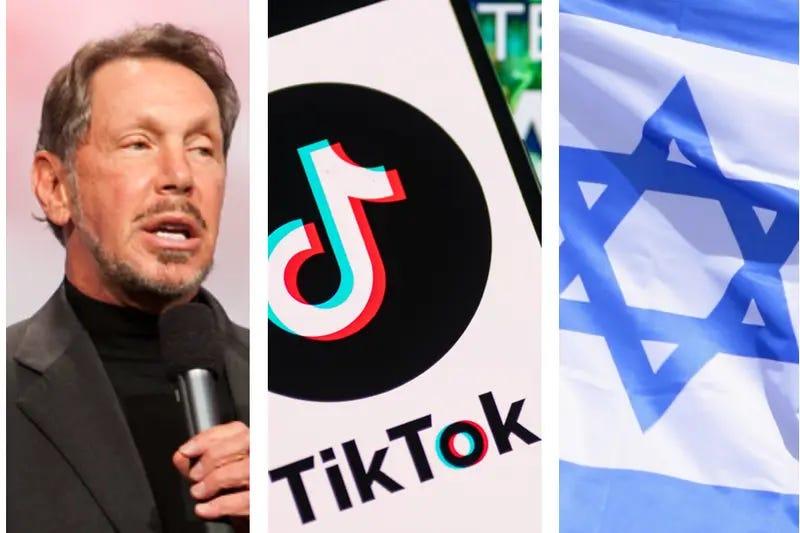
This is how modern censorship often works. It does not always arrive in jackboots. Sometimes it arrives as de-amplification, reputational management and procedural language.
The danger, then, is not merely that dissenting voices will be suppressed. It is that the suppression will harden the conviction that democratic institutions are no longer responsive to democratic realities. If citizens conclude that even overwhelming moral evidence cannot alter policy, and that speaking plainly invites punishment while silence protects careers, the result will not be renewed trust. It will be alienation. It will be rage. It will be a widening belief that the formal system has become a shell.
That is when a society enters more dangerous territory.
There is a temptation, especially among comfortable classes, to assume that constitutional language is self-enforcing. It is not. Rights that are not defended become mere habit, and habit can be revised. The First Amendment remains sacred in American rhetoric, but rhetoric is not enough. If speech is tolerated only when it is harmless to entrenched interests, then freedom becomes ceremonial.
The United States has not yet crossed that threshold fully. Courts still matter. Public opposition still matters. The country is not without internal restraints. But it would be naive to ignore the signs. What happens on campuses today often arrives in broader society tomorrow. What is justified first as an emergency exception can become a precedent. Political systems do not usually announce their authoritarian turns in advance. They normalize them incrementally.
And yet there is another possibility. The same fractured digital landscape that enables suppression also makes total control more difficult than it once was. Information now migrates. If one channel is narrowed, another emerges. If one figure is discredited, others rise. The old gatekeepers no longer possess exclusive custody over public reality. This does not guarantee truth, but it does complicate monopoly.
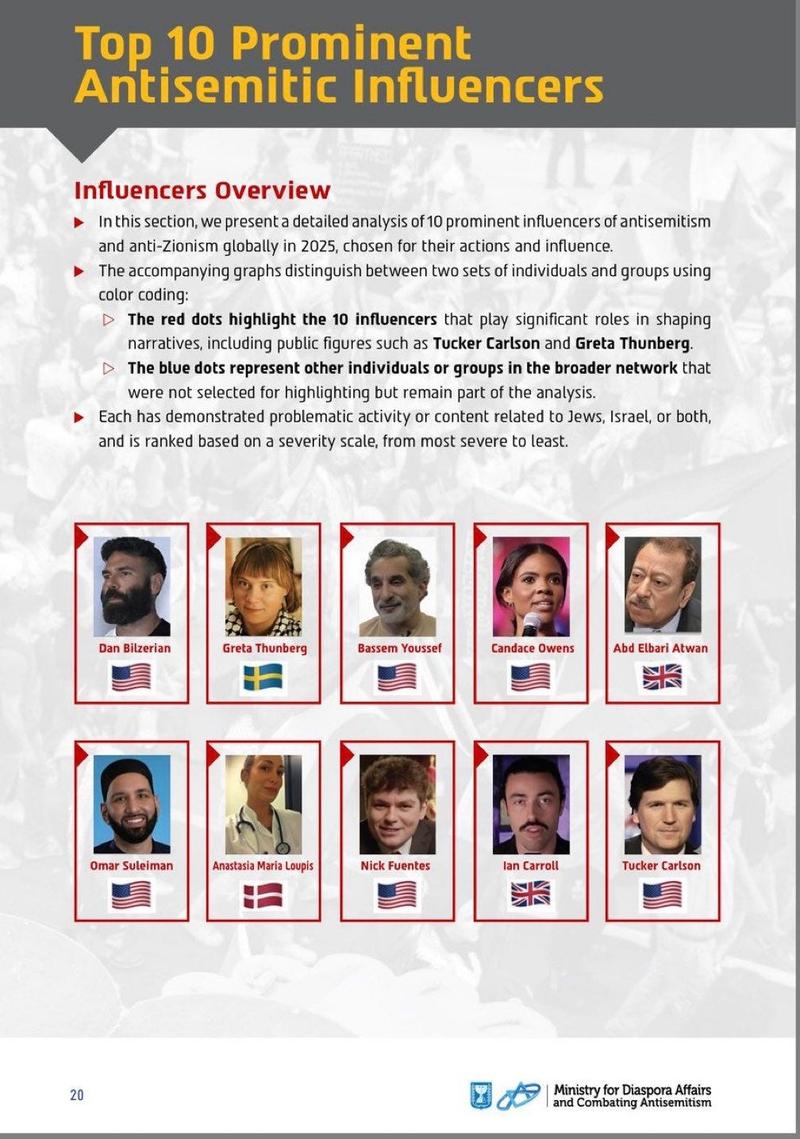
That is why the present moment feels so volatile. The institutions are losing narrative control, but they have not surrendered coercive leverage. The public is more awake, but not yet organized. A broad opposition is forming, but it is still searching for leaders, language and strategy. The old order is weakened enough to be frightened and strong enough to be dangerous.
There is also a moral challenge within the dissent itself. It is possible, and necessary, to speak plainly about atrocity, lobbying power, censorship and political cowardice without collapsing into hatred of a people. A serious politics must reject both euphemism and dehumanization. The point is not to replace one fanaticism with another. It is to recover the capacity for moral clarity without tribal delirium.
That may be harder than it sounds. Prolonged exposure to brutality produces anger, and anger seeks targets. But if this moment is to amount to anything more than emotional combustion, it will require discipline of its own. The task is to oppose domination without becoming consumed by vengeance, to identify systems of power without assigning collective guilt, and to refuse the manipulations of language that turn honest criticism into forbidden speech.
The old accusation that has policed this debate for years is losing some of its force. Not because bigotry has vanished, but because people increasingly see how the charge has been deployed to blur distinctions, chill scrutiny and protect the indefensible. A society that cannot distinguish between hatred of Jews and criticism of a state, an ideology or a lobbying apparatus is a society that has surrendered precision for intimidation.
That surrender is ending.
What comes next is uncertain. There may be electoral consequences. There may be harsher efforts at containment. There may be more overt attempts to equate dissent with extremism or disloyalty. There will certainly be efforts to fracture this new coalition before it matures. But one fact now seems difficult to reverse: a great many Americans no longer accept the old commands to look away, keep quiet and trust the professionals.
Once that happens, the argument changes.
The issue is no longer only Israel. It is the character of the American republic itself. It is whether foreign policy can remain exempt from democratic scrutiny if enough money, fear and institutional pressure are applied. It is whether a citizenry that has glimpsed the machinery behind the curtain will retreat into private comfort, or decide that the burden of self-government includes saying aloud what powerful people prefer left unsaid.
Every political order has its test of seriousness. This may be one of ours.
If the public cannot speak honestly about war, influence and censorship, then much of what Americans claim to believe about their own freedom is decorative. If they can, then this period may be remembered not only for its horrors abroad, but for the collapse of a long-protected illusion at home.
The silence was safe for a very long time.
It may not survive what the country has now seen.
Listen to CATR on:
Newsletter
Subscribe to Conversations Among the Ruins
Long-form geopolitics and the decline of the unipolar world order. New episodes straight to your inbox.
Free. No spam. View on Substack →
Reader-funded
This is independent, long-form work.
Conversations Among the Ruins is written, not repackaged, and it stays free because readers choose to fund it. If it is worth your time, a paid subscription or a one-off tip keeps it going.
Become a supporter →