
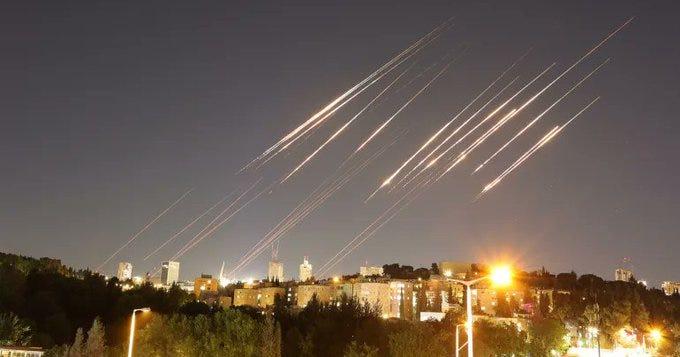
The geopolitical tectonic plates of the Middle East have shifted overnight. For years, the unspoken rule of engagement was simple: Iran would absorb peripheral blows and only retaliate when its sovereign territory was struck directly. That era appears to be over. The recent decision by Israeli leadership to bomb the Dahiya district in Beirut triggered a direct Iranian missile strike on Israel. This sequence of events signifies a profound alteration in regional dynamics, fundamentally changing the way power is exercised in the Middle East.

The “old” Iran was notoriously cautious. The previous generation of leadership routinely went out of its way to lower the temperature and avoid climbing the escalation ladder. But a new Iran has emerged. Driven by a stark realization that it is fighting for its very survival, coupled with a generational shift toward hardline leadership, Tehran is no longer reluctant to project force.
When Tehran declares a red line, it now enforces it. The Iranian government issued clear warnings that strikes on Beirut would be a bridge too far. When those warnings were ignored, Tehran responded exactly as it promised.
This response establishes a fundamentally new deterrence doctrine. Previously, the United States and Israel could systematically dismantle elements of the so-called Axis of Resistance while Tehran stood back in the name of strategic patience. Today, Iran is extending a protective umbrella over its regional allies. The message is unambiguous. If you attack the Axis of Resistance, you will pay a price. By stepping in to shield Hezbollah in Lebanon and demanding an end to the campaign in Gaza, Iran is asserting itself as a regional power willing to enforce strict boundaries.
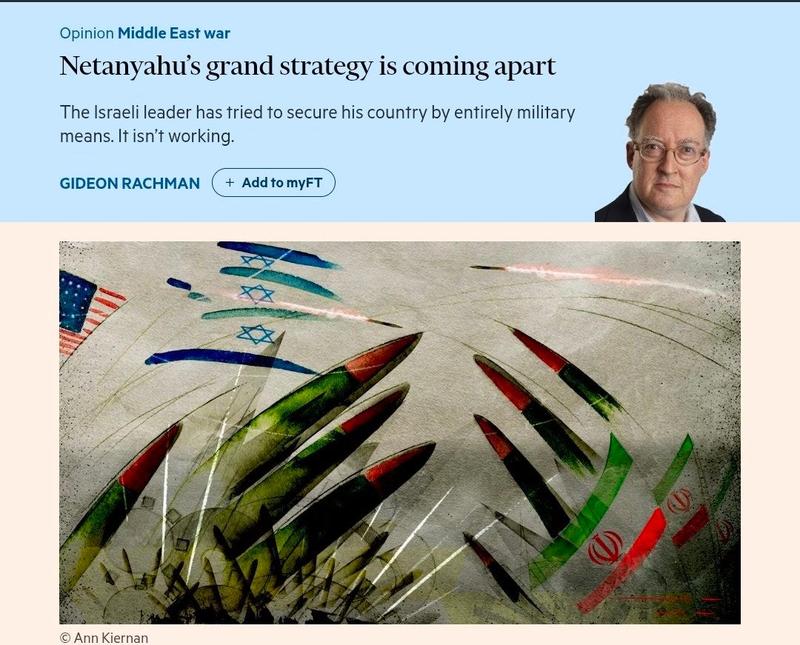
For Israel, this new reality represents a strategic disaster. The overarching vision of a secure, expanding Israeli state relies almost entirely on the ability to act against neighboring territories with military impunity. For decades, the Israeli security establishment viewed Iran as the ultimate rival and the final obstacle to this broader project. The historical objective was to eventually degrade or destroy Iranian capabilities, thereby clearing the path for unimpeded regional dominance.
Instead, the current conflict has realized Israel’s worst fears. By pushing the region to the brink in Gaza, Lebanon, and Iran itself, Israel has forced Iran to abandon its historic caution. Iran is now demonstrating both the military capacity and the political will to constrain Israeli operations. This development may leave Israeli leadership feeling trapped in a narrowing window, fostering a belief that they must double down and escalate the war to survive.
Yet the strategic miscalculation is already apparent. The attempt to dismantle Iran’s network of allies has instead awakened a more defiant, militarily assertive adversary. By redefining the triggers for direct retaliation, Tehran has placed severe obstacles in the path of Israeli expansionism. The unspoken rules of the Middle East are being rewritten, and the old regional order can never be restored.
Listen to CATR on:
Newsletter
Subscribe to Conversations Among the Ruins
Long-form geopolitics and the decline of the unipolar world order. New episodes straight to your inbox.
Free. No spam. View on Substack →
Reader-funded
This is independent, long-form work.
Conversations Among the Ruins is written, not repackaged, and it stays free because readers choose to fund it. If it is worth your time, a paid subscription or a one-off tip keeps it going.
Become a supporter →