
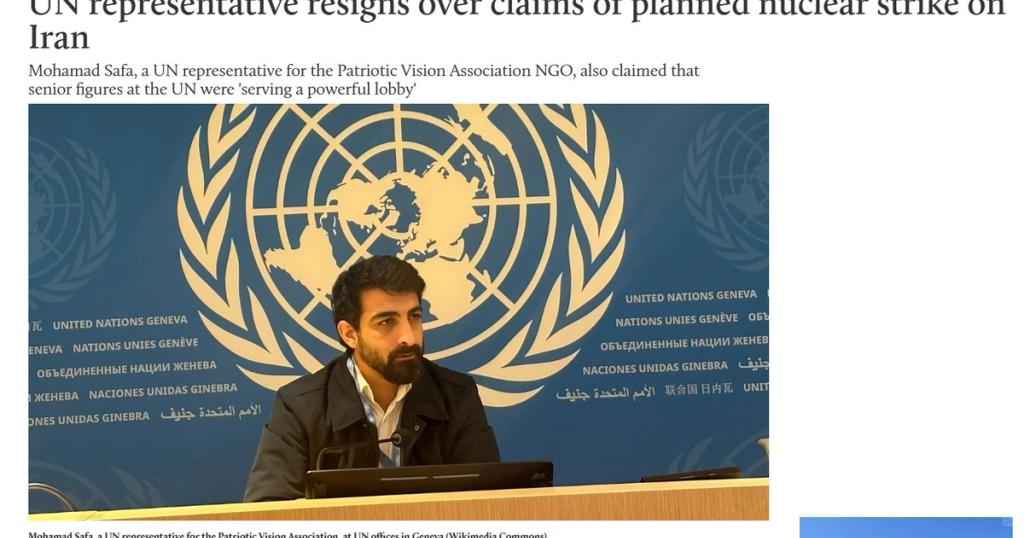
There are moments in history when the most important question is no longer who is winning, but whether anyone still knows how to stop.
That is where this crisis appears to be heading. The language of limited war is beginning to collapse. The familiar assurances about carefully calibrated strikes, temporary escalation and diplomatic off-ramps sound less convincing by the day. In their place is something much darker: a conflict driven by governments that seem unable to make concessions, unable to absorb humiliation and increasingly unable to control the forces they have unleashed.
Behind it all sits the possibility that should frighten every sane person alive. If conventional power can no longer secure the outcome Washington and Israel want, and if Iran has concluded that negotiation is just another name for deception, then the logic of escalation points toward the one option that should never become thinkable: nuclear weapons.That outcome is still avoidable. But it is no longer absurd to discuss.
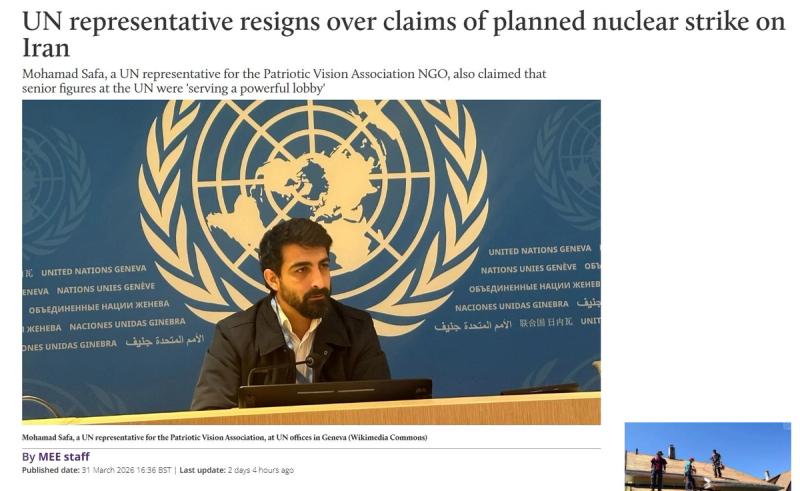
The danger is political as much as military
Wars are often described in terms of hardware, troop movements and strike capacity. But the deeper danger usually lies elsewhere. States can survive military setbacks. Great powers can survive strategic embarrassment. What they often cannot survive, at least not without lashing out, is the collapse of the story they tell about themselves.
For decades, the United States has lived inside a particular narrative. It could project force abroad, make serious mistakes, absorb the backlash and still remain the central power in the international system. It could lose wars in practice without admitting decline in theory. That assumption survived Iraq, Afghanistan and repeated episodes in which American credibility was visibly damaged but never fully surrendered.
So a reflex took hold, not just in Washington but in markets, institutions and allied capitals: whatever happens, the United States remains on top. Do not bet against it.
That reflex may now be colliding with reality.
Military resupply cannot solve every strategic problem. Presidential declarations of victory cannot reopen shipping lanes. Press conferences cannot lower energy prices, restore deterrence or persuade the world that a weakening order is still fully intact.
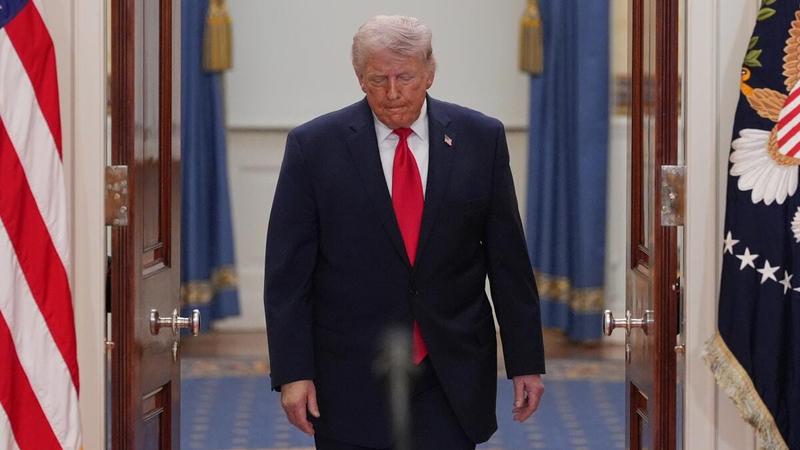
Even if the missiles stopped tomorrow, the damage would not simply disappear. If the Strait of Hormuz remains constrained, even intermittently, the consequences will spread far beyond the battlefield. Oil prices rise. Shipping costs jump. Fertilizer supply is disrupted. Food prices follow. Inflation worsens. Economic confidence weakens. Suddenly what looked like a regional war starts behaving like the trigger for a much wider global crisis.
When the world starts paying the price
For years, much of the world tolerated American and Israeli conduct with a mix of outrage, resignation and helplessness. Governments condemned, adapted and moved on. But there is a limit to how long states will accept instability at a distance once it begins to damage them directly. It is one thing to object to a war on moral grounds. It is another to watch your own economy buckle because of it.
That is how a regional conflict becomes a global turning point. If energy markets seize up, if food systems are affected, if inflation accelerates and domestic political pressure rises, then governments that once preferred silence may begin to act. They may conclude that the cost of letting Washington and Israel continue unchecked has become too high.
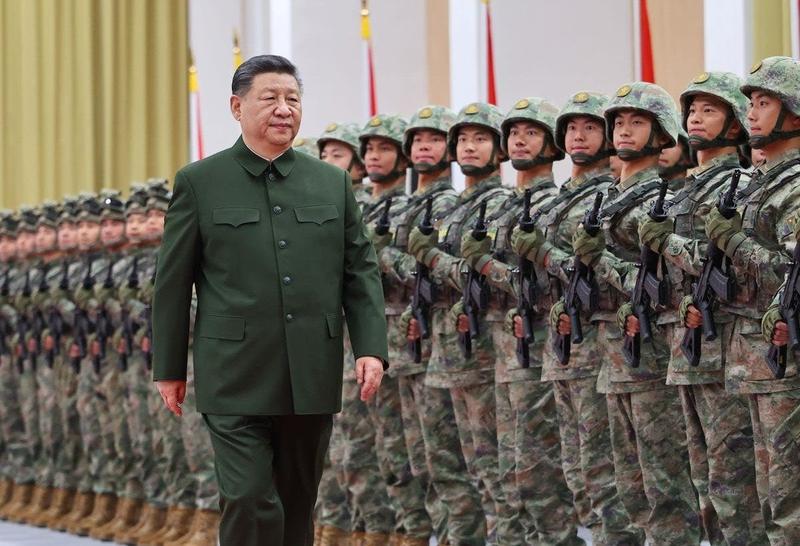
At that point, the phrase “international community” might finally recover its literal meaning, not as a euphemism for Western alignment, but as the actual world. And the actual world may eventually decide that this war has to end, whether Washington and Israel are psychologically prepared for that or not.
There is a possible way out. It is not a clean one, and it would not satisfy those who believe every crisis must end in a public reaffirmation of American strength. The United States could declare that it has achieved its objectives and step back. Israel, seeing the limits of escalation, could slow or halt its attacks. Iran, having demonstrated resolve and imposed costs, could decide it has made its point. The wider world, led perhaps by powers outside the Western bloc, could pressure all sides toward a new regional settlement.
The result would be ugly, tense and unstable. But it might prevent catastrophe.
It would also carry a political price that many in Washington and Israel may find nearly impossible to accept: Iran would emerge stronger, the United States would emerge weaker and the old assumptions about regional dominance would be badly shaken. That may be the best available outcome, which is precisely why it may be so difficult to reach.
The inability to accept limits
The central problem is not that decision-makers have no alternatives. It is that the alternatives available to them feel like humiliation. And for governments accustomed to impunity, humiliation can feel intolerable.
This is what makes escalation so seductive. Every failed move creates pressure for a larger one. Every setback becomes an argument against restraint. Every sign of weakness seems to demand a demonstration of force. That is how countries drift into disasters they could have avoided.
If leaders decide that visible defeat is worse than catastrophe, then catastrophe becomes much easier to imagine. That is not hysteria. It is the logic of pride under pressure.
There is another dimension to this crisis, one that extends far beyond the Middle East. States around the world are watching closely, and many will draw a simple conclusion: negotiation with a hegemonic power is worthless unless backed by force.
That is a devastating lesson for the international system. It tells weaker states that law is not enough, that diplomacy without leverage is theater, that if they want to be taken seriously they must impose costs. This is the lesson some countries have already absorbed. Others are absorbing it now. And once that lesson spreads, the world becomes more dangerous for everyone.
The old faith is fading
What is striking is how many people still seem to believe that this can all be reversed with the usual script: a few statements from Washington, a declaration of success, a symbolic pause and then a return to normal. That confidence is not entirely irrational. It is based on decades of precedent. The United States has blundered before and remained dominant anyway. It has endured strategic failures without suffering immediate systemic consequences.
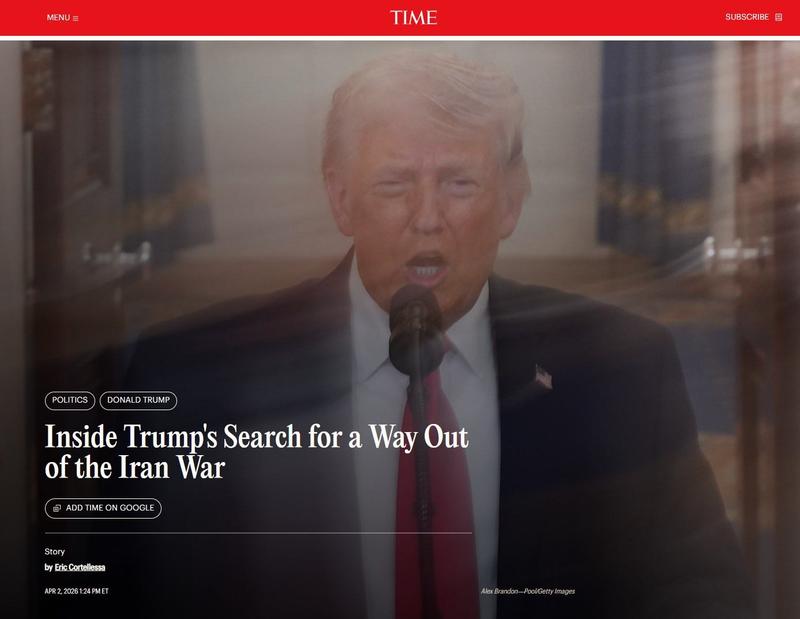
But there are signs that this habit of mind is beginning to break. In past crises, even those caused by Washington, global capital often fled toward the dollar and U.S. Treasuries. That reaction now looks weaker, less automatic, less assured. The old institutional bias in favor of American permanence is still there, but it is fading.
Once investors, governments and publics begin to realize that the damage is structural rather than temporary, the psychological shift can happen quickly. And when it does, the old order does not come back simply because someone declares it restored.
What is unfolding may not simply be another Middle Eastern war. It may be the moment when the world begins to accept that the United States can no longer impose outcomes at acceptable cost. It may be the moment when Israel’s long reliance on military supremacy and political impunity runs up against hard limits. It may also be the moment when the broader international system, reluctantly and unevenly, starts organizing itself around a post-American reality.
The only serious question left
If that is true, then the task is not to preserve the illusion that everything can go back to the way it was. It cannot. Too much has already been exposed. Too much damage has already been done.
The real question now is whether this transition happens through restraint or through ruin.
There is still a path away from the abyss. But it requires something the main actors have shown very little capacity for so far: accepting limits. The United States would have to abandon the fantasy that every setback can be reversed by greater force. Israel would have to accept that military power cannot permanently exempt a state from political reality. And the rest of the world would have to act, not as a passive audience, but as a restraining force.
None of that would produce a satisfying ending. But satisfaction is no longer the point. The point is to prevent the worst outcome.
Because once a conflict reaches the stage where nuclear use enters the realm of plausible strategy, the standard for success changes completely. At that point, the goal is no longer triumph.
It is survival.
Listen to CATR on:
Newsletter
Subscribe to Conversations Among the Ruins
Long-form geopolitics and the decline of the unipolar world order. New episodes straight to your inbox.
Free. No spam. View on Substack →
Reader-funded
This is independent, long-form work.
Conversations Among the Ruins is written, not repackaged, and it stays free because readers choose to fund it. If it is worth your time, a paid subscription or a one-off tip keeps it going.
Become a supporter →