
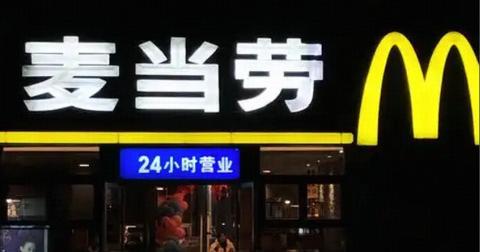
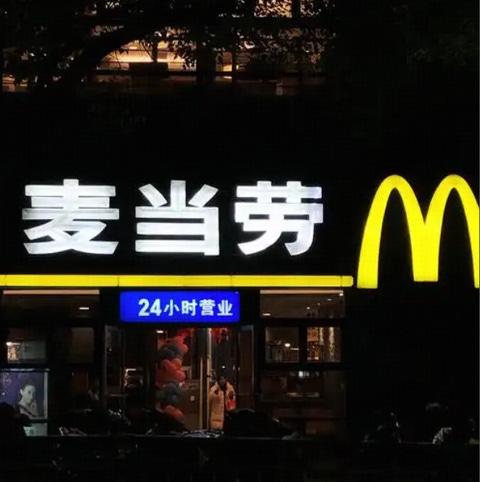
A simple Zhihu question recently struck a nerve: why are so many McDonald’s stores in China no longer open 24 hours, and why do some not even have toilets anymore? The replies were blunt, sarcastic, and revealing. For many Chinese users, this is not just about burgers. It is about a changing economy, tighter business math, and the quiet disappearance of places that once felt public, flexible, and always there.
The End of the All Night Refuge
For years, 24-hour McDonald’s carried a meaning beyond fast food. It was a place for night owls, students, gamers, travelers waiting out a late train, gig workers between shifts, and people who simply needed somewhere bright and safe to sit after midnight. In big Chinese cities, it also served as one of the few semi-public indoor spaces that did not immediately push you out for lingering too long.
That is exactly why some of the most upvoted Zhihu answers were so unsentimental. One user put it harshly: after midnight, 24-hour McDonald’s often became an informal shelter for the homeless. Others described customers occupying seats for hours, using the air conditioning, WiFi, and bathrooms without buying much, if anything. The tone was not kind, but the business point was clear. If a store is effectively providing public service without public funding, someone eventually asks whether the numbers still work.
In earlier years, global chains in China sometimes tolerated that tradeoff as part of their image. Being open all night signaled convenience, modernity, and reliability. Today, many people on Zhihu believe that phase is fading.
The Real Driver Is Cost, Not Nostalgia
The most grounded answers focused on one thing: cost control. Overnight service is expensive and demand is thin. Restaurants must keep staff on site, maintain equipment, prepare at least some food in advance, and throw away items that pass their ideal serving window. Labor can cost more at night, while foot traffic usually drops sharply after the late evening rush.
One Zhihu user summed it up neatly: on most nights, McDonald’s, KFC, and even some chain supermarkets lose money during overnight hours. Only on a few special holidays or at major transport hubs might those hours become profitable. The logic of 24-hour service, then, was often less about direct earnings and more about brand presence. It functioned like a form of advertising.
That kind of image spending is harder to justify in a weaker consumer environment. China’s restaurant industry has become more competitive, delivery has become more entrenched, and customers have become more price-sensitive. As one commenter noted, people now have many more late-night options than they used to, from convenience stores to food delivery to street stalls. In that environment, keeping a mostly empty dining room open all night starts to look less like service and more like waste.
“The disappearing 24-hour McDonald’s is really a story about margins. When the overnight crowd no longer covers the overnight bill, sentiment loses.”
Has McDonald’s Become More Chinese?
Some replies took the discussion in a different direction. Since 2017, McDonald’s mainland China business has been controlled by the Golden Arches group, with Chinese state-linked capital holding a majority stake and McDonald’s global retaining a minority share. For some Zhihu users, this shift symbolized something bigger: the chain may still wear the golden arches, but its decision-making now looks far more local.
That point can be overstated, and some users pushed back, noting that plenty of 24-hour stores still exist in specific locations. Still, the perception matters. A few commenters argued that the older model of keeping money-losing stores open overnight for branding reasons felt more like the classic multinational playbook. The newer model feels more hard-nosed, more localized, and more focused on unit economics.
Whether or not ownership is the decisive factor, the symbolism is striking. To many internet users, the old foreign fast food giant represented consistency and a kind of imported consumer promise. What they are seeing now is a chain adapting to Chinese realities with increasingly Chinese pragmatism.
And What About the Toilets?
The bathroom complaint may sound trivial, but it touches the same issue. Several users noted that many mall-based McDonald’s stores simply rely on shared mall toilets, so an in-store restroom is unnecessary. Others said that even some stores that used to have toilets have removed them or restricted access over time.
Again, the explanation offered online was practical rather than ideological. Toilets require cleaning, maintenance, water, space, and staff attention. They also attract non-paying foot traffic. In a business climate where every square meter and every staff minute is measured carefully, amenities that do not produce revenue come under pressure.
What disappears, then, is not just a restroom. It is one more layer of openness. A chain restaurant with seats, toilets, late-night service, and few questions asked used to function as a kind of low-grade urban commons. As those functions shrink, the city becomes a little more transactional.
Not Gone Everywhere, Just More Selective
It is worth noting that the viral complaint is only partly true. Plenty of respondents pointed out that some McDonald’s locations in China still operate 24 hours, especially near railway stations, airports, major commercial districts, or busy roadside locations. A few even posted examples from their own cities to prove the point.
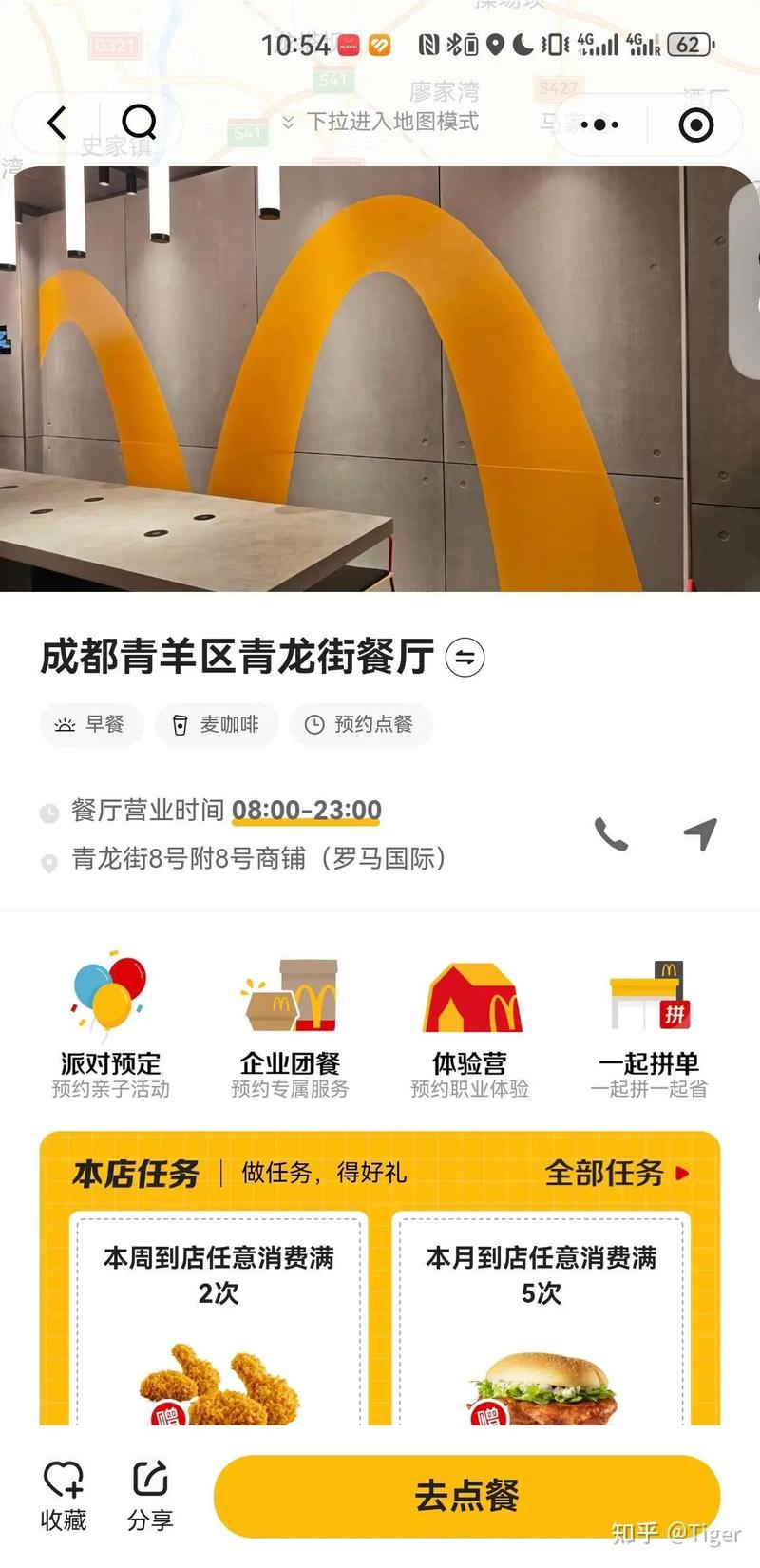
That detail actually strengthens the broader conclusion. This is not a blanket retreat. It is a selective one. Overnight service survives where traffic is reliable enough to justify it. Elsewhere, stores are shifting to schedules like 8 a.m. to 11 p.m., or even shorter windows. In other words, McDonald’s has not abandoned 24-hour service as an idea. It has narrowed it to the places where the math still works.
The same applies to toilets, breakfast hours, and in-store amenities more broadly. What Chinese consumers are noticing is a move away from excess convenience and toward operational discipline.
A Small Story That Says Something Bigger
On the surface, the Zhihu thread is about fast food. Underneath, it reflects something much larger about China in 2026. Companies are more cost-conscious, consumers are more value-conscious, and services once taken for granted are being quietly trimmed back. The places that survive as all-night, low-friction urban shelters are shrinking.
That helps explain why the question resonated so widely. People are not just mourning late-night fries. They are noticing that even McDonald’s, one of the world’s most standardized and convenience-driven brands, no longer feels endlessly available. In a country where many people once associated modern life with more access, longer hours, and more comfort, that change feels oddly symbolic.
Curated and translated from Zhihu, China's largest Q&A platform.
Newsletter
Subscribe to The Expat Edit
Chinese perspectives on global events, wars, and great power competition. Curated from Zhihu.
Free. No spam. View on Substack →