
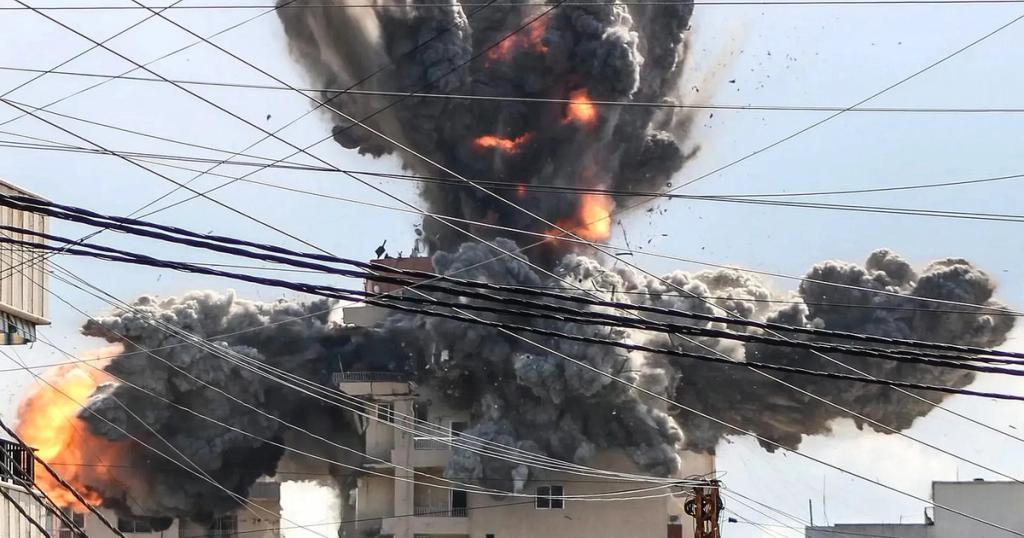
If you have been following Chinese discussion boards this week, one theme keeps coming up: the war may be in a partial pause, but nobody really trusts the pause. Iran says it does not want war, yet insists it will not surrender its rights. Trump says he wants Israel to act more quietly in Lebanon, yet Israeli strikes there continue. The Strait of Hormuz remains open, but under tighter Iranian control. In short, this is no clean ceasefire. It is a tense, unstable holding pattern where every side is preparing for the next round.
Why Lebanon Suddenly Matters So Much
The most important development is not actually inside Iran. It is Lebanon. Iranian officials have made it increasingly clear that any meaningful de-escalation has to include Lebanon, not just direct U.S.-Iran or Israel-Iran fighting. That matters because Hezbollah is not a side issue in Tehran’s eyes. It is part of the same strategic front.
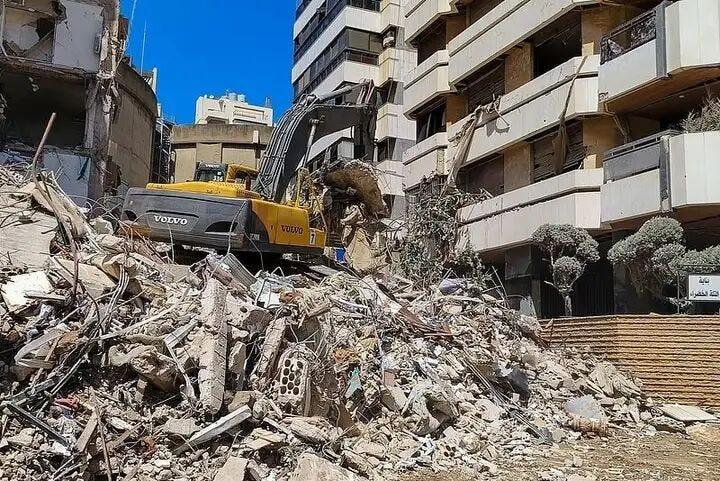
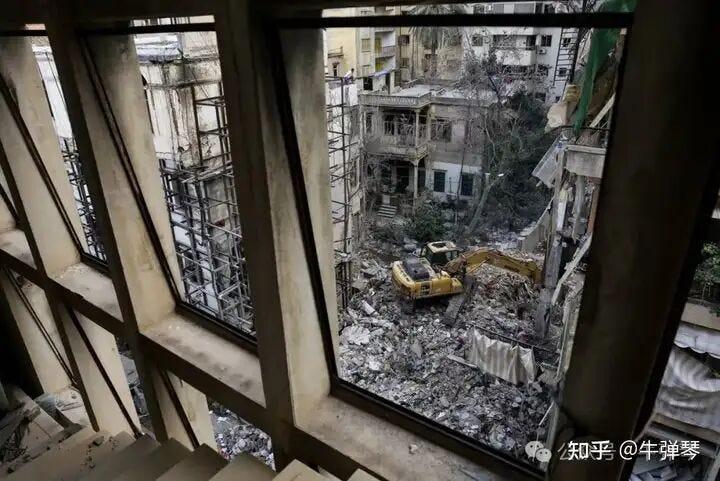
This is why recent Israeli attacks on Lebanon have caused such alarm. Iranian leaders see those strikes as a test of whether any American promise means anything at all. If Washington talks peace while Israel expands attacks next door, Tehran reads that as proof that the diplomatic track is hollow.
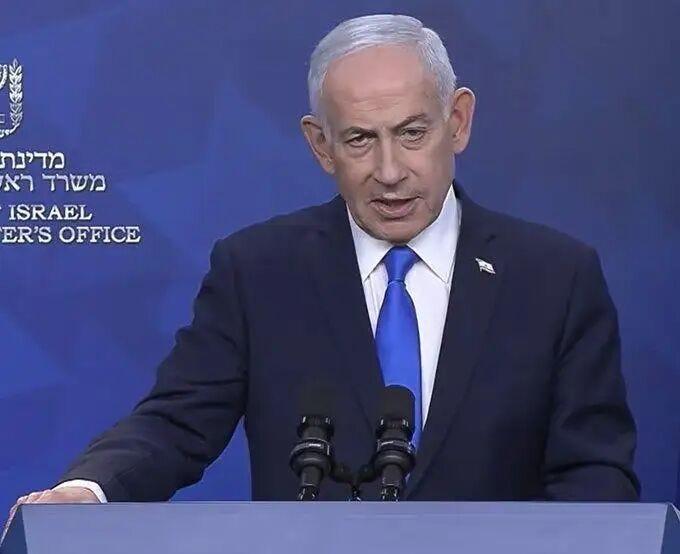
Israeli Prime Minister Benjamin Netanyahu has not exactly been subtle about this. His message has been that military pressure in Lebanon will continue until Israel feels secure in the north. That puts him directly at odds with the broader effort to freeze the conflict. It also raises the risk that the war simply changes shape instead of ending.
Iran’s Position Is Hardening, Not Softening
Iranian messaging over the past 48 hours has been firm and carefully layered. Officials are saying three things at once. First, Iran does not seek an endless war. Second, it will demand compensation for wartime damage and losses. Third, it intends to move control of the Strait of Hormuz into what one statement called “a new stage.”
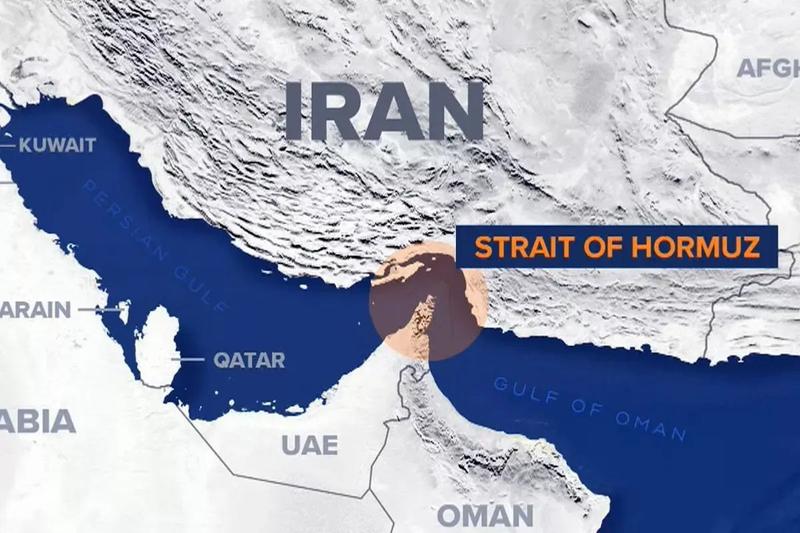
That last phrase deserves attention. Tehran has not shut the waterway, and for now it appears to be keeping it open under restrictions. But the point is political as much as logistical. Iran is signaling that even without a full blockade, it can make one of the world’s most important energy chokepoints more conditional, more uncertain, and more expensive for everyone involved.

“The war may be quieter than a week ago, but nobody is behaving like peace has actually arrived.”
Reports circulating in Chinese media summaries say Iran is allowing only a limited number of ships through Hormuz each day. Even if the exact number changes, the strategic signal is the same. Tehran wants the world to know it still holds leverage, and it is willing to use controlled disruption instead of all-out closure.
Trump Wants Restraint. Can He Actually Deliver It?
One of the biggest questions now is whether Trump still has full control over the pace of escalation. Publicly, he has said he wants Israel to keep operations in Lebanon “more low key” in order to preserve the chance of a broader deal with Iran. But in practice, Israeli actions have continued to undercut that message.
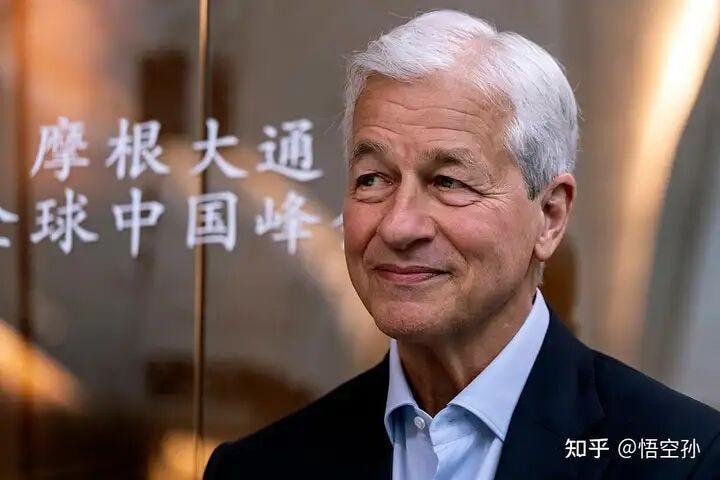
This is where Chinese online commentary has become especially sharp. A number of popular posts argue that the conflict has grown beyond Trump’s personal instincts and is now tied to wider elite interests in Washington. Some focus on Wall Street figures calling for a hard line. Others argue that American credibility, energy leverage, and regional hierarchy are all now seen as wrapped up in the outcome.
Whether you agree with that framing or not, the broader point is worth noting: once a war becomes embedded in establishment logic, stepping back gets much harder. Leaders may privately want a pause while institutions around them keep preparing for the next confrontation.
The Netanyahu Factor Is Bigger Than Many Headlines Admit
Another recurring point in Chinese analysis is Netanyahu’s domestic legal trouble. His corruption trial is set to resume, and that timing is impossible to ignore. Critics argue that a larger war or a prolonged state of emergency helps him politically, because crisis delays accountability. Peace, by contrast, brings courts, elections, and possibly the end of his career.
It would be simplistic to say this is the only reason Israel is fighting. But it would be equally naive to pretend domestic survival is irrelevant. In many conflicts, the battlefield logic and the courtroom logic start feeding each other. That appears to be part of what is happening here.
Why Pakistan Has Become an Unexpected Player
One underappreciated piece of this story is Pakistan’s role. Islamabad has been unusually active in mediation and diplomatic outreach, trying to keep channels open between rival camps while also voicing anger over Israeli attacks in Lebanon. That balancing act is not easy. Pakistan has ties with the United States, close relations with China, working relations with Gulf states, and enough contact with Iran to serve as a useful intermediary.
Chinese observers have noticed this and, in many cases, praised Pakistan’s growing confidence. Some even frame it as part of a broader shift in regional diplomacy, where middle powers are no longer waiting for Washington or Brussels to script every move. Whether Pakistan can actually help lock in a durable pause is another matter. But its profile has clearly risen.
So What Should We Watch Next?
There are four signals worth watching over the next few days. First, whether Israeli operations in Lebanon actually decrease, not just rhetorically but on the ground. Second, whether Iran tightens shipping restrictions in Hormuz further. Third, whether U.S. force movements in the region suggest deterrence or preparation for renewed combat. Fourth, whether the legal and political calendar inside Israel starts affecting military decisions more visibly.
The biggest mistake right now is to confuse quieter headlines with a solved crisis. This war has entered a murky phase where diplomacy, domestic politics, military signaling, and energy pressure are all tangled together. The guns may be less loud for the moment. The danger is that all the structural incentives for escalation are still there.
By The Expat Edit · April 11, 2026
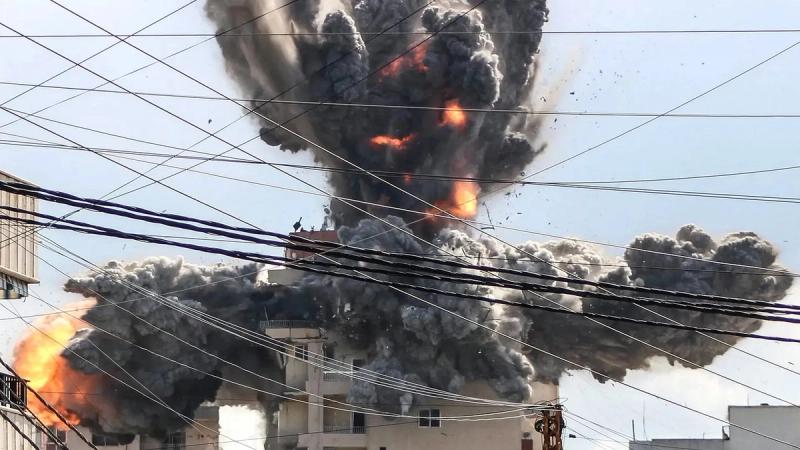
If you have been following Chinese discussion boards this week, one theme keeps coming up: the war may be in a partial pause, but nobody really trusts the pause. Iran says it does not want war, yet insists it will not surrender its rights. Trump says he wants Israel to act more quietly in Lebanon, yet Israeli strikes there continue. The Strait of Hormuz remains open, but under tighter Iranian control. In short, this is no clean ceasefire. It is a tense, unstable holding pattern where every side is preparing for the next round.
Why Lebanon Suddenly Matters So Much
The most important development is not actually inside Iran. It is Lebanon. Iranian officials have made it increasingly clear that any meaningful de-escalation has to include Lebanon, not just direct U.S.-Iran or Israel-Iran fighting. That matters because Hezbollah is not a side issue in Tehran’s eyes. It is part of the same strategic front.
This is why recent Israeli attacks on Lebanon have caused such alarm. Iranian leaders see those strikes as a test of whether any American promise means anything at all. If Washington talks peace while Israel expands attacks next door, Tehran reads that as proof that the diplomatic track is hollow.
Israeli Prime Minister Benjamin Netanyahu has not exactly been subtle about this. His message has been that military pressure in Lebanon will continue until Israel feels secure in the north. That puts him directly at odds with the broader effort to freeze the conflict. It also raises the risk that the war simply changes shape instead of ending.
Iran’s Position Is Hardening, Not Softening
Iranian messaging over the past 48 hours has been firm and carefully layered. Officials are saying three things at once. First, Iran does not seek an endless war. Second, it will demand compensation for wartime damage and losses. Third, it intends to move control of the Strait of Hormuz into what one statement called “a new stage.”
That last phrase deserves attention. Tehran has not shut the waterway, and for now it appears to be keeping it open under restrictions. But the point is political as much as logistical. Iran is signaling that even without a full blockade, it can make one of the world’s most important energy chokepoints more conditional, more uncertain, and more expensive for everyone involved.
“The war may be quieter than a week ago, but nobody is behaving like peace has actually arrived.”
Reports circulating in Chinese media summaries say Iran is allowing only a limited number of ships through Hormuz each day. Even if the exact number changes, the strategic signal is the same. Tehran wants the world to know it still holds leverage, and it is willing to use controlled disruption instead of all-out closure.
Trump Wants Restraint. Can He Actually Deliver It?
One of the biggest questions now is whether Trump still has full control over the pace of escalation. Publicly, he has said he wants Israel to keep operations in Lebanon “more low key” in order to preserve the chance of a broader deal with Iran. But in practice, Israeli actions have continued to undercut that message.
This is where Chinese online commentary has become especially sharp. A number of popular posts argue that the conflict has grown beyond Trump’s personal instincts and is now tied to wider elite interests in Washington. Some focus on Wall Street figures calling for a hard line. Others argue that American credibility, energy leverage, and regional hierarchy are all now seen as wrapped up in the outcome.
Whether you agree with that framing or not, the broader point is worth noting: once a war becomes embedded in establishment logic, stepping back gets much harder. Leaders may privately want a pause while institutions around them keep preparing for the next confrontation.
The Netanyahu Factor Is Bigger Than Many Headlines Admit
Another recurring point in Chinese analysis is Netanyahu’s domestic legal trouble. His corruption trial is set to resume, and that timing is impossible to ignore. Critics argue that a larger war or a prolonged state of emergency helps him politically, because crisis delays accountability. Peace, by contrast, brings courts, elections, and possibly the end of his career.
It would be simplistic to say this is the only reason Israel is fighting. But it would be equally naive to pretend domestic survival is irrelevant. In many conflicts, the battlefield logic and the courtroom logic start feeding each other. That appears to be part of what is happening here.
Why Pakistan Has Become an Unexpected Player
One underappreciated piece of this story is Pakistan’s role. Islamabad has been unusually active in mediation and diplomatic outreach, trying to keep channels open between rival camps while also voicing anger over Israeli attacks in Lebanon. That balancing act is not easy. Pakistan has ties with the United States, close relations with China, working relations with Gulf states, and enough contact with Iran to serve as a useful intermediary.
Chinese observers have noticed this and, in many cases, praised Pakistan’s growing confidence. Some even frame it as part of a broader shift in regional diplomacy, where middle powers are no longer waiting for Washington or Brussels to script every move. Whether Pakistan can actually help lock in a durable pause is another matter. But its profile has clearly risen.
So What Should We Watch Next?
There are four signals worth watching over the next few days. First, whether Israeli operations in Lebanon actually decrease, not just rhetorically but on the ground. Second, whether Iran tightens shipping restrictions in Hormuz further. Third, whether U.S. force movements in the region suggest deterrence or preparation for renewed combat. Fourth, whether the legal and political calendar inside Israel starts affecting military decisions more visibly.
The biggest mistake right now is to confuse quieter headlines with a solved crisis. This war has entered a murky phase where diplomacy, domestic politics, military signaling, and energy pressure are all tangled together. The guns may be less loud for the moment. The danger is that all the structural incentives for escalation are still there.
Curated and translated from Zhihu, China's largest Q&A platform.
Newsletter
Subscribe to The Expat Edit
Chinese perspectives on global events, wars, and great power competition. Curated from Zhihu.
Free. No spam. View on Substack →