
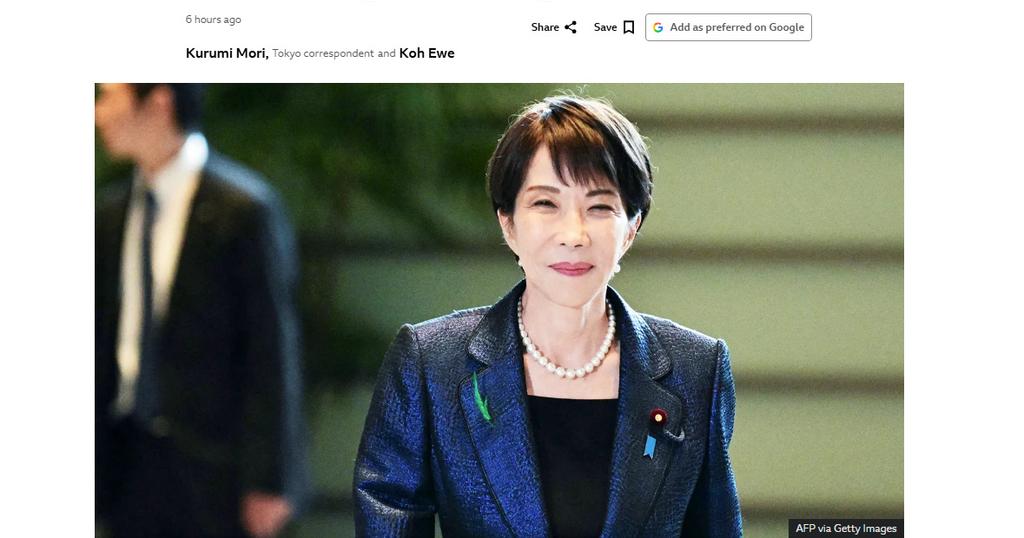
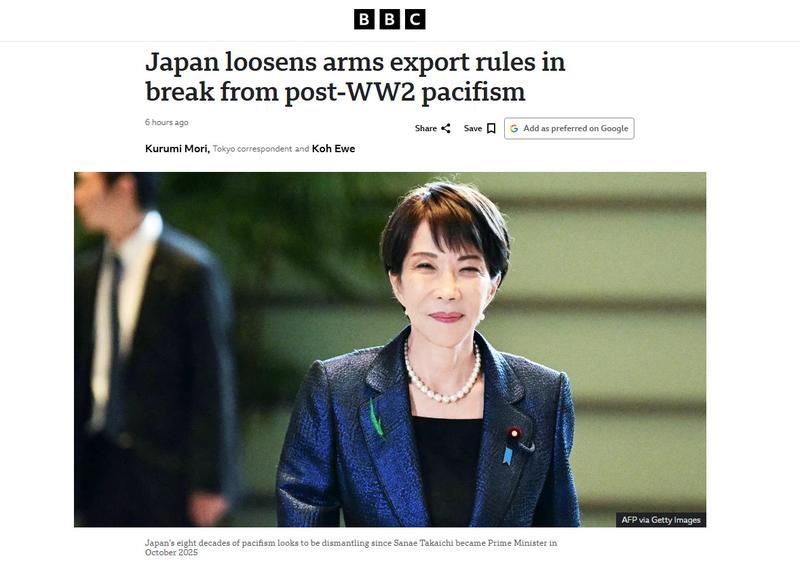
Japan has officially approved a major shift in defense policy, with the cabinet revising its long-standing rules on military exports and, in principle, allowing the export of lethal weapons. For many outside Japan, this sounds technical. In reality, it marks another serious step away from the country’s postwar restraints and toward a more openly militarized regional role. The move has already triggered debate inside Japan, alarm across Asia, and a fresh round of questions about what comes next in Northeast Asia.
What Actually Changed
According to Japanese media and official reporting, Tokyo revised the “Three Principles on Transfer of Defense Equipment” and their implementation guidelines during a cabinet meeting on April 21. In plain English, this means Japan is no longer restricting arms exports mostly to non-combat categories. Finished weapons, including lethal systems, can now be exported in principle, subject to government approval.
The old framework had already been loosened over the past decade, especially under Shinzo Abe, but this latest move is broader and more politically symbolic. It reportedly opens the door not only to exporting more complete weapons systems, but in certain cases even supplying countries involved in conflict. Final approval will rest with top political leadership, including the prime minister, chief cabinet secretary, foreign minister, and defense minister, before notification is sent to parliament.
That may sound like bureaucratic fine print, but the signal is unmistakable. Japan is trying to normalize the idea that its defense industry should be a real international arms supplier, not merely a tightly constrained domestic one.
Why This Is Bigger Than Just Exports
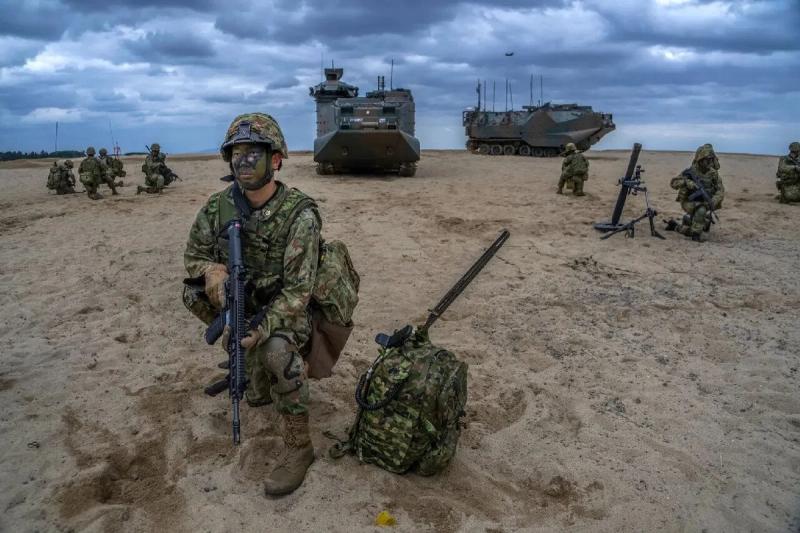
To understand why this matters, you have to zoom out. Since World War II, Japan’s political identity has rested heavily on the language of peace, restraint, and constitutional limits on military power. Over time, however, successive governments have chipped away at those boundaries. Collective self-defense was reinterpreted. Military planning documents were updated. Defense budgets expanded. Long-range strike capabilities entered mainstream discussion. Now weapons exports are being loosened again.
Seen in isolation, any one of these changes can be framed as modest, technical, or necessary. Seen together, they tell a different story. Japan is incrementally shedding the postwar political constraints that once defined it. Critics inside China and elsewhere in Asia see this not as routine policy modernization, but as a clear pattern of remilitarization.
Japanese supporters of the move argue that the country needs a stronger defense industry, closer strategic cooperation with allies, and a larger role in regional deterrence. Critics reply that once arms exports become normalized, it becomes easier politically and economically to justify more weapons production, deeper military integration, and a broader strategic footprint abroad.
Japan is not just selling hardware. It is redefining what kind of state it wants to be.
The Political Engine Behind It
The current move is closely tied to the political mood in Tokyo. Since the Abe era, conservative leaders have pushed what they often call a more “normal” Japan, meaning a Japan less constrained by postwar legal and psychological limits. Prime Minister Sanae Takaichi is widely seen as carrying that agenda forward with even less hesitation.
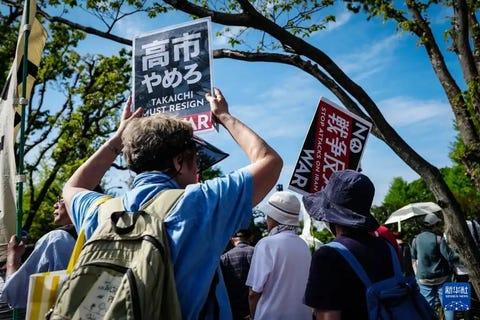
Domestic opposition has not disappeared. Many Japanese citizens still view expanded militarization with suspicion, and protests have broken out over the policy shift. But the parliamentary and media environment is no longer what it was decades ago. The old anti-militarist bloc is weaker, more fragmented, and less able to force dramatic reversals. That matters. A policy once considered politically radioactive is now being treated by parts of the establishment as a practical industrial and strategic adjustment.
In other words, the decision is not just about external threats. It also reflects internal ideological change inside Japan itself.
Why China and the Region Are Watching Closely
Beijing reacted sharply and predictably, linking the move to Japan’s history of aggression in Asia and warning against the revival of militarism. That language is not just diplomatic theater. In Chinese political memory, Japanese rearmament is never a neutral topic. Historical trauma, unresolved territorial tensions, and present-day alliance politics all feed into a much larger regional lens.
For China, the concern is not that Japanese arms exports alone suddenly overturn the balance of power in Northeast Asia. Japan is not about to outproduce the United States or outmatch China militarily on its own. The more immediate issue is that defense exports can strengthen Japan’s military-industrial base, increase incentives for weapons innovation, and support the development of systems that are more offensive in nature than the defensive image Tokyo long preferred.
There is also the alliance dimension. As the United States pushes allies to shoulder more of the burden for deterrence and production, Japan becomes more valuable as a manufacturing and logistics node. If Tokyo starts to function more openly as a supplier of munitions and weapons systems to partners abroad, its strategic relevance expands well beyond home defense.

Will It Change Northeast Asia Overnight?
Probably not overnight. This is where the online reaction can get overheated. Many Chinese commentators see the move as proof that Japan is racing back toward militarism. Others dismiss it as symbolic posturing by a country whose arms industry remains expensive, tightly connected to the US system, and not especially competitive globally. Both sides capture part of the truth.
Japan faces real limits. Global arms markets are already crowded. Existing suppliers have deep client relationships. Japanese equipment is often costly, and scaling up production is not simple. So this decision alone does not mean Japanese-made weapons will suddenly flood Asia or Europe.
But strategic change does not have to be immediate to be significant. The longer-term effect is more important than the short-term sales figures. Once the legal and political taboo weakens, future steps become easier. More exports can justify more production. More production can justify more research. More research can produce systems with longer range, greater interoperability, and more offensive utility. The policy shift matters because it lowers the barrier for the next shift.
What Comes Next
Expect this issue to ripple in three directions. First, it will intensify the regional security debate. China, Russia, and North Korea will all fold this into their own threat narratives and military planning. Second, it will deepen discussion inside Japan over constitutional revision, long-range strike policy, and the meaning of the country’s so-called peace identity. Third, it will raise expectations from the United States and possibly European partners that Japan should contribute more not only strategically, but industrially.
For expats watching from China, the key point is this: the real story is not a single cabinet vote. It is the broader trajectory. Tokyo is moving, step by step, toward a more assertive military posture and a more flexible defense economy. Whether one sees that as normalization or danger depends heavily on politics, history, and geography.
Either way, Northeast Asia just got another reminder that the postwar order is being rewritten in real time.
Curated and translated from Zhihu, China's largest Q&A platform.
Newsletter
Subscribe to The Expat Edit
Chinese perspectives on global events, wars, and great power competition. Curated from Zhihu.
Free. No spam. View on Substack →