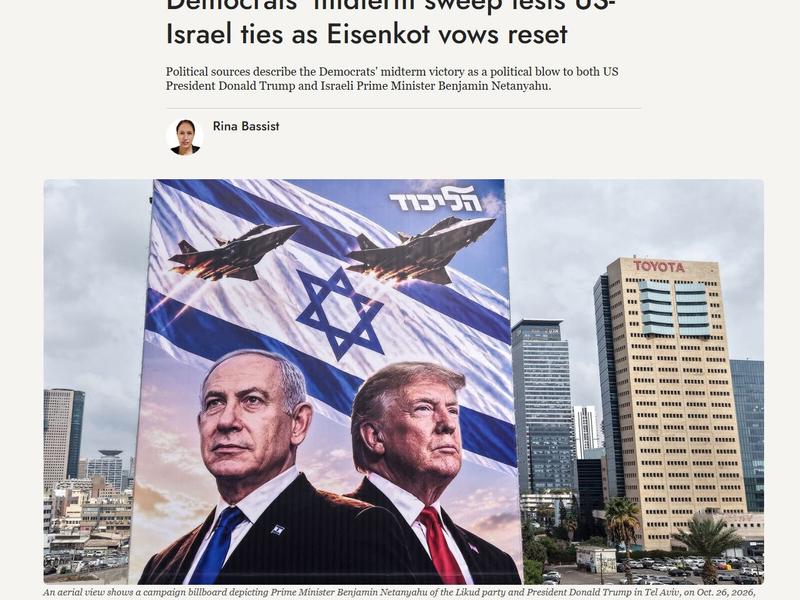
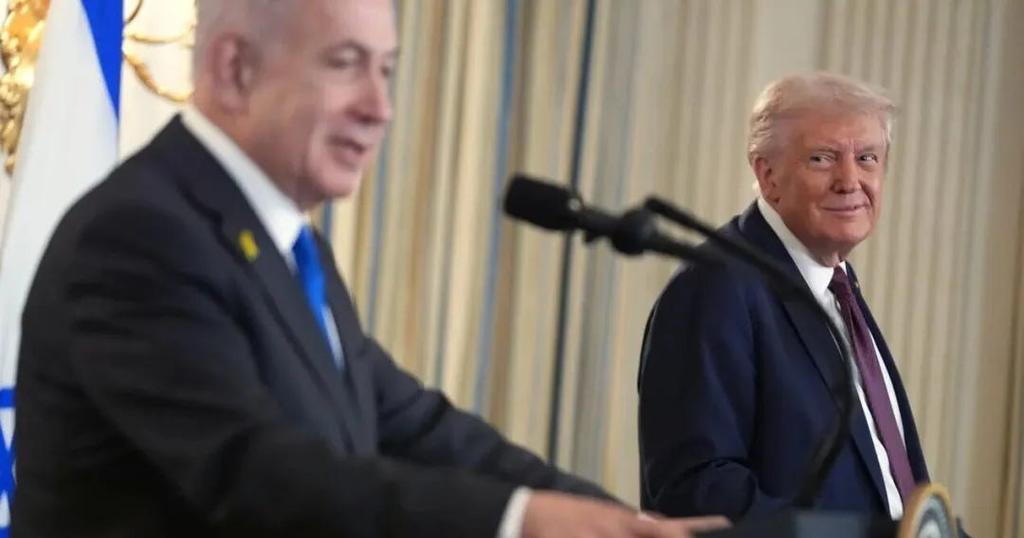
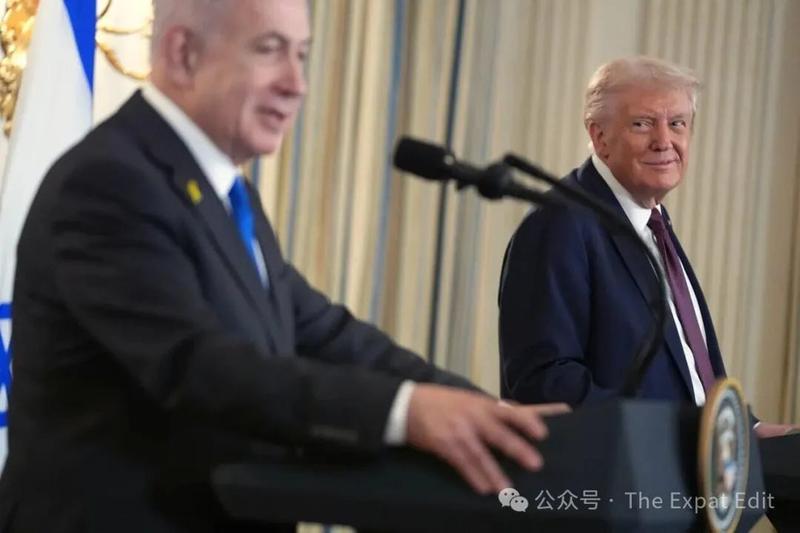
President Trump said on Tuesday that the United States will stop its annual military aid to Israel, roughly $3.8 billion a year under a ten-year agreement signed in 2016, at the end of this year, two years before the deal was due to expire. Israel can still buy American weapons. Trump said the idea came from Prime Minister Benjamin Netanyahu, who has said he wants Israel to wean itself off American money.
It is not often that a change in American foreign policy gets dissected more carefully in Chinese than in English, but the end of the Israel aid package has become that kind of story. On Zhihu, the Chinese question-and-answer site where current events get argued through at length, the announcement drew a thread of long, numbered answers within hours, and the consensus that emerged there is sharper than most Western coverage: that Israel wanted out of the deal, that the money was a leash as much as a gift, and that an America stretched by its own politics and its own arms factories is quietly shifting from patron to partner.
The most upvoted answer, from a user writing as 飞跃本屯, opened by correcting the headline number. The figure is $3.8 billion, not $4 billion, set in a memorandum the Obama administration signed with Israel in 2016 and covering fiscal years 2019 through 2028. Far from being free money, the poster argued, the agreement was resented inside Israel from the start. Earlier aid let Israel spend roughly a quarter of the funds on its own defense industry; the 2016 terms phased that out in favor of buying American. A separate allowance for fuel purchases was ended. And under American arms export law the president can suspend assistance at any time, which in practice meant Israel needed Washington’s nod before any major operation. The poster’s phrase for the arrangement was a loaded one in Chinese, roughly “surrendering sovereignty and humiliating the nation,” the language once used for the unequal treaties of the nineteenth century.
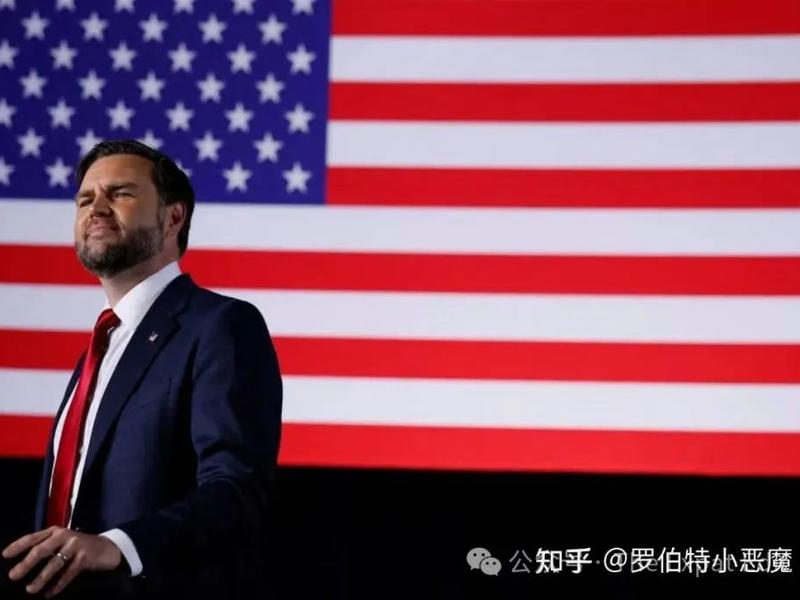
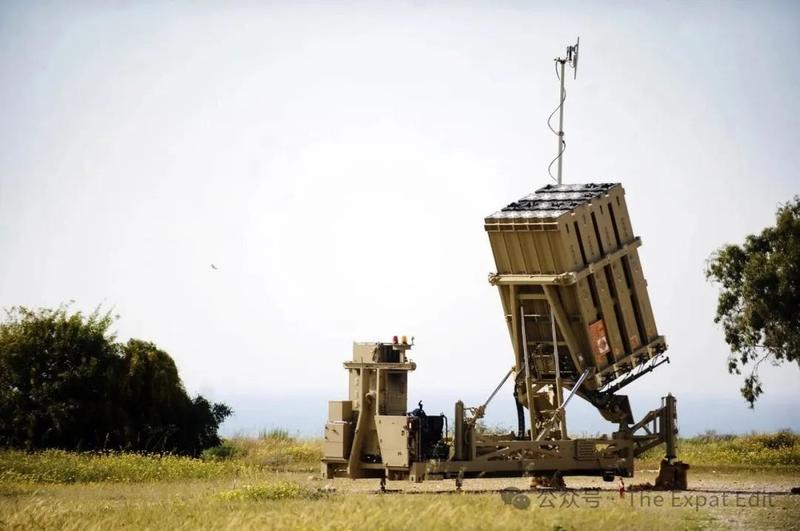
From there the argument turned to risk. The first risk, in this telling, is American politics. Israel’s influence over the Washington establishment has been enormous, the poster wrote, but a new populist generation on both flanks is less reliable: New York’s mayor on the left, who has openly supported the International Criminal Court’s warrant for Netanyahu, and Vice President Vance on the right, described as the member of the administration least enthusiastic about confronting Iran. The second risk is the American arsenal itself. Citing figures attributed to the Washington think tank CSIS, the poster claimed that this year’s conflict with Iran consumed more than half of the United States’ interceptor stockpile, with one missile type falling from about 2,330 before the fighting to roughly 800 after, and that rebuilding could take until 2030.
The conclusion, which several other answers shared, is that Netanyahu moved first. In May he told the CBS program “60 Minutes” that Israel hoped to bring the financial part of its military relationship with the United States to zero within a decade, because, in his words, the country had grown up, and that he did not want to wait for the next Congress. The same month, by this account, Israel’s parliament approved a ten-year rearmament plan worth 350 billion shekels, about $119 billion, including domestic munitions production. The poster’s twist was that Israel does not actually want to go it alone; it wants American defense firms to build factories on Israeli soil. “Isn’t that just aid in another form?” he asked. The broader strategic frame, borrowed from a familiar reading of British imperial history, was that the United States is returning to the role of offshore balancer in the Middle East: keep two regional rivals roughly matched, tip the scales when one pulls ahead, and buy influence at a discount.
“Take someone’s money and your hands are tied; eat someone’s food and your mouth is shut. For Israel, this aid did more harm than good.”
A second detailed answer, from 涂子, broke the package down further: about $3.2 billion a year for military procurement, of which the poster said 92 percent had to be spent with American contractors, and roughly $500 million for missile defense. Netanyahu, this poster noted, had originally talked about phasing the aid out gradually; what Trump announced is an abrupt halt at the end of 2026. The suggested reason was domestic. Polling support in the United States for cutting unconditional military aid to Israel has risen by more than ten points, the poster wrote, and after a punishing midterm election the president was in no position to ignore it. The same answer argued the loss will barely register in Israel. Whatever Democrats think of the war, Israel remains Washington’s only durable ally in the region, and the current agreement was, after all, Obama’s.
Not every voice bought the “Israel wanted this” line. One dissenter read the cut as a sign of American decline, “the landlord’s granary is empty too,” and predicted that as American weapons lose their edge the gap between Israel and its neighbors will narrow. The same user suggested the person most unsettled by the news would be Ukraine’s president, watching a far closer ally lose its allowance. Another saw the whole thing as campaign theater, a way for Trump to answer critics who say he spends American money abroad while telling his own anti-Israel base that he has drawn a line. A shorter reply observed that the agreement was always a tool for restraining Israel as much as arming it, and wondered aloud what an Israel with no financial tether and a growing domestic arms industry would look like to the rest of the Middle East. “Israel will become more aggressive,” that poster wrote, “and its enemies more cautious.”
What is striking, reading the thread from Beijing or Shanghai, is how little of it is about Israel or Palestine as a moral question and how much is about leverage. Chinese commentators tend to see foreign aid the way they see a favor from a relative: generous, binding, and never quite free. By that logic the end of the package is not a rupture but a renegotiation, with Israel trading a guaranteed check for a freer hand and the United States trading influence for savings. Whether that reading is right will become clear over the next two years, as the old agreement winds down and the new one, whatever it is, takes shape. For now it is at least a more interesting theory than the one in most headlines.
Read the original Zhihu thread: https://www.zhihu.com/question/2101246252964917912
Curated and translated from Zhihu, China's largest Q&A platform.
Newsletter
Subscribe to The Expat Edit
Chinese perspectives on global events, wars, and great power competition. Curated from Zhihu.
Free. No spam. View on Substack →