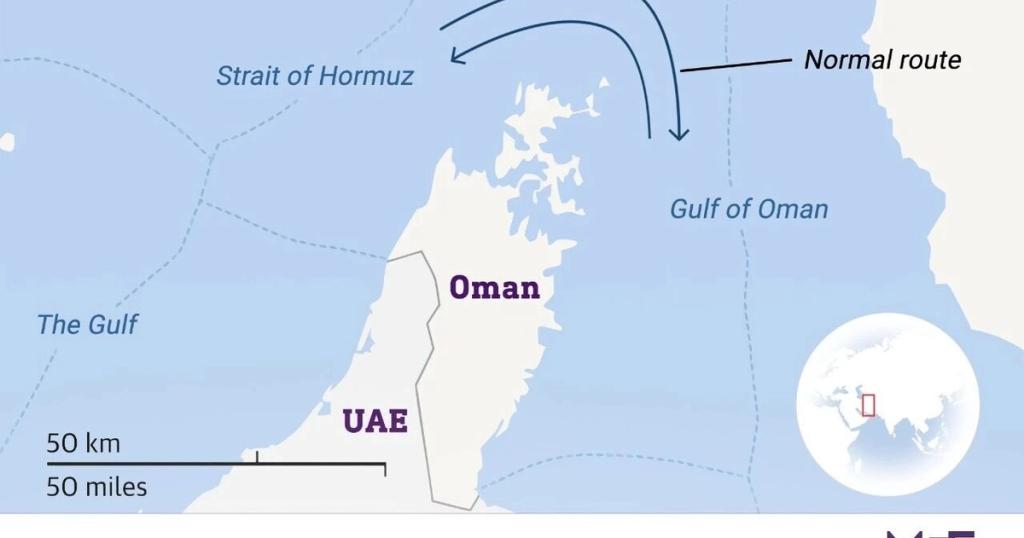
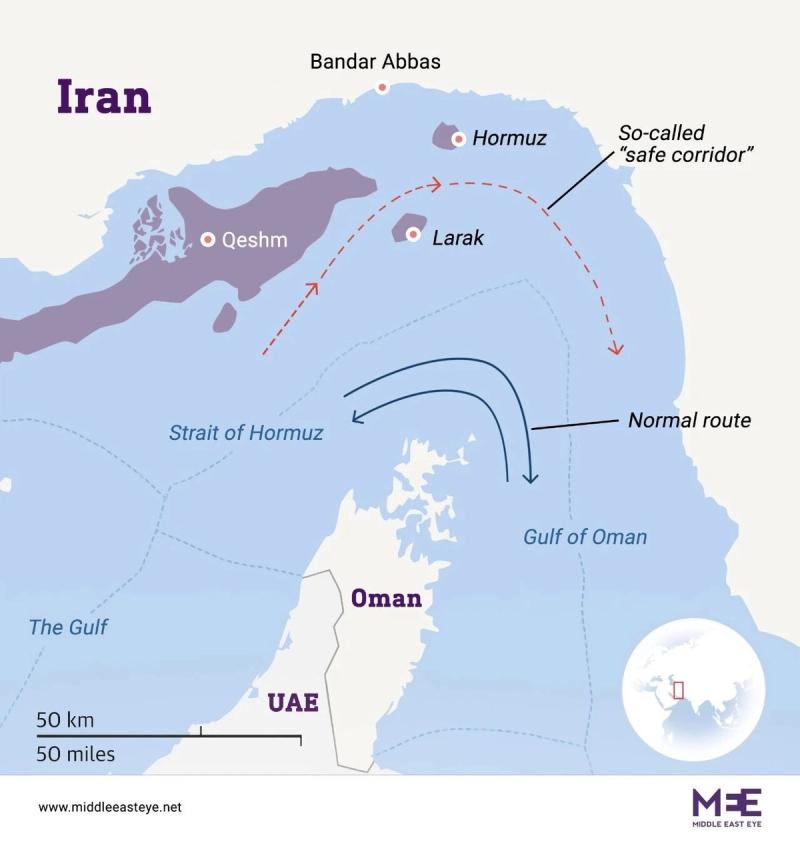
Iran has announced a newly designated shipping route in the Strait of Hormuz, running from south of Hormuz Island to waters south of Larak Island. The route, branded the “Larak Corridor,” reportedly cannot be used without permission from the naval arm of the Islamic Revolutionary Guard Corps. That one detail is why the story matters. This is not just about traffic management. It is about who gets to decide how one of the world’s most important energy chokepoints functions, who pays to use it, and how much fear alone can move oil prices even when ships are still sailing.
What Iran Actually Announced
The headline version is simple: Iran says there is now a new route through part of the Strait of Hormuz, and vessels need Revolutionary Guard approval to pass through it. Chinese social media quickly framed this as proof that Iran has entered a new phase of control over the strait. That is only partly true. Tehran has not literally shut the waterway to all traffic. What it has done is more subtle and arguably more powerful. It is trying to convert a public sea lane into a managed passage where access can be screened, priced, and politically signaled.
That distinction matters. A total blockade is dramatic, but it is also risky and difficult to sustain. A selective system is different. It lets Iran say some ships may pass, others may not, and still others may need to seek permission first. For markets, insurers, and shipowners, uncertainty can be almost as disruptive as an outright closure.
Why This Matters More Than the Viral Headlines Suggest
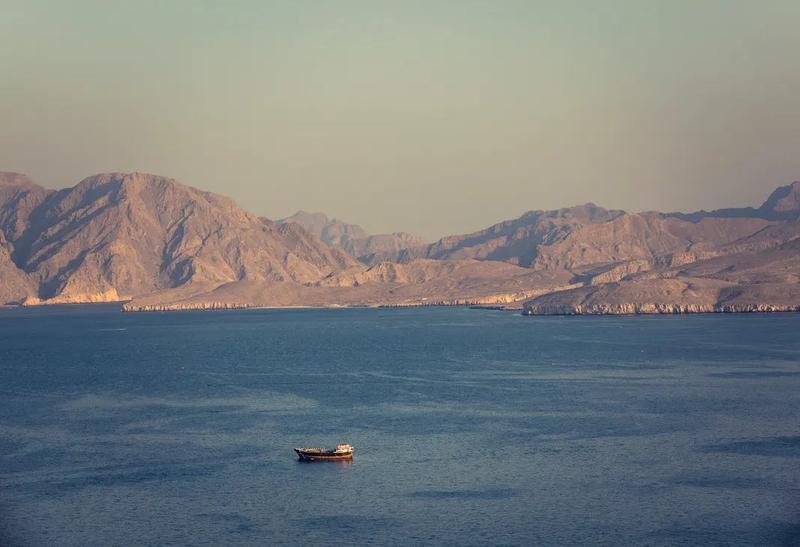
Some of the loudest online takes claim that Hormuz is either fully open or fully closed. Reality is messier. Even during periods described as “blockades,” ships have continued to pass, just in lower numbers and under higher risk. Analysts cited in the Zhihu discussion argue that AIS tracking has become unreliable because some commercial vessels switch off transponders to reduce their visibility. That means public dashboards may show only a fraction of actual traffic.
In other words, the biggest change may not be whether ships can pass at all. It may be who defines the rules of passage. If Iran can create a de facto permission system, then even without stopping every tanker, it can shape freight rates, insurance premiums, and market psychology. Once the market believes transit is conditional, costs rise across the entire chain. Oil, fertilizer, chemicals, and shipping all feel it.
“You do not need to stop every ship to change the economics of the strait. You only need to convince the market that passage now depends on permission.”
A Corridor, a Filter, and Possibly a Future Toll Gate
One recurring interpretation on Zhihu is that Iran is laying the groundwork for a more formalized screening and fee system. In plain English, something closer to a toll gate. Several commenters believe this is the strategic heart of the move. A designated lane makes it easier to monitor which ships are “friendly,” which are neutral, and which are tied to the United States, Israel, or sanctions enforcement. It also makes it easier to separate ordinary commercial traffic from vessels Iran may want to delay, inspect, or pressure.
There is also a practical angle. Some Chinese commentators suggested the older northern route was poorly suited for giant crude carriers under current risk conditions, and that this new corridor may function as a managed path for larger or specially approved vessels. If so, the corridor is not just symbolic. It could become part of a new operating system for the strait, one where Iran decides the terms and collects leverage every step of the way.
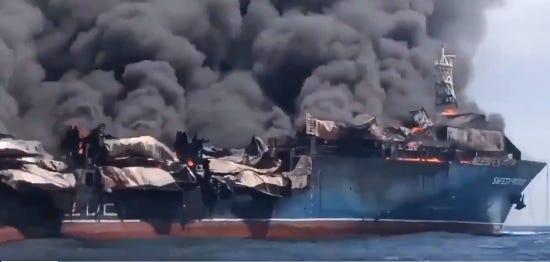
The Military Backdrop: Why Timing Matters
This announcement did not happen in a vacuum. It landed amid rising tensions over ship interceptions, sanctions enforcement, and a still fragile diplomatic track between Tehran and Washington. Several of the most widely shared Zhihu responses connect the corridor decision to the reported U.S. interception of the Iranian cargo vessel Touska. Whether every claim around that incident is accurate or not, the political effect is clear. Iran wants to show that if the United States can disrupt Iranian maritime movement, Tehran can also rewrite the rules closer to home.
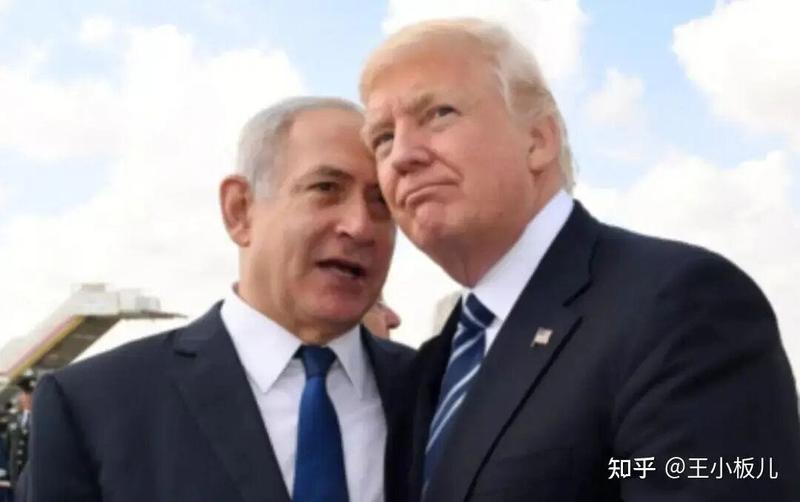
There is also a domestic power struggle angle. Some Chinese commenters read this as evidence that Iranian hardliners, especially those aligned with the Revolutionary Guard, are gaining the upper hand over diplomats who previously hinted that all commercial shipping could pass. If that reading is correct, the corridor is not only a message to the outside world. It is also a signal of who is shaping Iran’s policy from within.
So Is Hormuz “Closed”? Not Exactly
The cleanest answer is no. At least not in the absolute way many headlines imply. What seems more plausible is a selective regime in which some ships continue to transit while others face greater friction, higher costs, or denial. That is enough to alter global pricing. The Strait of Hormuz handles an enormous share of global energy flows, and even partial restrictions can have oversized effects.
This is why some of the most grounded commentary in the Zhihu thread focused less on dramatic war language and more on mechanics. Who gets waved through. Who gets inspected. Which flags are considered hostile. Whether giant crude carriers feel safe enough to return. Whether insurers price the corridor as manageable or unacceptably risky. These operational details matter more than slogans about total closure.
What Beijing Watchers and China Based Expats Should Notice
From a China angle, the story is bigger than maritime law. Any durable shift in Hormuz transit rules touches oil prices, chemical feedstocks, fertilizer costs, and shipping risk. China does not just watch the Gulf as a distant geopolitical theater. It watches it because Gulf instability eventually shows up in factory margins, logistics bills, and consumer prices.
Chinese online debate also reflects a wider skepticism toward simplistic Western media framing. Many users are pushing back against the idea that the strait is either completely normal or completely shut. Their argument is that controlled uncertainty has become the real weapon. Ships may still move, but the cost of moving them rises because the route is no longer assumed to be neutral, automatic, and open.
If that interpretation proves right, then Iran’s new corridor marks a meaningful shift. Not because Tehran has physically conquered new water, but because it is testing whether it can turn geography into administrative power. A sea lane once treated as globally shared is being reframed as something that can be licensed, monitored, and politically monetized. That is a very different kind of control. It is quieter than a blockade, but possibly more durable.
Curated and translated from Zhihu, China's largest Q&A platform.
Newsletter
Subscribe to The Expat Edit
Chinese perspectives on global events, wars, and great power competition. Curated from Zhihu.
Free. No spam. View on Substack →