
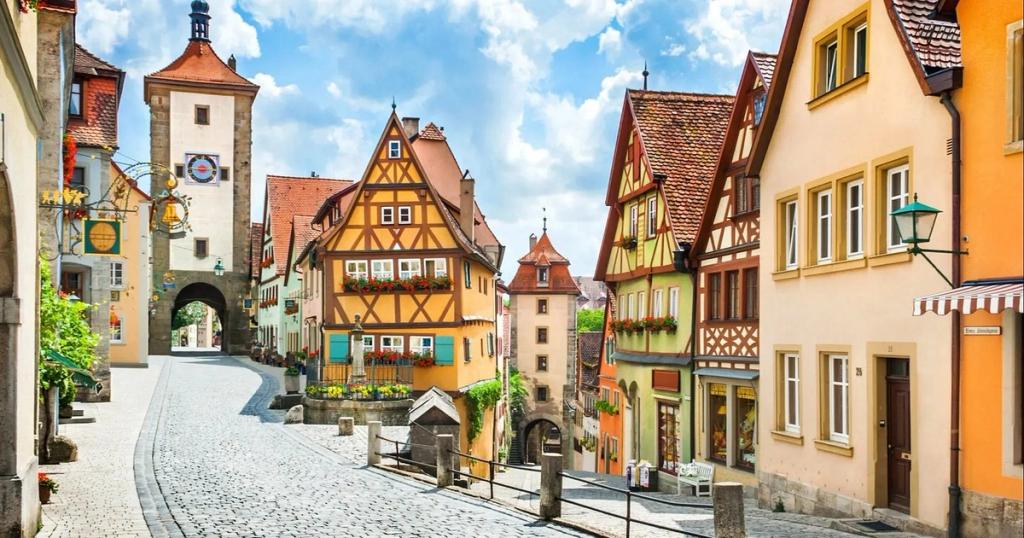
A viral Zhihu thread asked a blunt question: “The longer I stay in Germany, the more I look down on it. What mentality is that?” It struck a nerve. The post pulled hundreds of thousands of views and drew a flood of answers from Chinese living in Germany, former students, long term migrants, and armchair Europe watchers. Their complaints ranged from delayed trains and crumbling infrastructure to rising living costs, social fatigue, weak public services, and the sense that Europe no longer looks like the polished dream sold abroad. What emerged was not just anti Germany venting. It was something bigger: a visible collapse of the old “developed-country halo” in the Chinese internet imagination.
When the Filter Breaks
One of the most repeated words in the thread wasqumei, or “disenchantment.” Before arriving, many Chinese expect Germany to be orderly, efficient, wealthy, rational, and quietly impressive. After living there, some say what they actually encounter is bureaucracy, slow appointments, delayed trains, expensive rent, weak digitalization, indifferent service, and a social atmosphere that can feel cold or tiring.
That gap between image and reality is the core story here. Germany may still be rich by global standards, but to many Chinese expats and students, it no longer feels aspirational in the way it once did. In the eyes of the commenters, the issue is not that Germany is poor or collapsing overnight. It is that the country often fails to deliver on the myth that originally attracted people.
Several respondents put it simply: this is what happens when the filter shatters. A place that looked almost sacred from afar becomes ordinary, frustrating, and in some respects, disappointing up close.
The Complaints Were Surprisingly Concrete
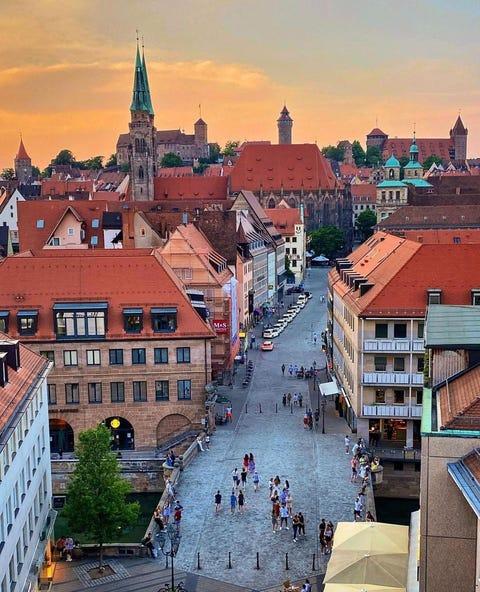
What made the thread notable was that it was not only abstract geopolitics or chest beating nationalism. A lot of the frustration was deeply practical. People complained about bridge repairs that take years, train delays that wreck daily routines, overcomplicated paperwork, housing pressure, and high costs for everyday life. One long term resident in Berlin, who said he had lived in Germany for 19 years, described his early admiration as having “shattered all over the floor.” He stayed for personal reasons, but warned others that if they could leave early, they probably should.
Other answers broadened the critique beyond Germany. Europe, in this telling, offers shorter working hours and stronger currencies, but less and less else that feels superior to today’s big Chinese cities. Some users argued that Chinese urban life now beats Europe on safety, convenience, low cost services, food delivery, transport options, and basic daily efficiency. Rightly or wrongly, that comparison came up again and again.
A few comments went even further, painting Europe as a place of protests, social disorder, migration tensions, and creeping decline. Those claims were often exaggerated and emotionally charged, but they reveal a real shift in mood. The old script where “Europe equals a higher quality life” no longer lands with many Chinese netizens the way it once did.
“What is fading is not only Germany’s image. It is the old Chinese assumption that life in Europe must automatically be better.”
Why Switzerland and Austria Still Feel Different
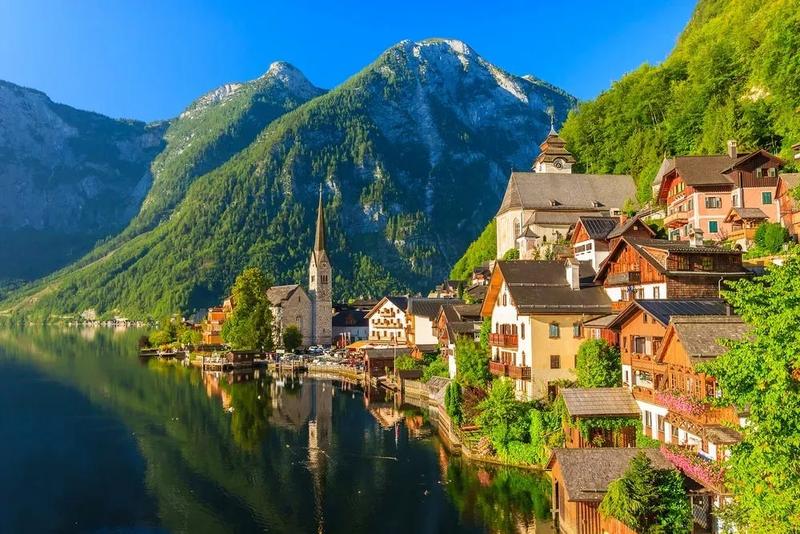
The original poster added an interesting twist: despite growing contempt for Germany, they still liked Switzerland and Austria. Commenters quickly pointed out the obvious possibility. Maybe that preference says less about those countries themselves and more about distance. It is easy to admire a place visited as a tourist, student, or weekend traveler. It is much harder to maintain the romance once you deal with local systems every day.
In other words, Germany may simply be suffering from overexposure. Switzerland and Austria still benefit from the “beautiful elsewhere” effect. Scenic streets, mountain views, cleaner public image, and shorter encounters allow people to preserve the fantasy. Live there long enough, many respondents implied, and the glow might fade too.
This Is Also About China
To understand the force of this discussion, you have to read it alongside China’s own self perception. Ten or fifteen years ago, many middle class Chinese still instinctively looked at Western Europe as the benchmark for modern life. In 2026, that benchmark feels much less secure. Chinese cities have become richer, faster, safer, and more technologically integrated. Delivery is instant. Mobile payments are universal. Transport is abundant. Consumer choice is huge. Daily life, especially for urban professionals, can feel astonishingly frictionless.
So when Chinese people move to Germany and find life slower, more bureaucratic, and less convenient, they no longer automatically frame that as “advanced.” More often, they frame it as backward, or at least as an unattractive tradeoff. That does not mean Germany has no strengths. It means China’s rise has changed the comparison point.
This is why these conversations feel sharper now. The disappointment is not only with Germany. It is also powered by a new confidence that China, especially urban China, has overtaken Europe in parts of everyday modernity that actually matter to ordinary people.
Online Exaggeration, Real Sentiment
Of course, some answers in the thread were clearly overstated. There were sweeping claims about social decay, security, consumer shortages, and Europe’s future that reflected internet anger more than balanced analysis. That is typical of viral Zhihu threads. People perform certainty online, especially when national comparison is involved.
But dismissing the whole conversation as nationalism would miss the point. Many of the frustrations are familiar to anyone who has spent real time in Germany: the bureaucracy, the service culture, the housing pressure, the infrastructure headaches, the slowness of systems that once carried a reputation for precision. Even the more measured answers in the thread agreed with the basic diagnosis. What people are experiencing is disenchantment, not madness.
One of the more thoughtful respondents said the feeling does not necessarily mean someone has fully rejected Germany. It may simply mean they have moved from idealized imagination to a more complete understanding of reality. That is probably the most useful reading of the entire debate.
The Bigger Shift
What makes this thread worth noticing is not whether every complaint is fair. It is the direction of the mood. For years, Chinese discourse about the West often mixed envy, fascination, and insecurity. Increasingly, that tone is being replaced by comparison, skepticism, and sometimes outright contempt. Germany, once one of the easier European countries for Chinese people to admire, is now frequently discussed as a place whose reputation exceeds its lived reality.
That does not mean Europe has no appeal left. It still offers beauty, welfare protections, labor rights, and forms of social stability that many people value. But the old aura is weaker. And once a country loses the aura of inevitability, every train delay, broken bridge, expensive grocery bill, and unpleasant office appointment suddenly feels symbolic of something much larger.
Curated and translated from Zhihu, China's largest Q&A platform. Read the original discussion →
Newsletter
Subscribe to The Expat Edit
Chinese perspectives on global events, wars, and great power competition. Curated from Zhihu.
Free. No spam. View on Substack →