
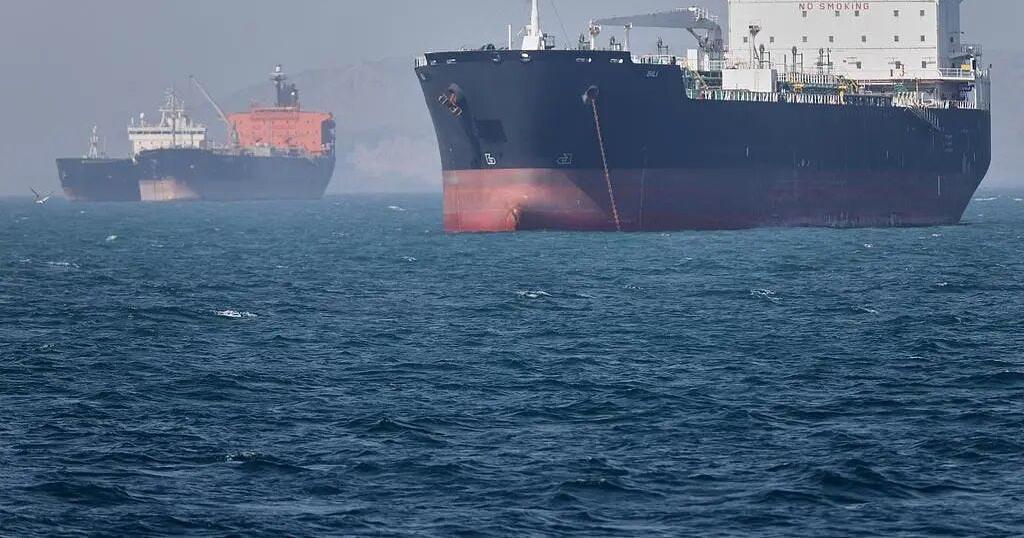
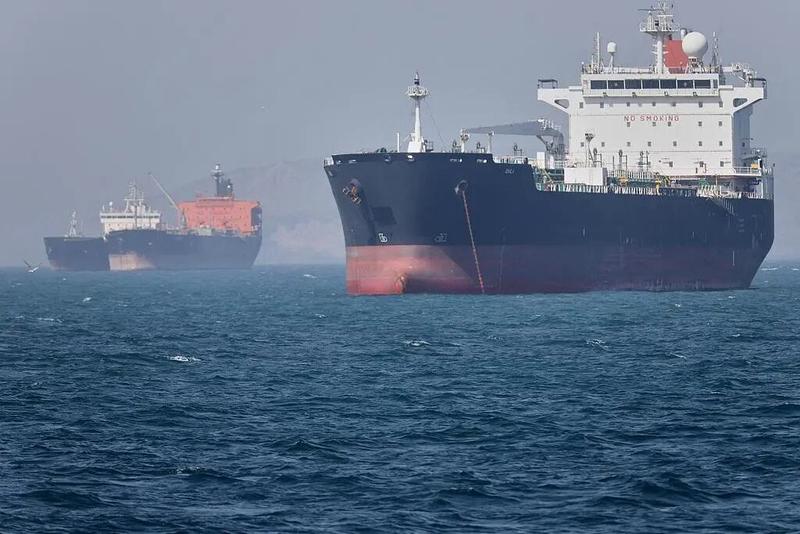
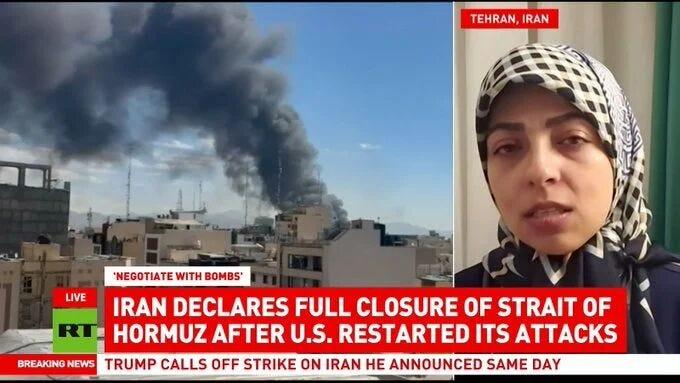
Iran says the Strait of Hormuz is now closed to all ships, including oil tankers and merchant vessels, and says two vessels trying to pass were struck. That is the kind of headline that instantly rattles markets, governments, shipping firms, and ordinary consumers far from the Gulf. But as always with Hormuz, the real story is not just whether a closure was announced. It is whether the closure can be enforced, how long it lasts, and how the United States, Gulf states, and global energy buyers respond.
Why Hormuz Matters So Much
Thanks for reading Silk & Steel! Subscribe for free to receive new posts and support my work.
The Strait of Hormuz is one of the most strategically important waterways on earth. A huge share of the world’s seaborne oil and a significant amount of liquefied natural gas pass through this narrow corridor between Iran and Oman. When Hormuz is threatened, the consequences go far beyond the Middle East. Insurance costs jump, shipping schedules break down, energy traders panic, and governments start calculating how long their reserves can last.
That is why every serious escalation around Hormuz is treated as more than a regional military story. It becomes an inflation story, a trade story, and a political story all at once. For countries that import large amounts of energy, even a short disruption can ripple through fuel prices, transport costs, factory input prices, and consumer sentiment.
What Iran Is Trying to Signal
Iran’s message appears to be both military and political. Militarily, it is showing that it can raise the cost of pressure campaigns against it. Politically, it is telling Washington and regional rivals that any attempt to isolate or strike Iran can come with a global price tag. Closing Hormuz, or even making it appear too dangerous for normal shipping, is one of Tehran’s most powerful pressure tools.
This is also why the language matters. Iran is not just threatening to harass individual ships. It is claiming the authority to deny passage altogether. Whether the rest of the world accepts that claim is another matter, but the announcement itself is meant to project control, resolve, and leverage at a moment of maximum tension.
The Information War Is Already in Full Swing
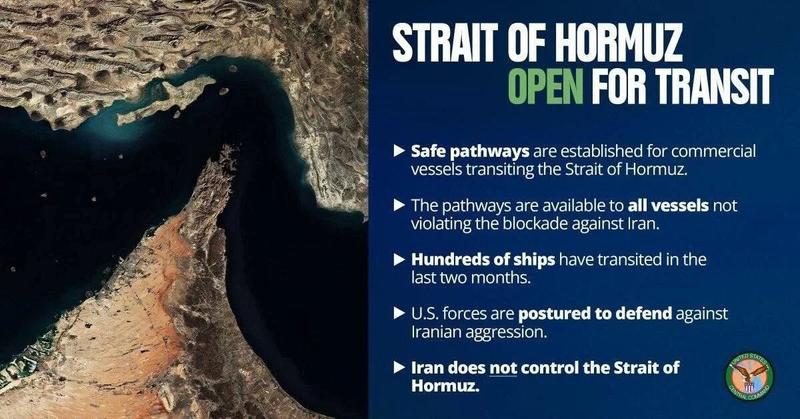
One of the most striking things about this crisis is that the physical confrontation is happening alongside a fierce battle over narrative. Iran says the strait is closed. The United States says it remains navigable. Iran says unauthorized ships were hit. Washington signals that commercial traffic can still be protected. Both sides are trying to shape perception before facts on the water are fully clear.
That matters because shipping companies, insurers, commodity traders, and governments do not make decisions based only on legal theory. They respond to perceived risk. If enough captains, charterers, and insurers believe passage is unsafe, then a de facto closure can begin even if some military spokesman keeps insisting the sea lane is technically open.
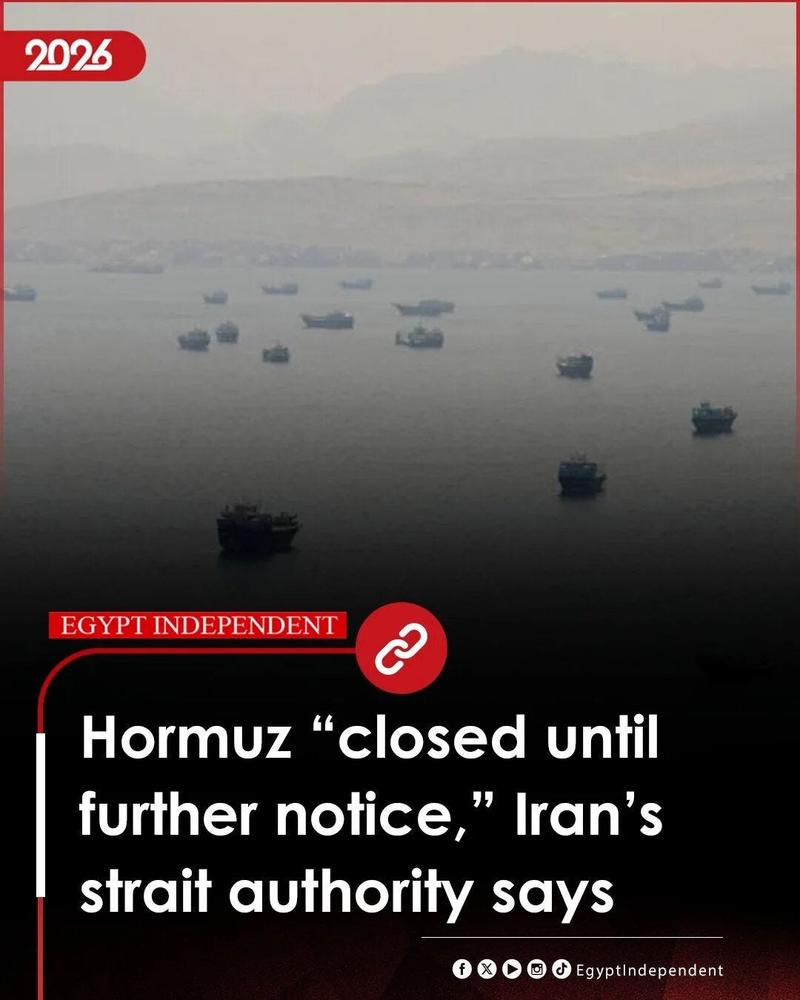
“In chokepoint politics, perception can move markets almost as fast as missiles.”
Can Iran Really Shut It Down?
The short answer is yes, but only in a qualified sense. Iran may not be able to permanently own or legally control the strait in the face of overwhelming outside pressure, but it does not need perfect control to create a major global problem. Mines, missiles, drones, fast attack craft, and selective strikes on shipping can make transit dangerous enough to disrupt normal commerce. In that sense, Iran does not need total victory. It only needs to create enough uncertainty.
The harder question is whether Tehran can sustain such a move without inviting a much larger military response. A prolonged closure would hit not just U.S. interests but also Gulf Arab exporters, Asian energy importers, and global shipping networks. That means pressure on Iran would likely build quickly, even from countries that do not want a wider war.
Why This Could Hit the Global Economy Fast
If Hormuz remains dangerous for more than a brief period, the first effects are likely to be visible in energy markets. Oil prices can jump on fear alone, but a genuine disruption would also hit physical supply chains. That would feed into transport and manufacturing costs, and eventually consumer inflation. The timing is especially awkward for governments already struggling with sticky prices, fragile growth, and voter fatigue.
The United States is particularly sensitive here. Higher oil prices can complicate monetary policy, undermine confidence, and create political headaches. Several of the Chinese online reactions to this news focused less on naval maneuvering and more on what it could do to U.S. inflation. That may sound cynical, but it reflects a real point. Hormuz is not just a battlefield. It is an inflation switch.

What Chinese Netizens Are Focusing On
The Zhihu discussion around this story is revealing. A lot of users are treating the closure less as a one day military drama and more as a sign of a wider strategic shift. Some argue that Iran is no longer merely threatening the strait but trying to “manage” it. Others see the clash as part of a bigger chain reaction tied to U.S. pressure, Israeli military actions, Gulf security, and even the separate trajectory of the Russia Ukraine war.
Another common theme is distrust of official messaging, especially from Washington. Several highly upvoted comments argue that market narratives are being manipulated, that negotiations are repeatedly announced and then sabotaged, and that traders should watch what Iran actually does rather than what American officials say. Whether one agrees or not, that skepticism is now part of the political atmosphere around the crisis.
The Trump Factor: Confusing, Contradictory, and Very Consequential
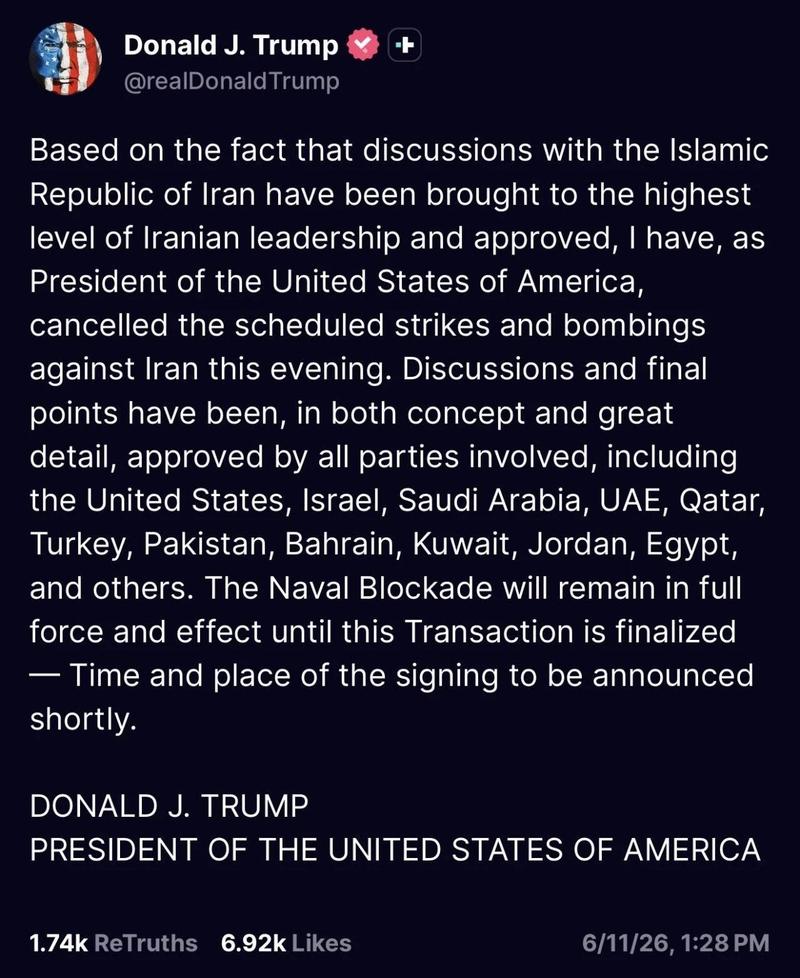
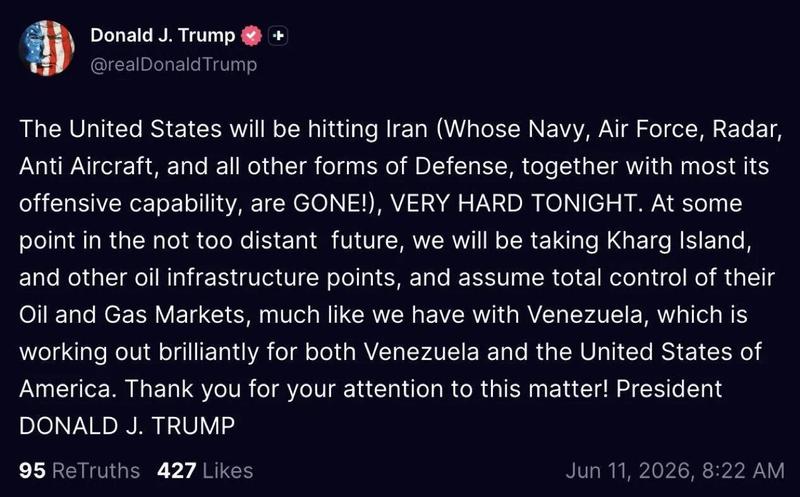
President Trump’s messaging has added another layer of uncertainty. On one hand, he has posted about canceling strikes and suggested that discussions have reached a high level. On the other, he has also threatened overwhelming attacks and talked openly about taking control of Iranian oil infrastructure. Those are not small rhetorical differences. They point to a policy that looks either highly flexible or highly inconsistent, depending on your perspective.
For markets and allies, this matters because uncertainty about American intentions can be almost as destabilizing as Iranian threats. If partners do not know whether Washington wants de escalation, coercive bargaining, or a deeper regional confrontation, they will hedge. That could mean buying more energy elsewhere, building more strategic reserves, or quietly preparing for a world in which Hormuz is no longer reliably safe.
The Bigger Strategic Question
Beyond the immediate crisis, a bigger question is now hanging in the air: even if shipping eventually resumes, can the world still treat Hormuz as reliably secure? That may be the most important long term effect of this episode. Once buyers, refiners, insurers, and governments start imagining a future of repeated disruptions, they begin looking for alternatives. Those alternatives may be expensive, messy, and incomplete, but once the diversification process starts, it tends not to reverse fully.
That means this crisis could accelerate shifts in global energy planning. Countries may seek more non Gulf supply, more reserve capacity, more domestic substitutes, and more flexible transport arrangements. In other words, even a temporary closure can leave a permanent strategic scar.
So How Should This Be Read Right Now?
The most balanced reading is this: Iran’s move is serious, but the final impact depends less on the announcement itself than on what happens over the next several days. Watch the shipping data. Watch insurance premiums. Watch whether major energy buyers delay cargoes. Watch whether the U.S. escorts vessels through anyway. And watch whether the two sides keep speaking in contradictory tones while edging toward a bigger clash.
For now, the closure should not be dismissed as pure theater. But neither should it be treated as proof that a permanent new order has already arrived. What we are seeing is a dangerous test of leverage, credibility, and endurance. If it lasts, the whole world pays attention. If it spreads, the whole world pays.
Thanks for reading Silk & Steel! Subscribe for free to receive new posts and support my work.
Curated and translated from Zhihu, China's largest Q&A platform.
Newsletter
Subscribe to The Expat Edit
Chinese perspectives on global events, wars, and great power competition. Curated from Zhihu.
Free. No spam. View on Substack →