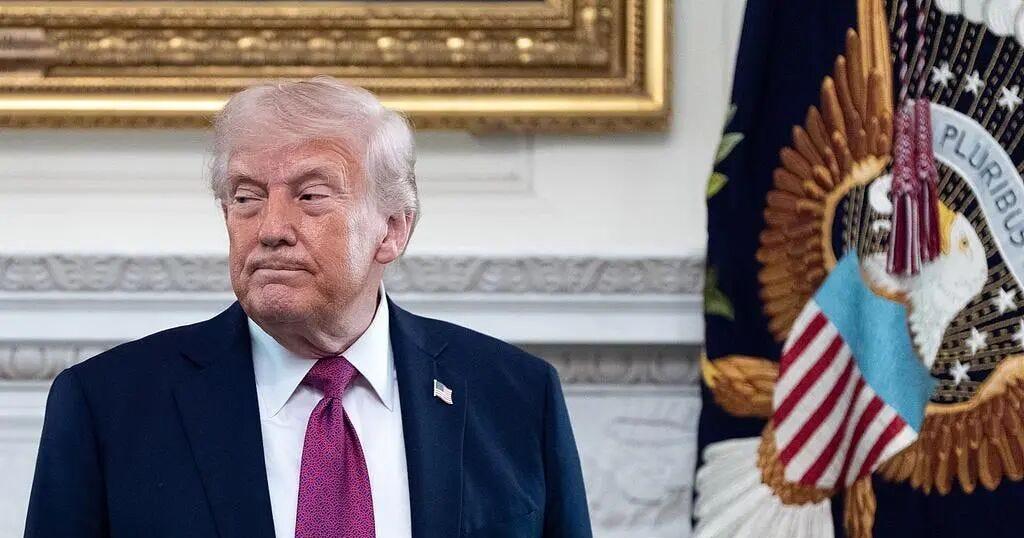
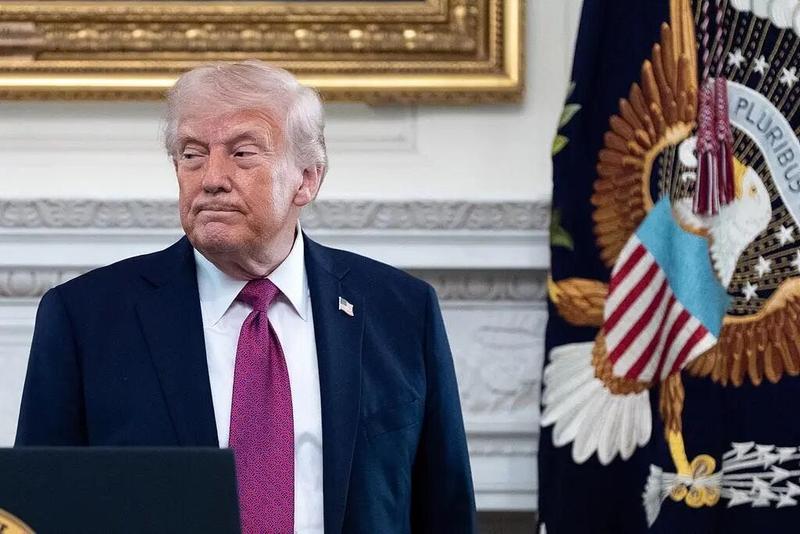
On paper, Washington still looks like the stronger side. It has the bigger military, broader sanctions power, and the ability to escalate quickly. But the past few days have exposed something more awkward. The US may still be stronger overall, yet Iran appears to have found the one pressure point America really does not want touched: oil, markets, and domestic politics. That is why Trump could spend part of April 21 saying time was running out, only to reverse course and extend the ceasefire before the day was over.
The immediate trigger was diplomacy, at least officially. Trump said the extension came after a request from Pakistan, which has been trying to mediate another round of talks. But the timing told a bigger story. Vice President JD Vance, who was widely rumored to be heading to Islamabad, never actually left. The White House first hinted movement, then pulled back. Iran also did not commit to showing up. In other words, the ceasefire was extended not because the road to peace was suddenly clear, but because the alternative looked too expensive and too unpredictable.
A Ceasefire That Did Not Actually Calm Anything
What made the extension look hollow was that the US did not remove the core pressure. Washington kept the naval blockade around Iranian ports and coastline in place. Iranian officials immediately said that this made the extension meaningless. From Tehran’s point of view, a ceasefire without easing the blockade is not real de-escalation. It is just pressure with better branding.
The same day, the pressure campaign continued in other ways too. Reports said US forces boarded a sanctioned tanker allegedly tied to Iranian oil smuggling. The Treasury Department rolled out fresh sanctions linked to Iranian missile and drone procurement networks, as well as Mahan Air related entities and aircraft. So while Trump was publicly extending the pause, the machinery of coercion never really stopped moving.
Why Iran’s Strait Threat Matters So Much
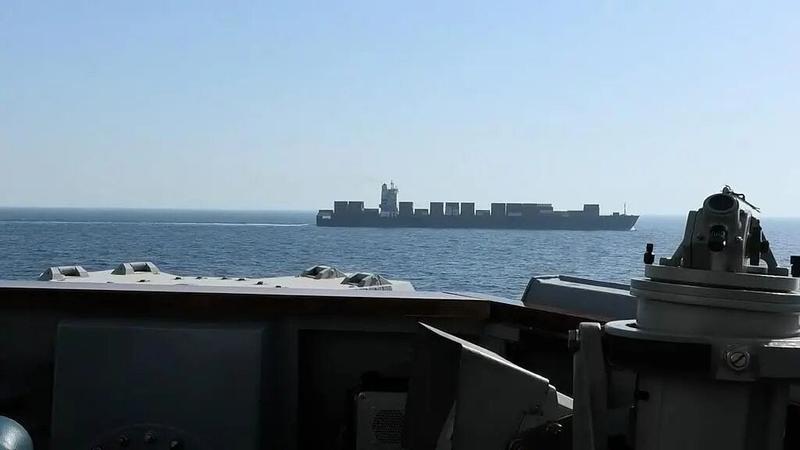
The reason this crisis has become so uncomfortable for Washington is simple. Iran may not be able to defeat the US militarily in a conventional war, but it does not need to. It only needs to keep the Strait of Hormuz unstable enough to frighten traders, insurers, energy markets, and American voters. Roughly one fifth of the world’s oil moves through that chokepoint. Even partial disruption sends a message immediately.
That message is not really aimed at the Pentagon. It is aimed at Wall Street, US consumers, and the White House political team. If oil spikes, inflation fears return. If inflation fears return, markets wobble. If markets wobble, any president heading into an election cycle suddenly has a much narrower menu of choices. This is why many Chinese commentators are saying Iran has “grabbed the lifeline” that matters most. Not America’s military pride, but America’s tolerance for economic pain.
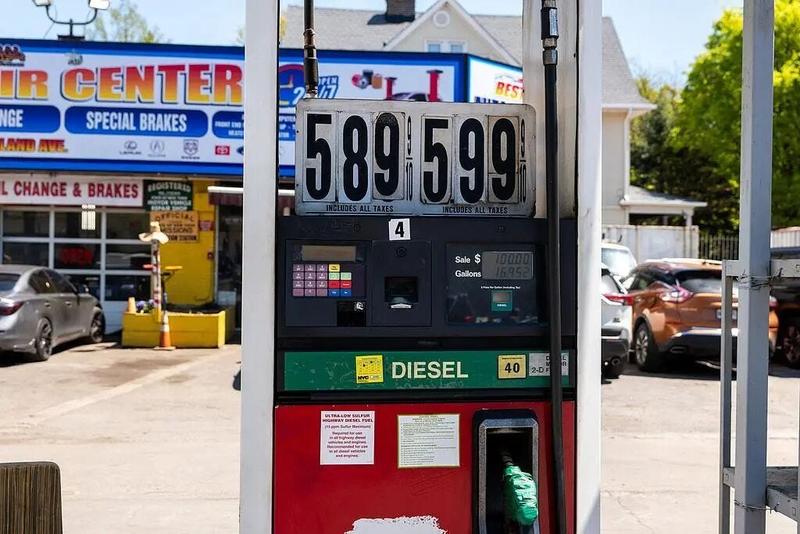
“Iran does not need to win a total war. It only needs to make the cost of escalation feel unbearable.”
The 53rd Day Problem
By April 21, the crisis had entered its 53rd day. That matters because long conflicts expose a different kind of weakness. In the early days, governments can project confidence, wave military options around, and rely on patriotic momentum. By week seven, the tone changes. Investors start looking at shipping routes and commodity prices. Pollsters start measuring war fatigue. Politicians start calculating what an extra month of instability might do to approval ratings.
Reuters polling published that day suggested support inside the US for military action against Iran was limited, with only 36 percent backing strikes and just 26 percent saying the operation was worth the cost. At the same time, uncertainty over whether the ceasefire would hold helped push stocks lower and oil higher. Brent crude reportedly climbed back to $98.48 a barrel, up 3.1 percent on the day. That is exactly the kind of move that turns a foreign policy crisis into a kitchen table issue.
What Iran May Have Done Right
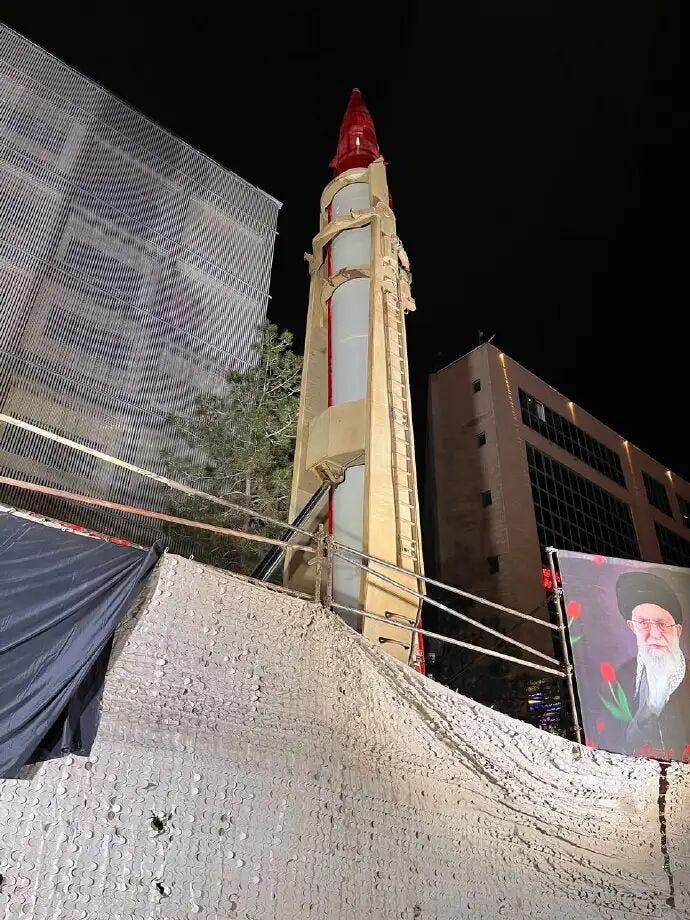
Some of the most widely shared Chinese analysis this week argues that Iran’s real success was not military brilliance in the dramatic Hollywood sense. It was strategic discipline. Tehran did not assume it could overpower the US. Instead, it focused on surviving, preserving enough missile and drone capability to keep deterrence alive, and making sure that any renewed American offensive would come with major financial blowback.
Another part of that argument is political rather than military. Iran seems to have concluded that Trump’s biggest vulnerability is not the battlefield. It is his need to avoid a market panic before elections. That changes the entire shape of the game. If Washington escalates too hard, it risks an oil shock. If it backs down too visibly, it looks weak. If it tries to split the difference, it gets the worst of both worlds: no decisive victory, but continued exposure to rising costs.
That is why the White House’s back and forth messaging looked so messy. The US still wants to sound dominant. It still wants to keep military threats credible. But it also seems eager to hold open a negotiating window, however fragile. That is not the posture of a side eager for a clean second round of escalation.
The Nuclear Shadow in the Background
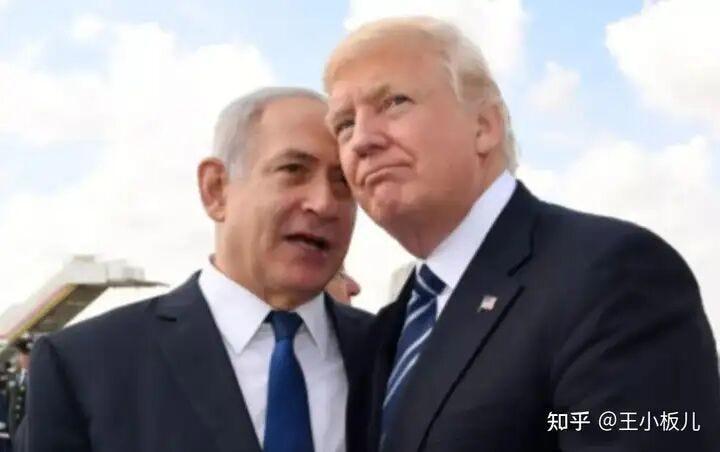
Lurking behind all of this is the issue that has haunted US-Iran relations for decades: Tehran’s nuclear program. One of the more interesting ideas circulating in Chinese commentary is that Iran may have benefited from staying just short of the finish line. Not openly building a bomb, but keeping enough technical capability to make adversaries nervous. In that reading, Iran’s “nuclear threshold” status has acted less like a final destination and more like a bargaining chip that can be reused again and again.
The logic is brutal but clear. If Iran fully crosses the line, it risks becoming an even bigger international target. If it stays near the line, it preserves ambiguity. That ambiguity can deter pressure, split outside powers, and make military planners think twice. It is a dangerous game, but it also helps explain why the issue never seems fully resolved. Tehran may calculate that a permanent state of near-capability is strategically more useful than an irreversible breakout.
And Then There Is the Optics
Beyond all the military and economic analysis, this episode also turned into an optics disaster for Washington. A superpower is supposed to look composed, deliberate, and fully in command. Instead, the past 48 hours produced the opposite image: threats in the morning, extensions by evening, uncertain travel plans, and a mediation track that might or might not exist. Even if there is a strategic rationale behind the choreography, it does not look like control.
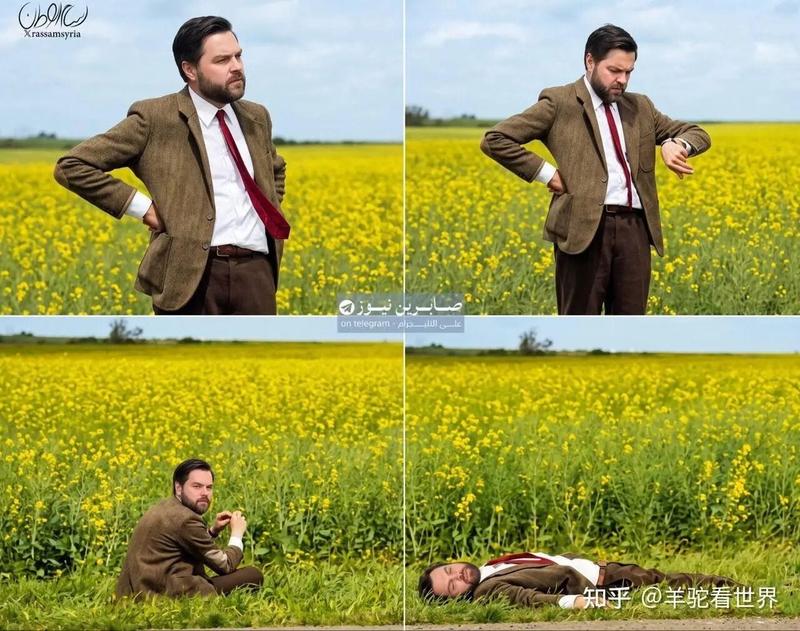
Chinese social media quickly pounced on this. Memes about Vance waiting around for talks that may never happen spread fast, as did more serious commentary arguing that America has now revealed the limits of its willingness to absorb pain. That may be unfair in some respects, but perception matters. In geopolitics, once allies and adversaries start wondering whether the strongest player is still willing to pay the price of dominance, the whole regional balance begins to shift.
So who has really grabbed whose weak point? The honest answer is: both sides have found one. The US can still squeeze Iran militarily and financially. Iran can still squeeze the world through energy risk and squeeze Trump through domestic politics. What makes this standoff so dangerous is that neither side has found a cheap way out.
That is why the ceasefire extension matters. It is not proof that peace is near. It is proof that escalation is harder than the rhetoric suggests. Iran’s biggest achievement may simply be this: it has convinced Washington that “winning” could cost more than the White House is willing to pay right now.
Curated and translated from Zhihu, China's largest Q&A platform.
Newsletter
Subscribe to The Expat Edit
Chinese perspectives on global events, wars, and great power competition. Curated from Zhihu.
Free. No spam. View on Substack →