
Spend enough time scrolling global home decor feeds and one contrast jumps out fast. European and North American homes often glow in soft amber tones, while many Chinese homes still lean bright, cool, and very white. On the surface it looks like a simple taste difference. In reality, it is a story about history, electricity, class, memory, climate, and what each society learned to associate with the idea of a “modern home.”
The Short Answer: People Love the Light They Grew Up With
The most convincing explanation from a recent Zhihu thread is surprisingly simple. A society’s first collective memory of modern home lighting tends to stick. For much of the West, that memory was warm incandescent light. For China, it was bright fluorescent light.
That difference matters more than people think. If your idea of family evenings, dinner, reading, chatting, and resting was formed under warm bulbs, then warm light feels natural, cozy, and emotionally correct. If your idea of entering modern life was a white fluorescent tube on the ceiling, then white light feels newer, cleaner, brighter, and more practical.
Why Warm Light Never Became “Home” in the Chinese Imagination
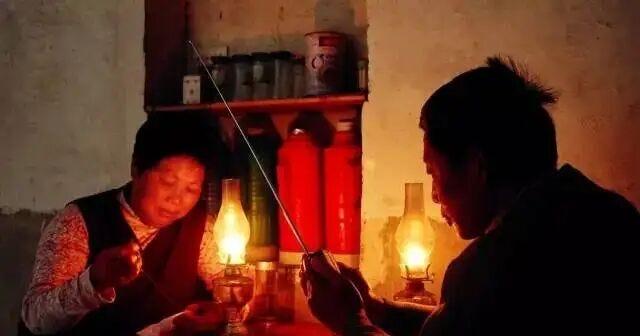
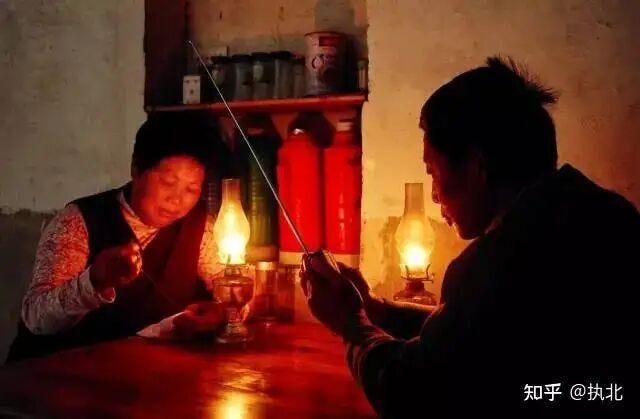
In the early decades of the PRC, many households were not debating color temperature. They were trying to solve a more basic problem: having stable lighting at all. For a long stretch, candles and kerosene lamps were common, especially outside major cities. They were dim, yellow, smoky, unstable, and associated with shortage rather than comfort.
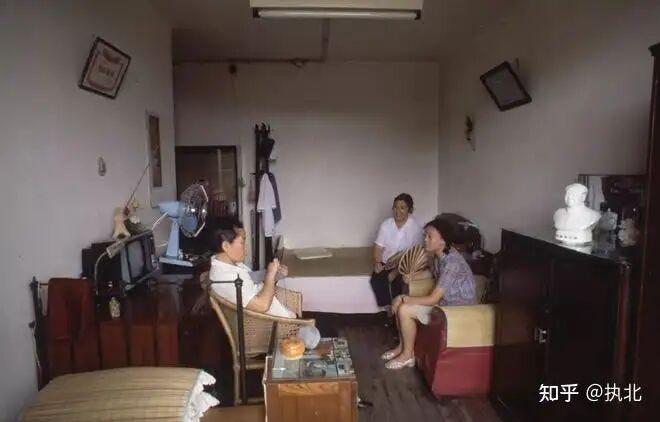
Even when incandescent bulbs became more common in cities, they did not dominate Chinese domestic life in the same deep, century-long way they did in the West. Electricity supply was tighter, household conditions were more limited, and one room often meant one bulb. So warm yellow light did not build a glamorous emotional halo around itself. For many people, it came to mean old, dark, uneven, and power-hungry.
Then came the real winner: fluorescent lighting. It was brighter, whiter, longer-lasting, and more energy efficient. In a country racing toward modernization while also worrying about energy use, that package was hard to beat. For millions who grew up in the 1980s and 1990s, modern domestic light was not a cozy amber table lamp. It was the white tube overhead.
In China, “white and bright” came to mean modern. “Yellow” often meant the past.
Why the West Stayed Loyal to Warm Light
Europe and North America had a different lighting history. Before electricity, they also lived through candlelight and oil lamps, but many cities also passed through a long era of gas lighting. Then from the late nineteenth century well into the twentieth, incandescent bulbs became the default household light source for generations.
In the United States, incandescent bulbs effectively shaped domestic nighttime life for about a century. That long stretch is crucial. People ate dinner under that light, read newspapers under that light, relaxed with family under that light, celebrated holidays under that light, and raised children under that light. The emotional meaning of “home” was slowly built inside a warm, dimmable, slightly shadowed environment.
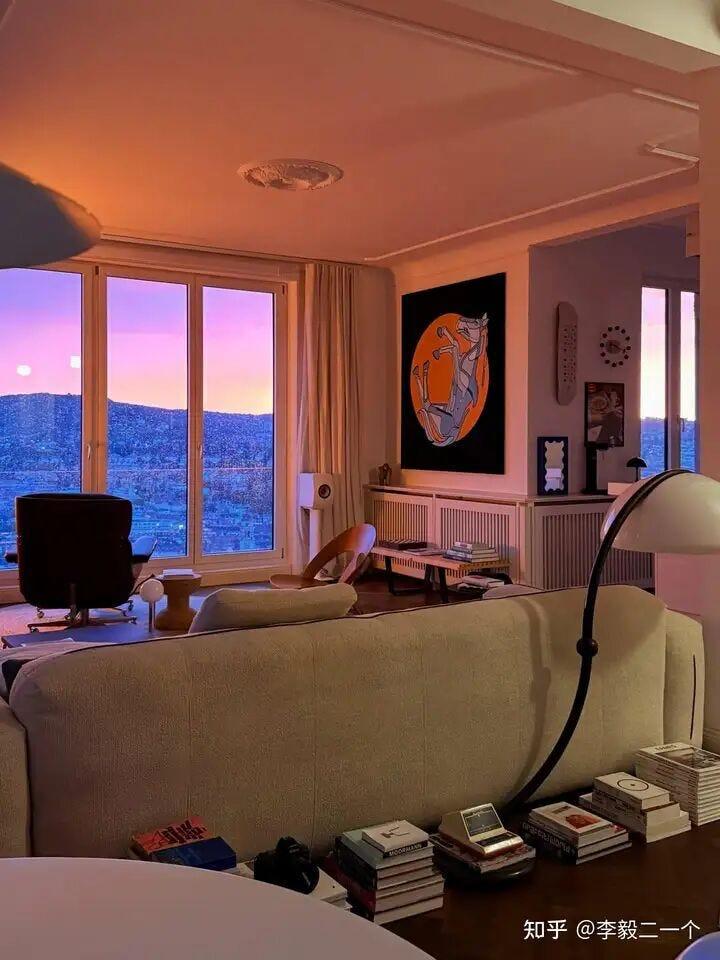
So when newer technologies arrived, many Western consumers did not want a totally different feeling. They wanted efficiency without losing the familiar look of home. That is why LED adoption in the West often focused on preserving the incandescent mood rather than replacing it with something stark and white.
Climate Also Plays a Role
Several Zhihu users also made a climate argument, and it is worth taking seriously. Many parts of Europe and North America sit at higher latitudes, with longer winters, shorter daylight hours, and colder seasonal moods. Warm light psychologically imitates sunset, firelight, and warmth. It can make interiors feel more protective and less emotionally barren.
Much of China, along with Japan and Korea, developed under a different climate experience. In many regions, heat and humidity are more pressing than darkness and cold. Cool white light can feel sharper, cleaner, and visually cooler. It helps create the impression of freshness. Even if the temperature in the room does not change, the brain reads the space differently.
Decor Style and Lighting Reinforce Each Other
The story does not stop at bulbs. Lighting preference and interior design evolve together. Western homes often feature wood floors, warm-toned furniture, textured fabrics, cream walls, and layered lamps. Warm light flatters those materials beautifully. It enriches wood grain, softens corners, and turns restraint into intimacy.
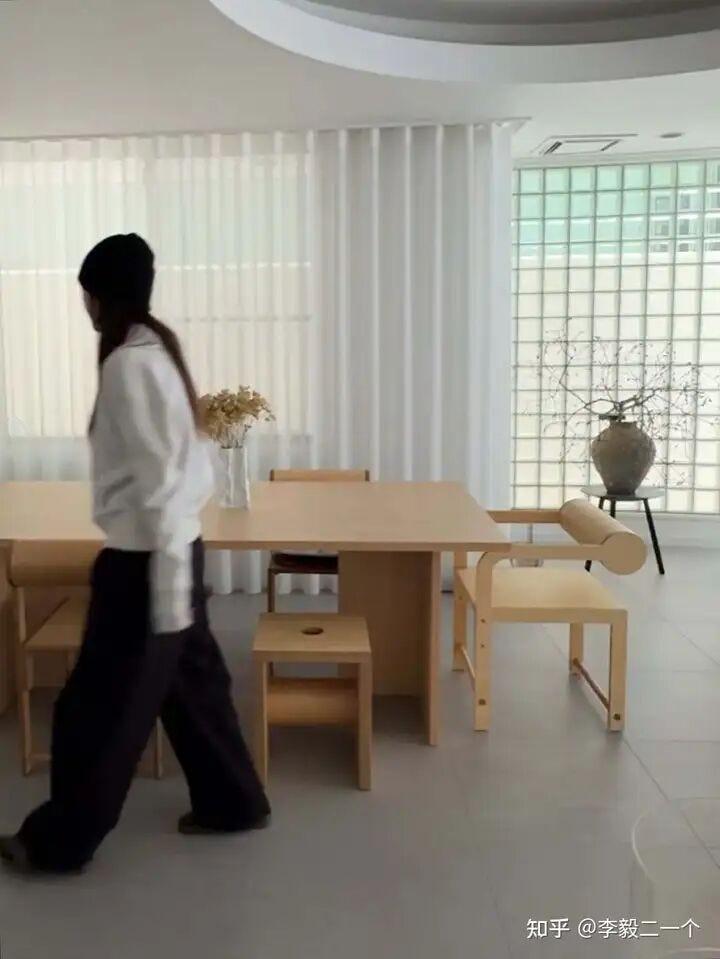
Chinese urban interiors for years leaned toward big white walls, cool grays, glossy finishes, and a “bright equals clean” visual logic. Under those conditions, cool white lighting made practical and aesthetic sense. It made apartments feel bigger, neater, and more “updated.” Warm light in such spaces could make white walls look yellowish and make the room feel older than intended.
So the cycle became self-reinforcing. Cool light supported cool interiors, and cool interiors made cool light feel correct. Warm light supported warm interiors, and warm interiors made warm light feel natural.
Even “Warm” and “Cool” Are Culturally Relative
One of the most interesting details from the discussion is how different markets label the same color temperature. In the United States, 4000K is often categorized as cool white. In China’s home renovation market, 4000K is frequently sold as warm white. Same number, opposite emotional framing.
That tells you this is not just physics. It is culture. People are not reacting to Kelvin values in a vacuum. They are reacting to years of habit, expectation, memory, and what kind of room they think they are supposed to be living in.
Lighting is never just about seeing clearly. It is about what a society thinks comfort is supposed to look like.
There Is Also a Chinese Family Logic Behind Bright White Light
Another answer in the thread made a practical point that feels especially true in China. Many homes have historically had to do many things at once. A living room might double as study zone, dining space, workspace, and family gathering area. In that context, broad, bright, uniform ceiling light is not just aesthetic. It is efficient.
Parents want children to do homework clearly. Adults may still be working at the dining table. Grandparents want enough light to move around safely and handle chores. A single bright overhead fixture can satisfy everyone quickly, even if it does not produce the layered mood lighting that Instagram loves.
This is also why some younger Chinese homeowners now compromise rather than choose one camp completely. Warm light goes into bedrooms and living areas for relaxation, while brighter neutral or cool light stays in dining spaces, kitchens, desks, and reading corners.

So Is China Changing?
Yes, slowly. As Chinese homeowners become more design-conscious, lighting is increasingly treated as part of the emotional architecture of a home, not just a utility. Social media, boutique hotels, overseas travel, and better LED options have all helped people see that “bright enough” and “comfortable” do not always mean the same thing.
At the same time, China is not simply becoming Western in taste. What is happening is more interesting than that. A hybrid style is emerging. Younger people may want warm ambient lighting in the evening, but they still often keep stronger task lighting where real life demands it. They want atmosphere, but they also want function.
In other words, the old binary is softening. The future Chinese home may not be a cold white box, but it also may not be a dim amber cocoon. It may be something more flexible, shaped by both memory and aspiration.
The Bigger Point
If you have ever wondered why Chinese relatives walk into a softly lit apartment and say “too dark,” while foreigners walk into a bright white room and say “too harsh,” this is why. They are not just reacting to a bulb. They are reacting to decades of social experience.
Warm light in the West carries the emotional prestige of tradition. Cool white in China carries the emotional prestige of modernity. Both preferences make sense once you understand the history behind them.Source: Zhihu Social Commentary
Curated and translated from Zhihu, China's largest Q&A platform. Read the original discussion →
Newsletter
Subscribe to The Expat Edit
Chinese perspectives on global events, wars, and great power competition. Curated from Zhihu.
Free. No spam. View on Substack →